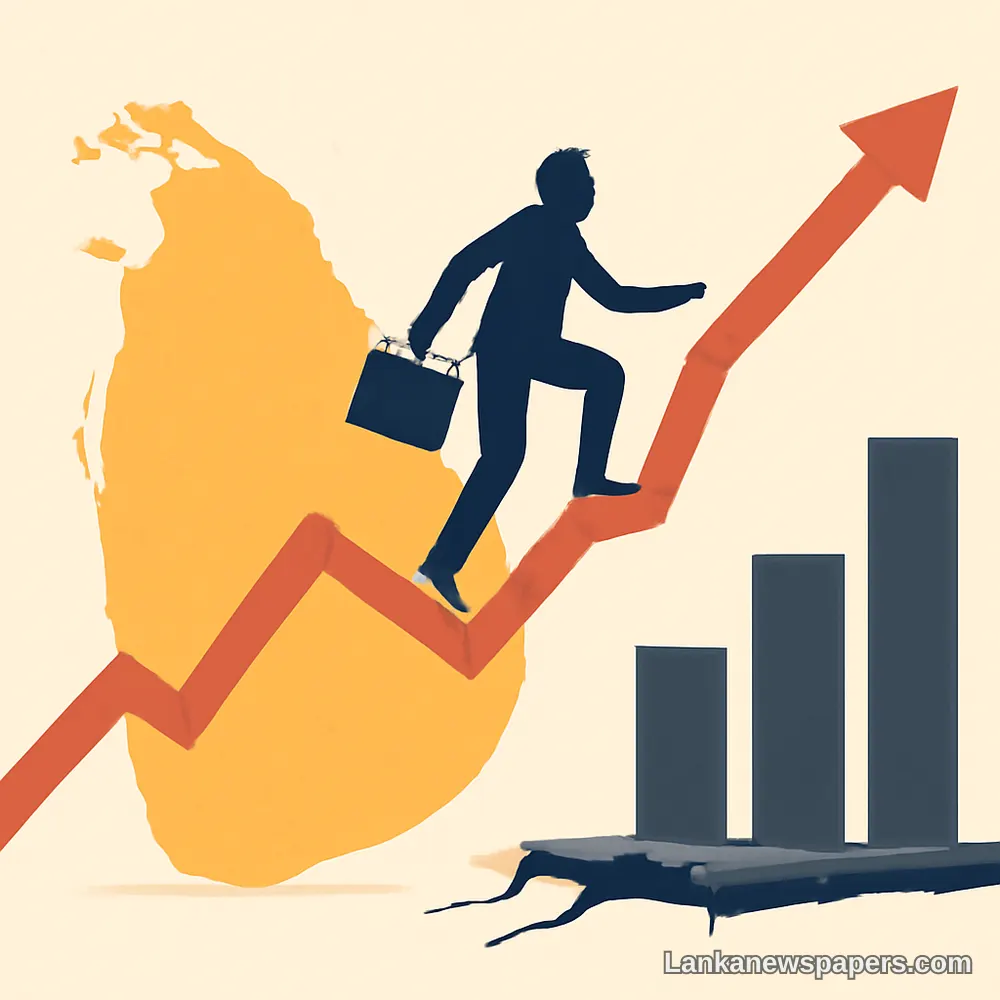
Sri Lanka has, by many visible measures, stepped back from the edge of the abyss. The fuel queues that once stretched for kilometres are gone. Supermarket shelves are stocked. The rolling blackouts that plunged households into hours of daily darkness have largely subsided. For a country that just a few years ago was gripped by its worst economic catastrophe since independence, the relative calm of today can feel almost miraculous.
But beneath the surface calm, a deeper and more uncomfortable question lingers: has Sri Lanka truly survived its crisis, or has it merely postponed the reckoning?
The Metrics of Recovery
On paper, there are genuine reasons for cautious optimism. Inflation, which once soared past 70 percent, has been brought down to manageable levels. Foreign exchange reserves, which had fallen to critically low levels, have been gradually rebuilt. The International Monetary Fund's bailout programme has provided a structured lifeline, and the government has largely adhered to the conditions attached to it.
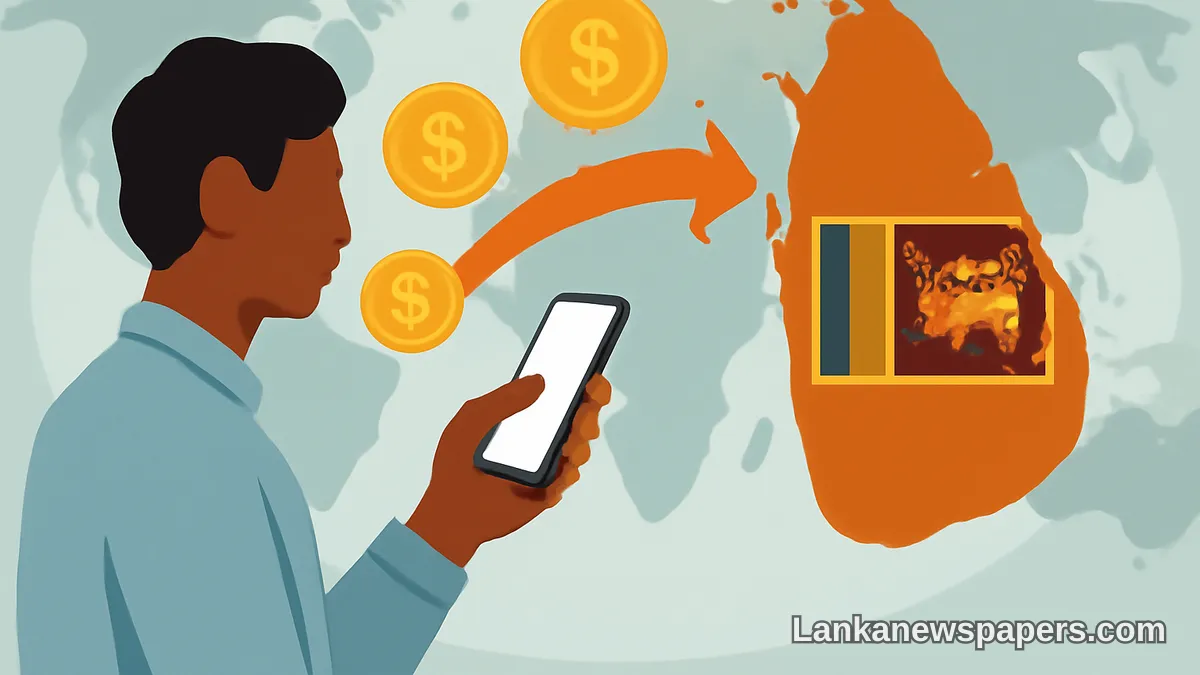
Tourism is showing signs of revival, remittances from the Sri Lankan diaspora continue to flow in, and investor confidence, while still fragile, has shown early stirrings of a return. These are not insignificant achievements for a nation that was, not long ago, unable to pay for fuel imports or essential medicines.
The Weight Still Carried
Yet the recovery is far from complete, and for millions of ordinary Sri Lankans, the crisis is not a chapter that has been closed — it is one they are still living through. The cost of living remains punishingly high. Poverty levels have risen sharply over the past two years, and a significant portion of the population continues to struggle with food security, healthcare access, and the rising cost of education.
The tax increases introduced as part of the IMF programme have placed a heavy burden on the middle class and the working poor, while public services remain stretched and underfunded. Many skilled professionals — doctors, engineers, IT specialists — have emigrated in search of better opportunities, leaving behind a brain drain that will take years, if not decades, to reverse.
Debt Restructuring: A Deal, But Not a Solution
Sri Lanka's debt restructuring process has moved forward, with agreements reached with key creditor groups. This has been celebrated as a milestone, and rightly so. However, restructuring does not erase debt — it rearranges it. The country still carries an enormous debt burden that will constrain public spending and economic flexibility for the foreseeable future.
Economists and development experts warn that without deeper structural reforms — reducing state enterprise losses, broadening the tax base fairly, and building more resilient economic foundations — Sri Lanka risks returning to the cycle of borrowing and crisis that brought it to its knees in the first place.
Political Will and Public Trust
Perhaps the most critical variable in Sri Lanka's recovery story is political. The economic crisis of 2022 was not simply a product of external shocks — it was also the result of decades of fiscal mismanagement, policy missteps, and a political culture that prioritised short-term populism over long-term stability.
Whether successive governments will maintain the discipline and transparency required for genuine, lasting recovery — or whether political pressures will tempt a return to old habits — remains an open and urgent question. Public trust in institutions has been severely damaged, and rebuilding it will require more than economic statistics.
A Nation at a Crossroads
Sri Lanka's story over the past few years has been one of remarkable resilience. Its people endured extraordinary hardship with a fortitude that drew international attention and admiration. The worst of the acute crisis has, for now, passed.
But survival is not the same as recovery, and recovery is not the same as transformation. For Sri Lanka to truly emerge from its crisis — not just weather it — the country will need sustained reform, accountable governance, and an honest national conversation about the structural changes required to build an economy that works for all its people, not just its most privileged.
The road ahead is long. The question is whether Sri Lanka has the collective will to walk it.
💬 Join the Discussion 4
See what readers are saying — and add your view.
genuine question, is the debt actually being paid or just restructured?
goverment will claim victory before election, same old story
fragile triumph they say, my salary still cant cover groceries lah
exactly, who is triumphing? not us ppl on the ground