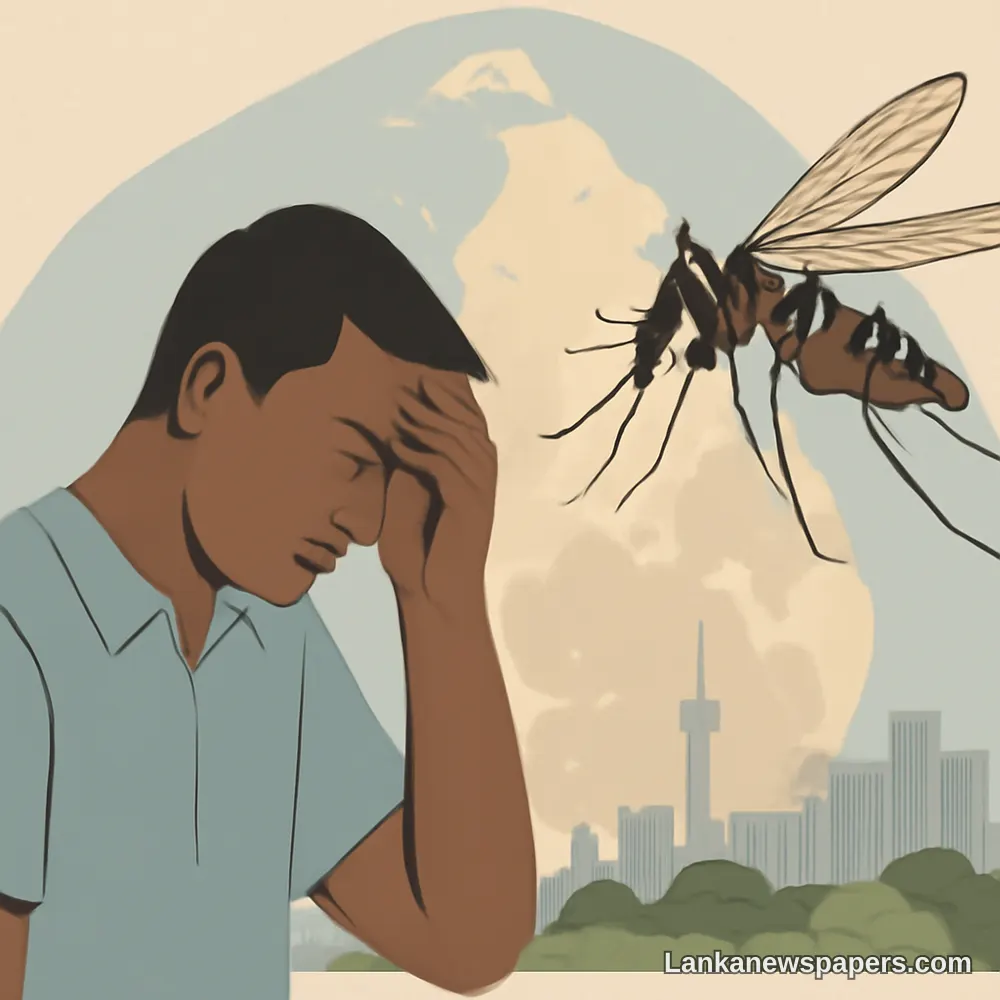
Sri Lanka is grappling with a worsening dengue situation this year, with the total number of recorded cases climbing to 68,672 in 2026, according to the latest available data. The figures signal a significant public health challenge for the island nation as health authorities work to contain the spread of the mosquito-borne disease.
A Growing Public Health Concern
Dengue fever, transmitted primarily through the bite of the Aedes aegypti mosquito, continues to pose a serious threat to communities across Sri Lanka. The disease tends to proliferate during periods of high rainfall, when stagnant water provides ideal breeding grounds for mosquitoes.
The rising case numbers have placed considerable pressure on the country's healthcare system, with hospitals and medical facilities in affected regions managing an increasing patient load.
What the Public Should Know
Health officials have consistently urged the public to take preventive action to reduce the risk of dengue transmission. Key measures recommended by authorities include:
- Eliminating standing water around homes and workplaces
- Using mosquito repellents and protective clothing
- Ensuring proper disposal of water-collecting containers such as tyres and pots
- Seeking immediate medical attention upon experiencing symptoms such as high fever, severe headache, and joint pain
Authorities Urged to Act
Public health experts have called on local government bodies and the Ministry of Health to intensify vector control operations, particularly in high-density urban areas and regions historically prone to dengue outbreaks. Community-level awareness campaigns have also been identified as a critical component of any effective response strategy.
As the case count continues to rise, Sri Lankans are being urged to remain vigilant and take personal responsibility in eliminating mosquito breeding sites within their immediate environments.



💬 Join the Discussion 0
Be the first to share your view on this story.