A landmark policy move targeting exploitative labour practices in global supply chains
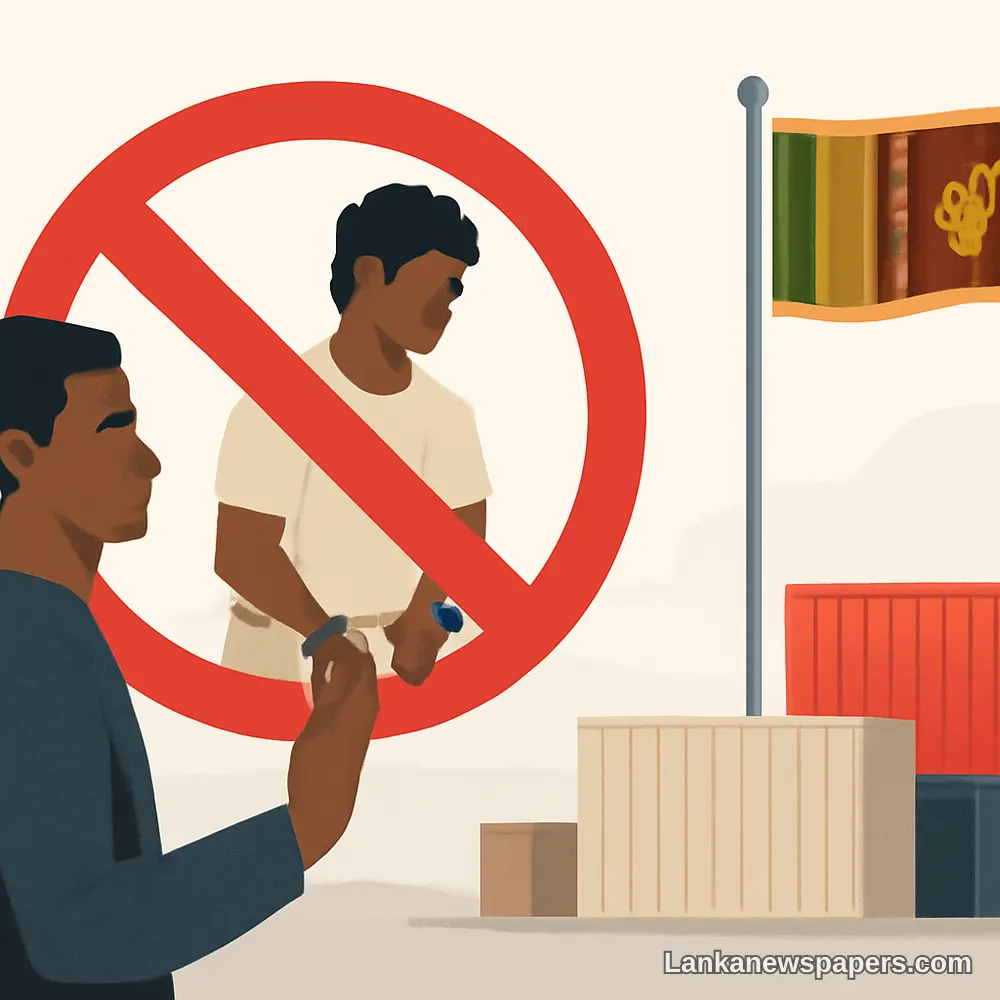
Sri Lanka has introduced a ban on the importation of goods produced using forced labour, marking a significant step in the country's commitment to upholding human rights standards within its trade and commerce framework.
The move positions Sri Lanka among a growing number of nations taking active measures to ensure that products entering their markets are not the result of exploitative labour practices, including human trafficking, debt bondage, and other forms of modern slavery.
What the Ban Means
Under the new policy, goods identified as having been manufactured or produced through forced labour in any part of the world will be prohibited from entering Sri Lanka. The measure is intended to send a clear message that Sri Lanka will not be a destination market for products tainted by human rights abuses.
Forced labour remains a widespread global issue, with millions of workers across various industries — including agriculture, garment manufacturing, and fishing — subjected to coercive and exploitative conditions.
Significance for Sri Lanka
The decision carries particular weight for Sri Lanka, a country that has itself faced scrutiny over labour conditions in certain sectors. By introducing this import ban, authorities are signalling a broader commitment to ethical trade practices both domestically and internationally.
The policy also aligns Sri Lanka more closely with international human rights conventions and may strengthen the country's standing with trading partners and global institutions that prioritise ethical supply chain standards.
Broader Context
Several major economies, including the United States and members of the European Union, have implemented similar legislation in recent years, reflecting a global shift towards greater accountability in international supply chains.
Sri Lanka's move is expected to draw attention from both local importers and international trade partners, who will need to ensure greater transparency and due diligence regarding the origins of goods traded with the island nation.
Further details on enforcement mechanisms, regulatory oversight, and the specific categories of goods targeted under the ban are expected to be outlined by the relevant authorities in due course.

💬 Join the Discussion 4
See what readers are saying — and add your view.
good step but hope it doesnt just become another law on paper with no action
what about the forced labour happening right here in sri lanka first
finally some good news from this goverment. about time we took a stand
yes but who is going to actually enforce it? thats the real question