Sri Lanka Launches Landmark Tariff Reform Policy to Open Up Trade and Drive Export Growth
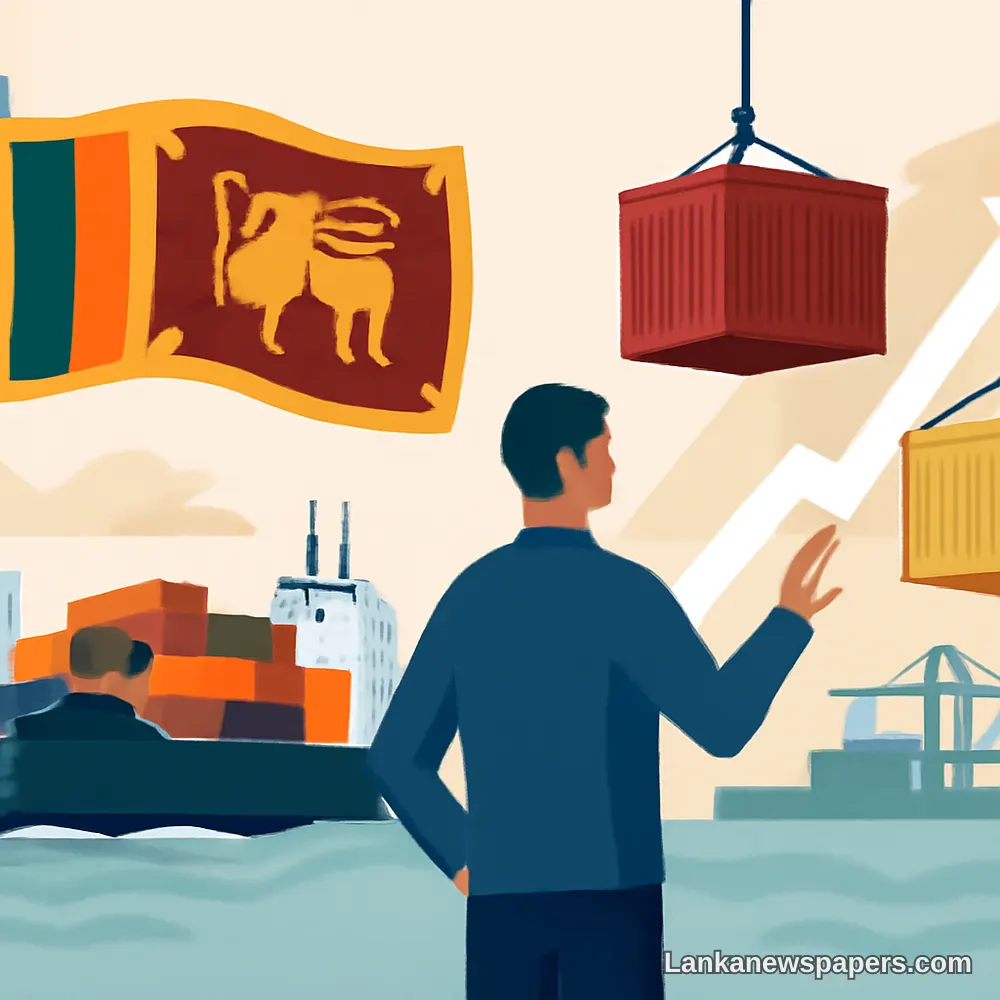
Sri Lanka has enacted a new national tariff policy aimed at liberalising trade and strengthening the country's export sector, marking one of the most significant shifts in the island nation's trade framework in recent years.
A New Direction for Trade Policy
The government has formally put into effect the national tariff policy, a sweeping reform designed to streamline import duties, reduce trade barriers, and create a more competitive environment for Sri Lankan businesses operating in global markets.
The move signals a deliberate pivot away from the protectionist trade posture that has historically characterised Sri Lanka's economic policy, towards a more open and market-oriented approach that authorities believe will attract foreign investment and stimulate export-led growth.
What the Policy Aims to Achieve
At its core, the new tariff framework seeks to rationalise the existing duty structure, which critics had long argued was complex, inconsistent, and a barrier to Sri Lanka's integration into regional and global supply chains.
- Liberalisation of trade through revised and simplified import tariff structures
- Enhanced competitiveness for Sri Lankan exporters in international markets
- Encouragement of foreign direct investment by reducing the cost of doing business
- Alignment of Sri Lanka's trade policies with international norms and standards
Significance for Sri Lanka's Economic Recovery
The enactment of this policy comes at a critical juncture for Sri Lanka, which is still navigating its path to economic stabilisation following the unprecedented financial crisis of 2022. Policymakers and economic analysts have repeatedly stressed that export growth is essential to generating the foreign exchange reserves the country needs for long-term sustainability.
A reformed tariff policy is widely regarded as a foundational step in repositioning Sri Lanka as a competitive trade hub in South Asia.
By reducing the cost burden on imported raw materials and intermediate goods, the policy is also expected to benefit local manufacturers who depend on foreign inputs to produce finished goods for export.
Broader Implications
Trade economists have noted that tariff liberalisation, when implemented carefully, can unlock productivity gains across multiple sectors including apparel, agriculture, technology, and services — all areas where Sri Lanka holds potential comparative advantages.
The government is expected to roll out the policy in phases, with relevant regulatory bodies tasked with overseeing implementation and monitoring its impact on domestic industries, employment, and government revenue.
Stakeholders from the private sector and export industry associations are anticipated to play a key role in the consultative processes that will accompany the policy's staged rollout in the months ahead.



💬 Join the Discussion 2
See what readers are saying — and add your view.
finally some good news, hope they actually implement it properly this time
implement properly? this goverment? good luck with that