Sri Lanka Bleeds Over USD 100 Million in Foreign Exchange Losses Over Stalled Imported Salt Decision
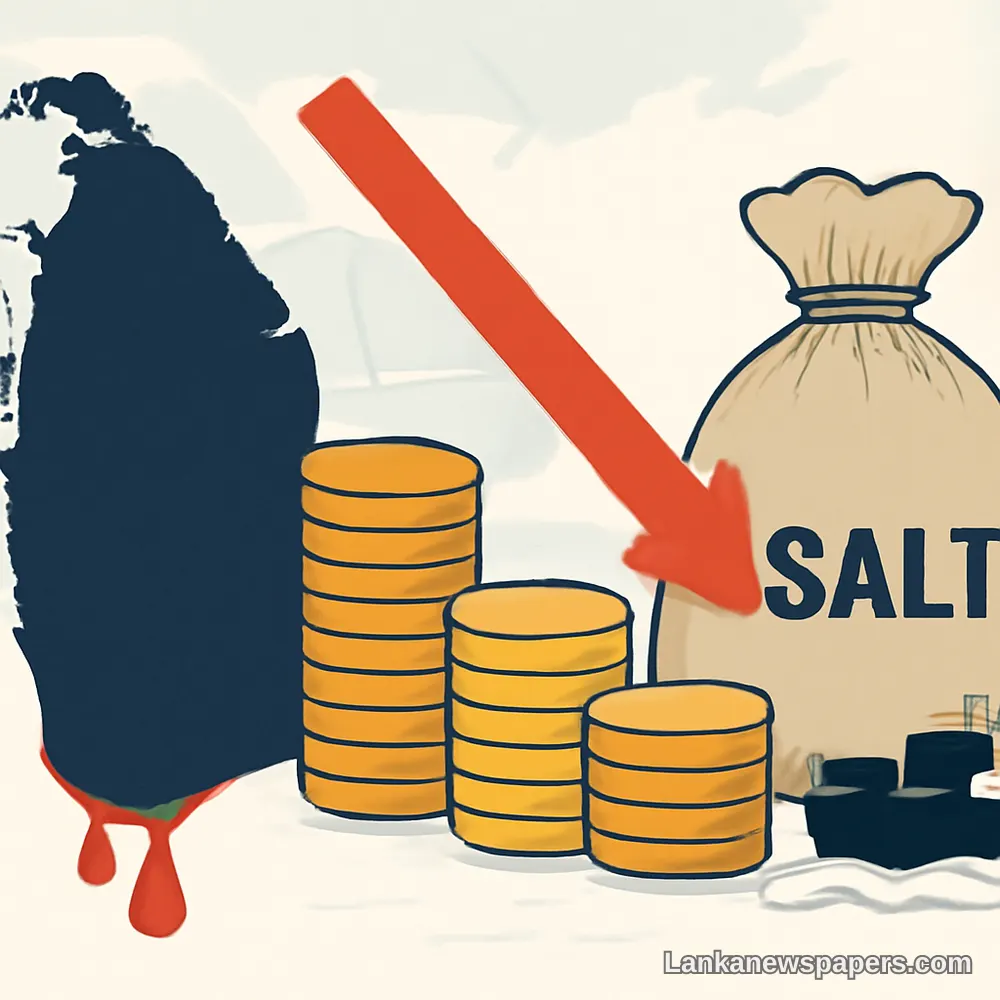
Sri Lanka has incurred foreign exchange losses estimated at over USD 100 million after more than a year passed without a government decision on the fate of approximately 50,000 metric tonnes of imported salt sitting idle, sparking serious concerns over policy mismanagement and bureaucratic inertia.
Stockpile Left in Limbo
The imported salt, amounting to 50,000 metric tonnes, has remained unused and unresolved for over twelve months, effectively tying up significant foreign capital with no productive outcome. Industry observers and business stakeholders have raised alarm over the mounting losses, which they attribute to prolonged indecision at the policy level.
The prolonged stalemate has not only drained foreign reserves but has also disrupted downstream industries that depend on salt as a critical raw material, compounding the economic damage well beyond the initial import cost.
Policy Uncertainty Under Scrutiny
The episode has reignited debate over Sri Lanka's import policy framework, particularly regarding strategic commodities. Critics argue that the failure to act swiftly reflects deeper structural weaknesses in how the government handles time-sensitive economic decisions, especially at a time when the country is still navigating a fragile economic recovery.
With foreign exchange reserves remaining a closely watched indicator of Sri Lanka's financial health following its historic economic crisis, losses of this magnitude carry significant weight. Every dollar tied up in unresolved import disputes represents pressure on a reserve base that the government has worked painstakingly to rebuild under its International Monetary Fund programme.
Business Community Bears the Brunt
The business impact of the delay has been described as severe. Industries reliant on industrial-grade salt, including chemical manufacturing and food processing sectors, have reportedly faced supply disruptions as the stockpile remained inaccessible pending a policy resolution.
- Over 50,000 metric tonnes of imported salt remain idle
- Foreign exchange losses are estimated to exceed USD 100 million
- The delay spans more than one year with no resolution in sight
- Downstream industries dependent on salt have faced supply chain disruptions
The inability to make a timely decision on imported salt has cost the country dearly, undermining confidence in the government's capacity to manage trade policy effectively during a critical period of economic stabilisation.
Calls for Accountability
Stakeholders are now calling on the government to provide a clear and immediate resolution to the standoff, warning that further delays will only deepen the financial damage. Transparent communication on import policy, particularly for commodities of national economic significance, has been identified as an urgent priority.
As Sri Lanka continues its efforts to restore macroeconomic stability and rebuild investor confidence, episodes such as this serve as a stark reminder of the real cost of policy paralysis on the country's broader economic recovery agenda.



💬 Join the Discussion 1
See what readers are saying — and add your view.
100 million dollars wasted over salt men. SALT.