Six Years On: Sri Lanka's Easter Sunday Bombing Investigation Reads Like a Spy Novel
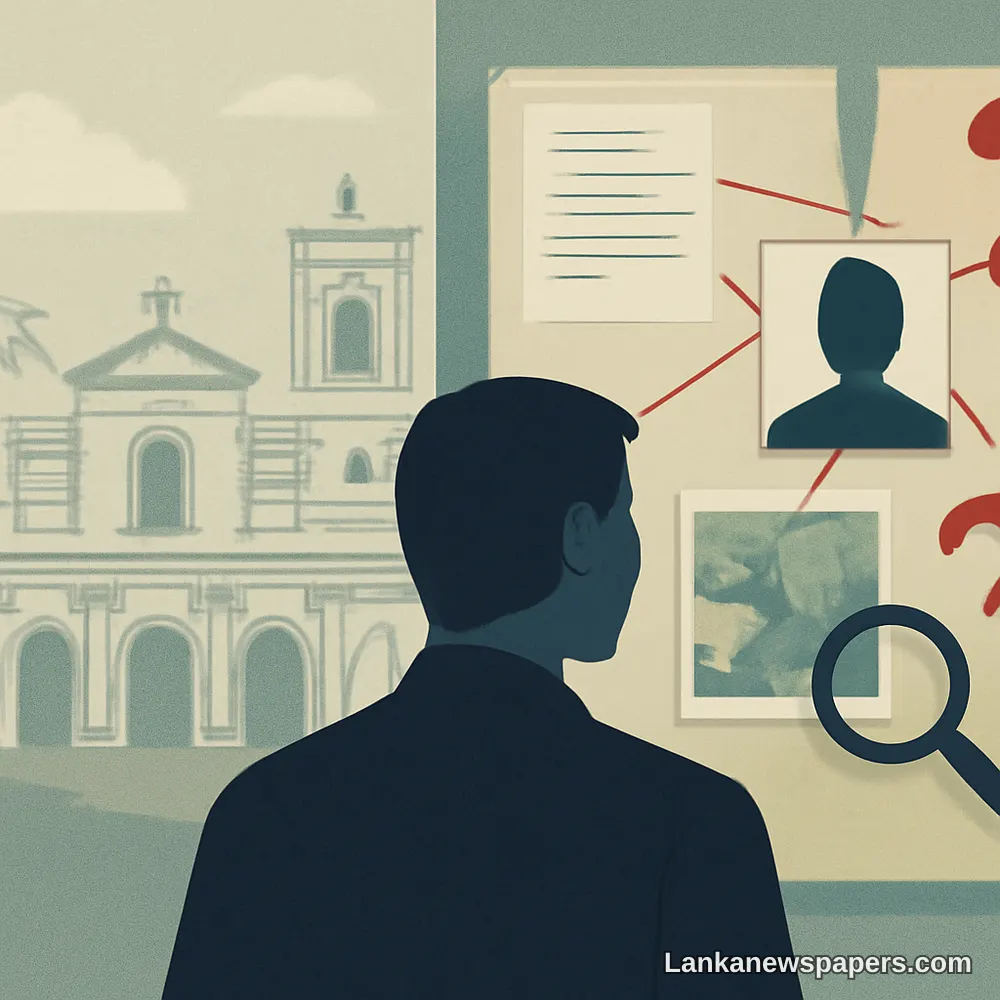
A Nation Still Seeking the Truth
More than six years have passed since the devastating Easter Sunday attacks of April 21, 2019, yet Sri Lanka's investigation into one of its darkest days continues to unfold with all the complexity and intrigue of a political spy thriller. The coordinated bombings, which tore through three churches and three luxury hotels, claimed the lives of more than 260 people and left hundreds more injured, sending shockwaves across the island and the wider world.
A Web of Unanswered Questions
Despite the passage of time, the probe into the attacks has been anything but straightforward. Investigators and parliamentary committees have repeatedly pointed to troubling failures within Sri Lanka's own intelligence apparatus — raising uncomfortable questions about what was known before the bombs went off, who knew it, and crucially, why warnings were not acted upon.
Evidence has emerged suggesting that credible intelligence alerts were received by senior security officials in the days leading up to the attacks, yet the information failed to trigger an effective preventive response. This fundamental breakdown has fuelled persistent demands from victims' families and civil society groups for full accountability at the highest levels of government and the security establishment.
Political Dimensions Deepen the Mystery
The investigation has been further complicated by the political turbulence that has gripped Sri Lanka since 2019. Changes in government, competing political interests, and allegations that certain powerful figures may have had advance knowledge of the plot have all contributed to an atmosphere of suspicion and mistrust surrounding the official inquiry.
Multiple commissions and committees have been established over the years to examine the attacks, yet critics argue that their findings have not been adequately translated into justice for the victims. Key suspects have faced legal proceedings, but questions surrounding the alleged masterminds and potential state-level complicity remain largely unresolved.
The Human Cost Behind the Headlines
For the hundreds of families who lost loved ones on that Palm Sunday morning, the prolonged nature of the investigation has compounded their grief. Survivors and relatives of the deceased have been vocal in their frustration, calling on authorities to move beyond political manoeuvring and deliver meaningful answers.
- Over 260 people were killed in the coordinated attacks
- Three churches and three five-star hotels were targeted simultaneously
- The National Thowheed Jamath, a local Islamist group, was identified as responsible
- International links, including connections to the Islamic State, were also investigated
A Test of Institutional Integrity
The Easter Sunday investigation has become a defining test for Sri Lanka's institutions — its judiciary, its intelligence services, and its political leadership. Whether the country can ultimately deliver justice that matches the scale of the tragedy remains an open and deeply consequential question.
For survivors and bereaved families, justice delayed is not merely justice denied — it is a wound that refuses to heal.
As Sri Lanka continues to navigate its path toward political and economic recovery, the unresolved threads of the Easter Sunday investigation serve as a constant reminder that accountability cannot be indefinitely deferred. The nation's credibility, both at home and on the international stage, may well depend on its willingness to confront the full truth of what happened — and who allowed it to happen.



💬 Join the Discussion 0
Be the first to share your view on this story.