Prison Bloodshed Claims 28 Lives as Political Blame Game Overshadows Calls for Reform
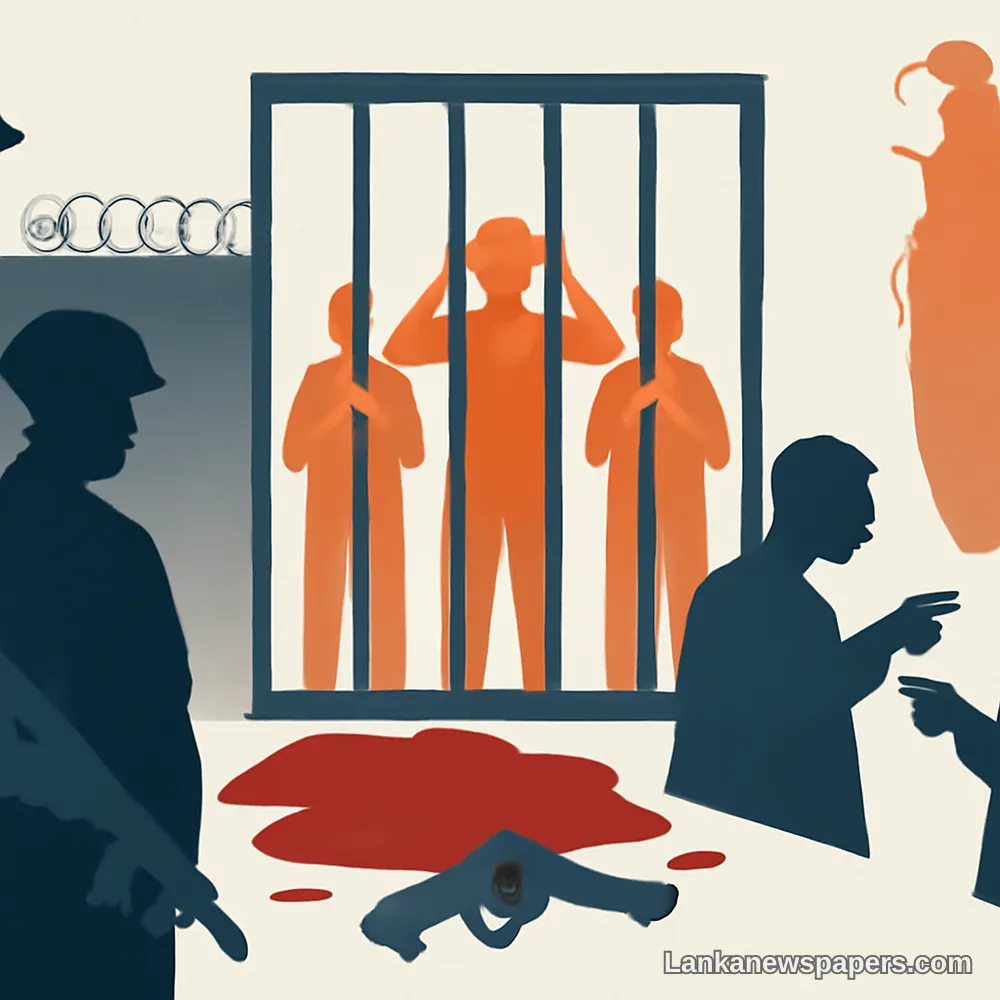
A deadly outbreak of violence inside a Sri Lankan prison has left 28 inmates dead and more than 100 others injured, bringing a grim episode of institutional bloodshed to a close — even as the political fallout continues to escalate with no sign of resolution.
Violence Behind Bars
The latest prison unrest, which shocked the nation and drew widespread condemnation, has officially subsided. However, the human cost has been severe, with two dozen and more lives lost and scores of prisoners requiring medical attention following the clashes that broke out within the facility's walls.
Authorities have yet to provide a comprehensive account of how the violence unfolded or what specific trigger set off the deadly chain of events. The incident has once again cast a harsh spotlight on the chronic overcrowding, poor conditions, and systemic neglect that have long plagued Sri Lanka's prison system.
Politicians Trade Blows as Families Grieve
Rather than uniting around the urgent need for prison reform, the government and the Opposition have descended into a familiar cycle of finger-pointing and political point-scoring. Both sides have exchanged allegations, with each seeking to lay blame at the other's door while the families of victims are left searching for answers.
Critics have been quick to point out that this political wrangling represents a profound waste of both time and public resources — energy that would be far better directed toward a serious, independent inquiry into what went wrong and how future tragedies can be prevented.
A System in Crisis
Prison rights advocates argue that incidents of this magnitude do not arise in a vacuum. Sri Lanka's correctional facilities have for years been operating well beyond their intended capacity, with insufficient staffing, inadequate rehabilitation programmes, and poor infrastructure creating conditions in which violence can easily take hold.
- Chronic overcrowding remains one of the most pressing concerns within the prison system
- Understaffing leaves correctional officers stretched thin and unable to maintain consistent order
- Limited access to rehabilitation and mental health support contributes to tension among inmates
- Previous incidents of prison unrest have not resulted in meaningful structural reforms
Observers warn that without genuine political will to address these root causes, further tragedies of this nature are not a question of if, but when.
Calls for Accountability
Civil society groups and legal advocates are now calling on the government to move beyond rhetoric and commission an independent, transparent investigation into the incident. They stress that accountability must extend beyond low-ranking prison staff and reach those responsible for policy decisions that have allowed dangerous conditions to persist for so long.
As political battles rage on in Colombo, the broader public mood appears to be one of frustration — with many Sri Lankans questioning why, after so many similar incidents over the years, nothing of substance ever seems to change within the country's prison system.
The 28 who lost their lives in this latest tragedy serve as a sobering reminder that inaction carries a very real human cost — one that no amount of political grandstanding can obscure.



💬 Join the Discussion 1
See what readers are saying — and add your view.
28 people dead and these politicians just playing blame game as usual