UNP Accuses NPP Government of Abandoning Ranil's Economic Recovery Blueprint
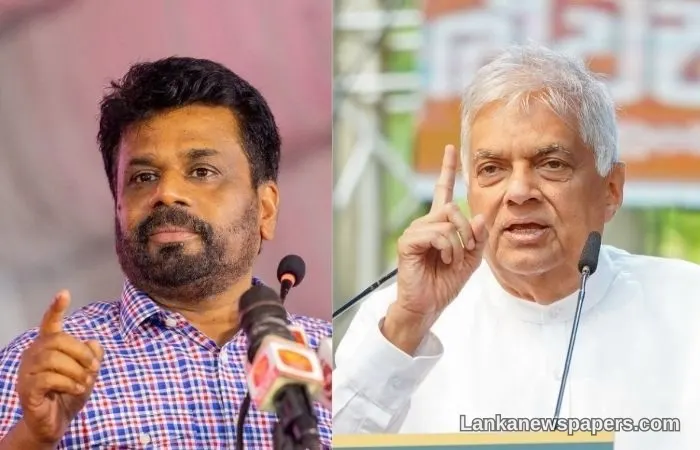
The United National Party (UNP) has launched a sharp critique against the ruling National People's Power (NPP) government, accusing it of straying away from the economic recovery and growth strategy implemented under former President Ranil Wickremesinghe.
The UNP charged that the current administration has effectively turned its back on the structured economic framework that had been carefully put in place to stabilise Sri Lanka following its worst financial crisis in decades.
A Departure from Established Economic Policy
According to the UNP, the NPP government is no longer adhering to the roadmap that guided the country through the painful but necessary period of economic reform. The party argued that the policies championed by Wickremesinghe were designed not only to restore macroeconomic stability but also to set Sri Lanka on a long-term path of sustainable growth.
The UNP's position raises questions about continuity in economic governance at a time when Sri Lanka remains in a fragile recovery phase, still navigating the conditions of its International Monetary Fund bailout programme.
Political Tensions Over Economic Direction
The accusation reflects growing political tensions between the UNP and the NPP, which swept to power on a platform of systemic change and anti-corruption reform. Critics of the previous administration, however, have argued that Wickremesinghe's economic measures placed an undue burden on ordinary Sri Lankans through steep tax hikes and cuts to public services.
The NPP government has maintained that it is committed to fiscal responsibility and honouring Sri Lanka's international debt obligations, while also seeking to ease the cost-of-living pressures faced by the public.
Implications for Sri Lanka's Recovery
The UNP's warning comes at a critical juncture for the Sri Lankan economy. The country has made measurable progress since the depths of the 2022 economic collapse, but analysts have consistently stressed the importance of policy consistency in maintaining the confidence of international creditors and investors.
- Sri Lanka secured an IMF Extended Fund Facility agreement as part of its debt restructuring process.
- Economic reforms under Wickremesinghe included significant revenue-raising measures and state enterprise restructuring.
- The NPP government inherited both the benefits and the political costs of those reforms following its election victory.
As the debate over economic direction intensifies, all eyes will be on how the NPP government balances its reform commitments with the expectations of a public that voted decisively for change.


💬 Join the Discussion 0
Be the first to share your view on this story.