Protect Our Children: The Case for Banning Social Media Access for Under-16s in Sri Lanka
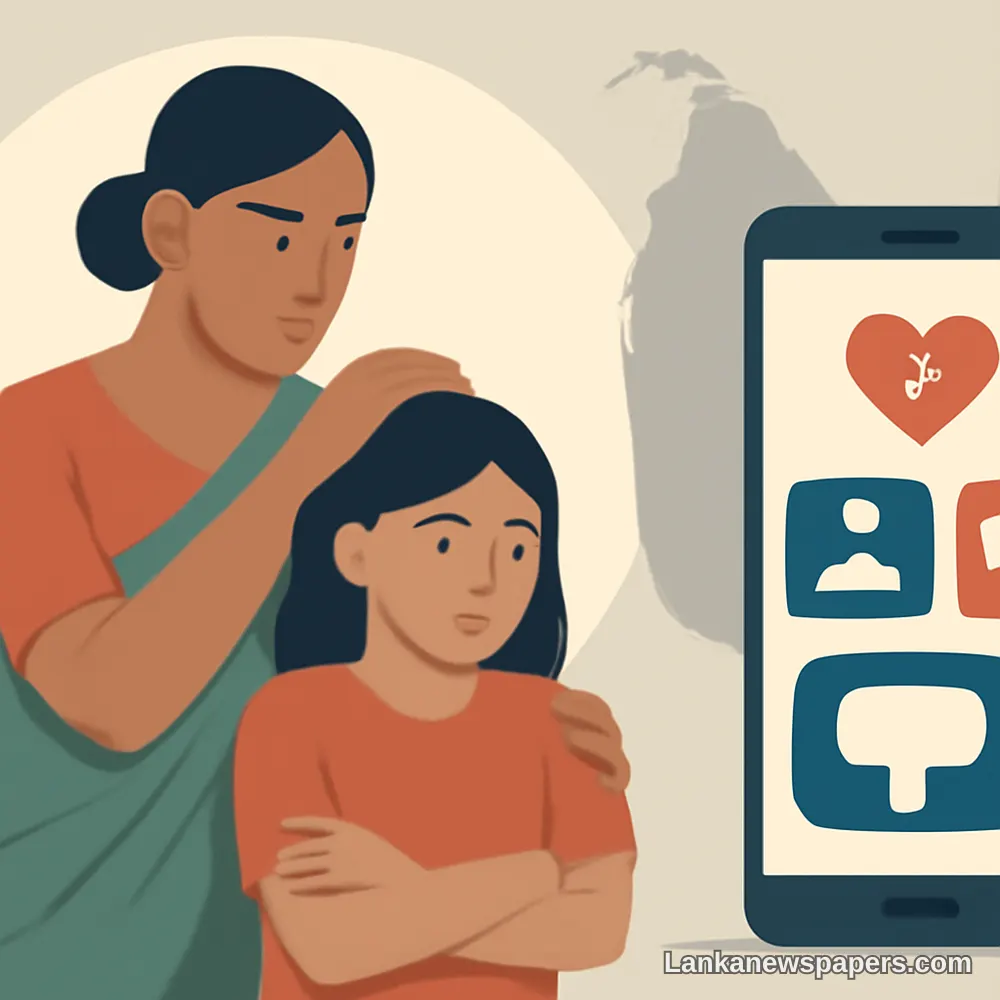
A Growing Crisis Demanding Urgent Action
Sri Lanka faces a pressing and increasingly urgent challenge that authorities can no longer afford to ignore — the unrestricted access of children and teenagers to social media platforms. As digital connectivity deepens across the island, experts and child welfare advocates are calling on the government to take decisive legislative action by prohibiting children under the age of 16 from using social media.
The Harm Being Done to Young Minds
The evidence linking excessive social media use among children to deteriorating mental health outcomes is mounting globally and is beginning to be felt acutely here in Sri Lanka. Young users are increasingly exposed to cyberbullying, harmful content, predatory behaviour, and addictive algorithms designed to maximise screen time at the expense of their wellbeing.
Children who spend significant hours scrolling through social media feeds are at a demonstrably higher risk of developing anxiety, depression, and distorted self-image — conditions that are placing enormous strain on families and Sri Lanka's already stretched mental health services.
What Other Countries Are Doing
Sri Lanka need not navigate this challenge alone. Several nations have already moved to enact or seriously consider age-based restrictions on social media use. Australia has been among the most prominent, advancing legislation to ban social media for children under 16 — a move that drew significant international attention and debate. The global momentum is clearly shifting toward protecting minors in digital spaces, and Sri Lanka risks falling behind if it fails to act.
The Responsibility of Government and Platforms
Technology companies that operate these platforms have long resisted meaningful accountability, profiting from the engagement of young users while deflecting responsibility for the consequences. Sri Lankan legislators must therefore not wait for voluntary action from Silicon Valley. A robust, enforceable regulatory framework is needed — one that places the burden of age verification and compliance squarely on the platforms themselves.
- Mandatory age verification systems must be implemented by social media companies operating in Sri Lanka.
- Parents and guardians must be equipped with clearer tools and guidance to monitor and manage their children's online activity.
- Schools must integrate digital literacy and online safety education into their core curricula.
- A dedicated national body should be empowered to oversee and enforce child online safety standards.
A Question of National Priority
Protecting children from harm has always been a cornerstone of civilised society. In an era where the greatest dangers to a child's wellbeing may no longer lurk only in the physical world but in the palm of their hand, Sri Lanka's policymakers must rise to meet the moment.
The digital age offers extraordinary opportunities for learning and connection, but without proper safeguards, it also poses extraordinary risks to the youngest and most vulnerable members of our society.
The call to ban social media for children under 16 is not about fear of technology — it is about ensuring that when young Sri Lankans do engage with the digital world, they are old enough, informed enough, and resilient enough to do so safely. The time for debate has passed. The time for action is now.

💬 Join the Discussion 1
See what readers are saying — and add your view.
Good idea but who will actually enforce this? Goverment cant even fix potholes.