Sri Lanka Achieves Major Milestone as World Bank Upgrades Nation to 'Upper-Middle Income' Status
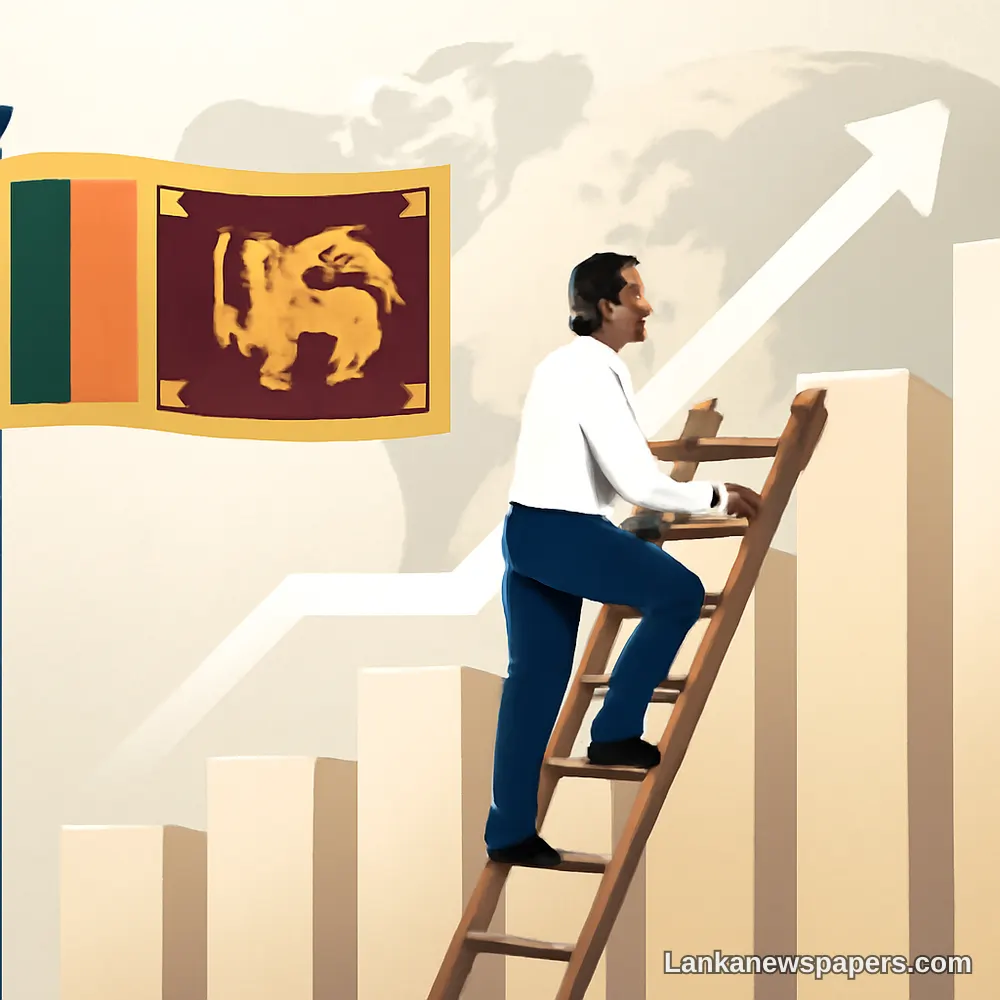
A Landmark Economic Recognition for Sri Lanka
Sri Lanka has been upgraded to "upper-middle income" status by the World Bank, marking a significant milestone in the island nation's economic journey and signalling renewed confidence in its recovery trajectory following years of financial hardship.
The World Bank's reclassification places Sri Lanka alongside Vietnam, which has also been elevated to the same income category in the latest round of country classifications. The upgrade reflects improvements in gross national income (GNI) per capita, the primary measure used by the World Bank to determine a country's income group.
What the Upgrade Means for Sri Lanka
The reclassification from "lower-middle income" to "upper-middle income" carries considerable weight for Sri Lanka, both symbolically and practically. It represents a formal acknowledgement of the country's economic progress and may influence the terms on which Sri Lanka can access international financing and development assistance.
The achievement is particularly noteworthy given that Sri Lanka declared an unprecedented economic crisis in 2022, which led to severe shortages of fuel, medicine and essential goods, widespread power cuts, and massive public protests that ultimately resulted in a change of government. The country subsequently entered into a bailout programme with the International Monetary Fund to stabilise its battered economy.
A Shared Achievement with Vietnam
Sri Lanka shares this latest upgrade with Vietnam, a Southeast Asian nation widely recognised for its rapid and sustained economic development over recent decades. Both countries now fall within the upper-middle income bracket as defined by the World Bank's annual classification system, which is updated each year based on the latest GNI per capita data.
- Upper-middle income countries are defined by the World Bank as those with a GNI per capita between approximately $4,516 and $14,005.
- The classification influences eligibility for certain types of concessional lending and development aid.
- Vietnam has been one of Asia's fastest-growing economies, making its upgrade widely anticipated.
A Boost for Sri Lanka's Ongoing Recovery
For Sri Lanka, the timing of the upgrade carries particular significance. The country has been working through a structured economic recovery plan under the guidance of the IMF, implementing difficult fiscal reforms, rebuilding foreign reserves, and seeking to restore investor confidence in its markets and institutions.
The World Bank's recognition serves as an important external validation that those efforts are bearing fruit, even as the government and the Sri Lankan public continue to navigate the lingering hardships of the post-crisis period. Rising living costs and ongoing structural challenges remain a reality for many citizens across the country.
Economists and policymakers are likely to welcome the reclassification as a positive signal to international investors and development partners, reinforcing the narrative that Sri Lanka is on a credible path toward sustained economic stabilisation and long-term growth.



💬 Join the Discussion 2
See what readers are saying — and add your view.
on paper only. ask the ppl in the queue at the pettah market
exactly. my salary same as 3 years ago what upper middle