Sri Lanka Reclaims Upper-Middle Income Status — But World Bank Warning Signals Fragile Recovery
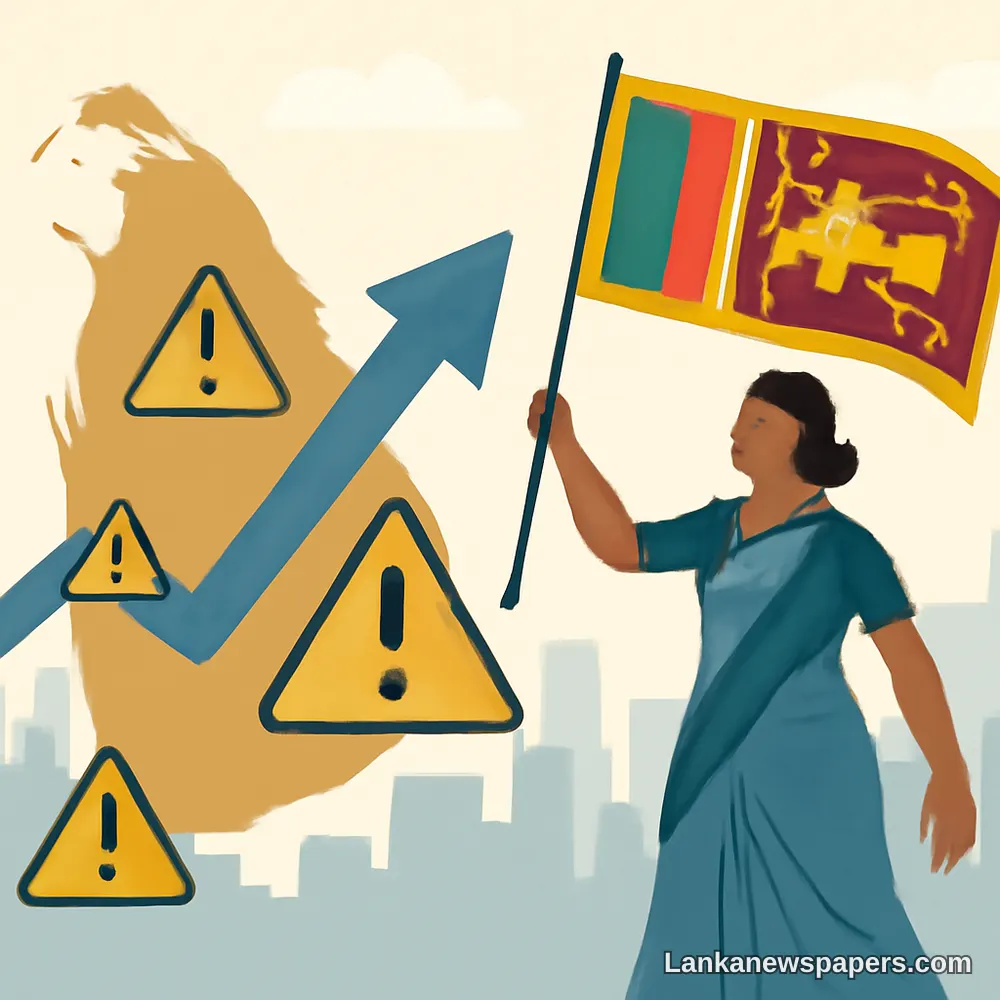
Sri Lanka has been reclassified as an upper-middle income economy by the World Bank, marking a significant milestone in the island nation's long and painful road to economic recovery following its worst financial crisis in modern history.
A Hard-Won Return
The reclassification was confirmed in the World Bank Group's Country Income data update, placing Sri Lanka back among upper-middle income nations — a tier it had previously held before being downgraded amid the devastating economic collapse that gripped the country in 2022.
While officials have welcomed the development, they have been careful to temper enthusiasm with caution. The restored status is being described as hard-won but fragile, and for good reason — Sri Lanka has held this classification before, only to lose it within the space of a single year.
Reasons for Caution
The warning signs are difficult to ignore. Sri Lanka's previous experience demonstrates how quickly economic gains can unravel, particularly for a country still navigating the aftermath of a severe balance of payments crisis, record inflation, and widespread fuel and essential goods shortages that brought citizens to the streets in 2022.
Sustaining the upper-middle income classification will require consistent economic growth, continued fiscal discipline, and the successful implementation of reforms tied to Sri Lanka's ongoing International Monetary Fund recovery programme.
What the Reclassification Means
World Bank income classifications are determined primarily by Gross National Income per capita. Being placed in the upper-middle income bracket can influence a country's access to certain categories of international financing and signals to investors that the economy is stabilising.
- Sri Lanka previously held upper-middle income status before losing it during the economic crisis
- The reclassification reflects improvements in key national income indicators
- Authorities and analysts caution that structural reforms must continue to lock in gains
The Road Ahead
For ordinary Sri Lankans, who endured long queues for fuel, soaring food prices, and lengthy daily power cuts at the height of the crisis, the World Bank's reclassification offers a measure of reassurance that the country is moving in the right direction. However, economists stress that the reclassification is a snapshot, not a guarantee.
The government faces the continuing challenge of rebuilding foreign exchange reserves, managing public debt, and restoring business confidence — all while ensuring that the recovery translates into tangible improvements in living standards for citizens across the country.
Whether Sri Lanka can hold onto this status will be closely watched both domestically and by international financial institutions in the months and years ahead.

💬 Join the Discussion 4
See what readers are saying — and add your view.
genuine question, does this change anything for normal ppl on the ground or just looks good on paper
we lost this status before and bounced back to poor again, goverment please dont celebrate too early
until petrol price and dhal price comes down, this title means nothing to me
exactly, supermarket still feels like robbery every week