Sri Lanka Climbs the Economic Ladder as World Bank Grants Upper Middle Income Status
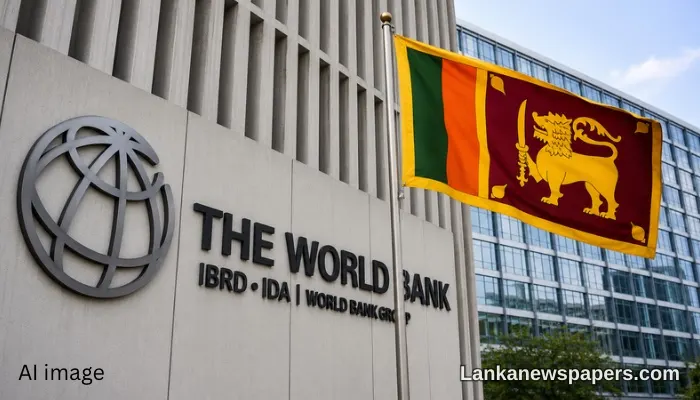
In a significant milestone for Sri Lanka's economic recovery, the World Bank Group has officially reclassified the island nation as an Upper Middle Income country, elevating it from its previous Lower Middle Income designation.
A Landmark Recognition
The upgrade marks a major turning point for Sri Lanka, which has been navigating one of the most severe economic crises in its post-independence history. The World Bank's reclassification is based on Gross National Income (GNI) per capita thresholds, which the country has now crossed to qualify for the higher income bracket.
What This Means for Sri Lanka
Being classified as an Upper Middle Income country carries considerable weight, both symbolically and practically. The designation reflects measurable improvements in the living standards and economic output of Sri Lankan citizens. Among the key implications of this status change are:
- Greater credibility with international investors and financial institutions
- Potential changes to the terms and conditions of future development financing
- Recognition of the country's progress in stabilising its macroeconomic fundamentals
- Improved standing in global economic rankings and assessments
Recovery Amid Hardship
The reclassification comes as Sri Lanka continues its path of economic stabilisation following the devastating 2022 financial crisis, which saw the country default on its external debt for the first time, face acute shortages of fuel, medicine and essential goods, and experience widespread public unrest.
Since then, the government has worked alongside the International Monetary Fund under a bailout programme aimed at restoring fiscal discipline, rebuilding foreign exchange reserves, and implementing structural reforms across key sectors of the economy.
The World Bank's updated income classifications are reviewed annually and are based on GNI per capita figures calculated using the Atlas method, with countries repositioned according to revised threshold levels each fiscal year.
Cautious Optimism
While the upgrade is widely viewed as a positive signal, economists and policy analysts caution that the classification alone does not erase the deep economic challenges that ordinary Sri Lankans continue to face, including elevated cost of living, high public debt levels, and ongoing structural vulnerabilities.
Nevertheless, the World Bank's recognition is expected to bolster confidence among foreign investors and development partners, and stands as a testament to the resilience of the Sri Lankan economy during one of its most turbulent periods in recent memory.

💬 Join the Discussion 0
Be the first to share your view on this story.