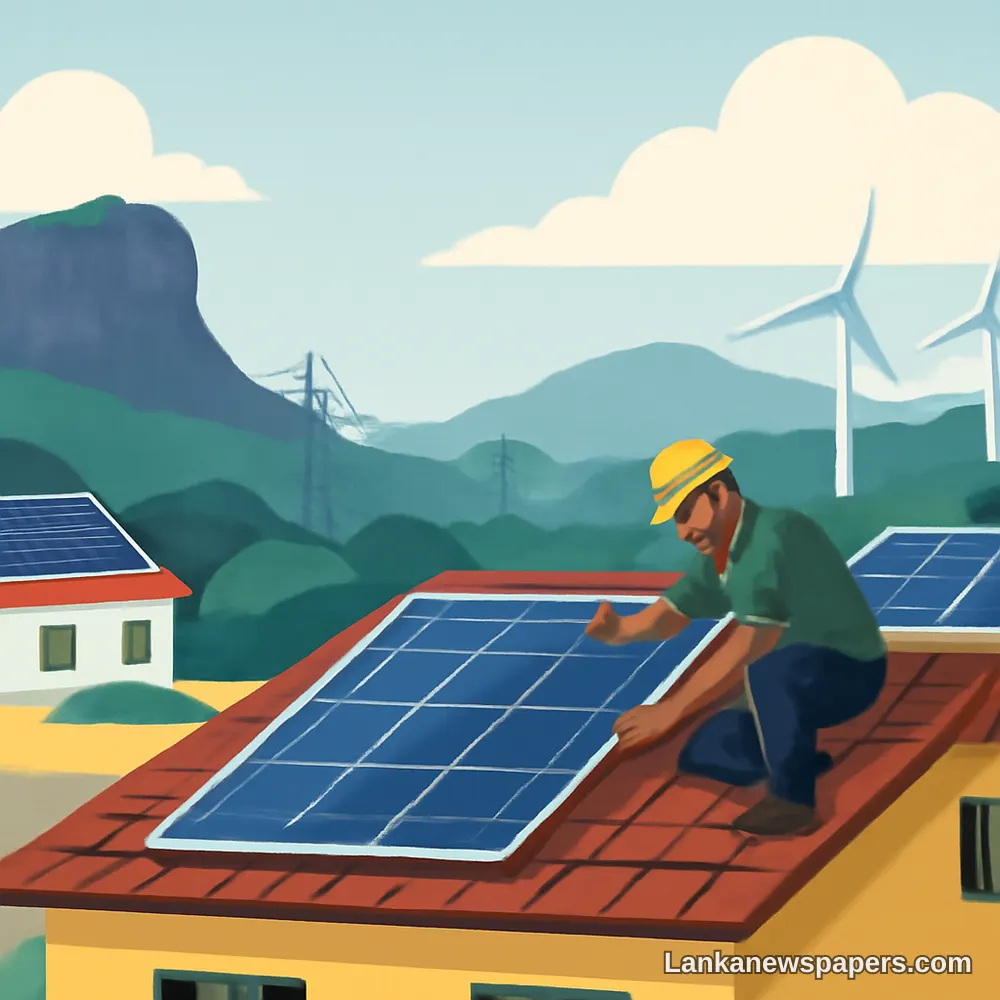
The Asian Development Bank (ADB) has pledged US$57 million to accelerate the rollout of rooftop solar photovoltaic systems in Sri Lanka, marking a significant step forward in the island nation's push toward cleaner and more affordable energy solutions.
A Major Boost for Renewable Energy
The funding commitment underscores growing international confidence in Sri Lanka's renewable energy ambitions, as the country continues to grapple with the economic and logistical challenges of transitioning away from costly fossil fuel imports. Rooftop solar installations have been identified as one of the most practical and scalable pathways to expanding clean energy access for both households and businesses across the island.
The ADB's financial backing is expected to support the installation of solar panels on residential and commercial rooftops, helping to reduce dependency on the national grid while lowering electricity bills for consumers. The move also aligns with Sri Lanka's broader national targets for increasing the share of renewable energy in its power generation mix.
Regional Context
Sri Lanka's solar energy push is part of a wider trend across the Asia Pacific region, where governments and multilateral institutions are ramping up investment in photovoltaic technology. Nations throughout the region are leveraging funding from development banks and private sector partners to modernise their energy infrastructure and meet climate commitments.
What This Means for Sri Lanka
For ordinary Sri Lankans, the ADB-backed initiative could translate into several tangible benefits, including:
- Reduced monthly electricity costs for homes and small businesses adopting rooftop systems
- Greater energy security and reduced vulnerability to fuel price fluctuations
- New employment opportunities in the local solar installation and maintenance sector
- A measurable reduction in the country's carbon emissions over the coming years
Sri Lanka has faced persistent energy challenges in recent years, including power shortages and the economic strain of importing petroleum products. Expanding rooftop solar capacity is widely regarded by energy experts as a cost-effective method to decentralise power generation and ease pressure on the national electricity system.
Looking Ahead
With multilateral support now firmly in place, attention will turn to the implementation framework — including how swiftly approvals, grid connectivity, and financing mechanisms can be made accessible to eligible households and businesses. Industry observers will be watching closely to see whether this injection of funds translates into rapid, on-the-ground progress for Sri Lanka's renewable energy sector.



💬 Join the Discussion 3
See what readers are saying — and add your view.
57 million means what for the average family? our bills still high no
finally some good news, hope this actually reaches rural areas too
exactly, dont just give it to Colombo ppl only