Faith in a Fractured World: How Major Religions Must Navigate Secularism and Extremism
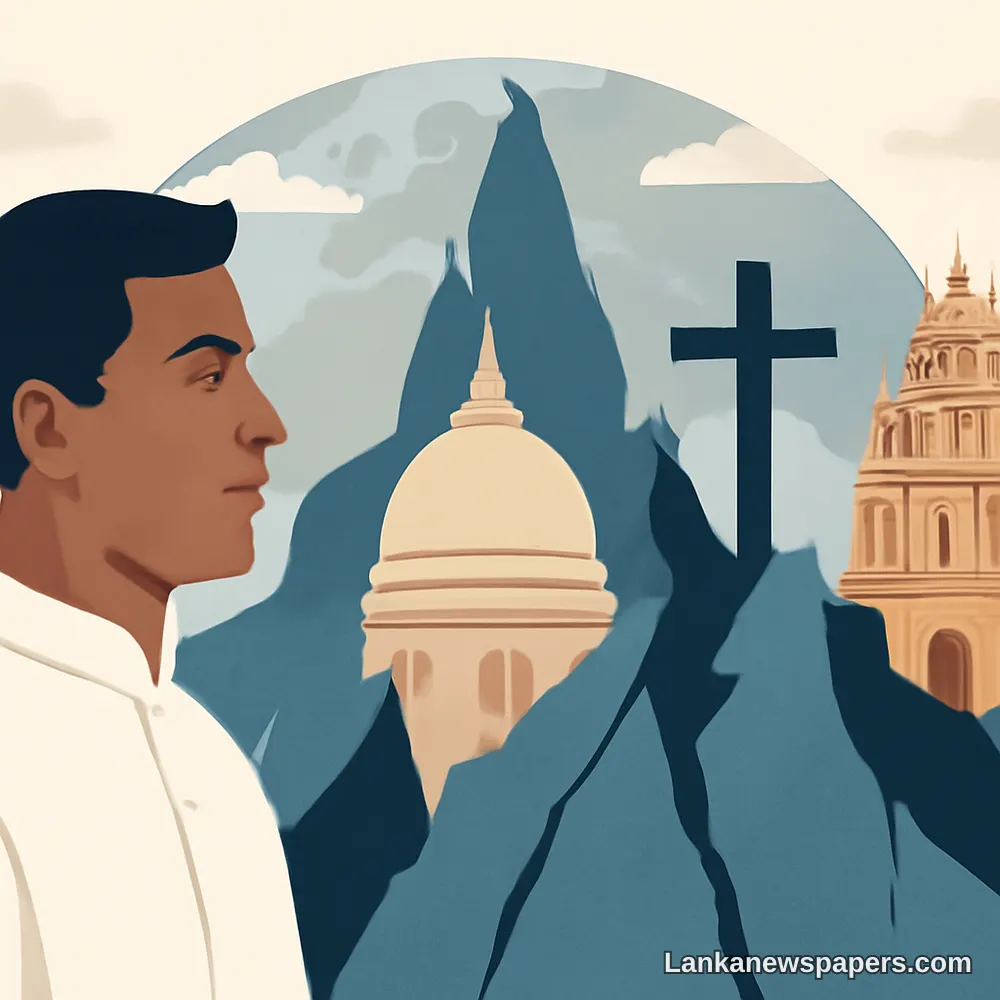
A Double Challenge for the World's Great Faiths
In an era defined by rapid change and deep uncertainty, the world's major religions find themselves confronting two powerful and opposing forces simultaneously — one pushing from the outside, the other threatening to corrupt from within.
The Rise of Secularism
Across the globe, secularism has emerged as one of the most transformative cultural movements of the modern age. Like a tide that respects no border, it has washed against the oldest and most sacred institutions humanity has ever built, gradually redirecting the spiritual aspirations of millions away from the transcendent and towards the purely material.
Where once communities gathered around shared religious identity, many now find meaning in science, economics, and individualism. The sacred spaces that once anchored entire civilisations are, in many parts of the world, standing quieter than they have in centuries.
The Threat From Within
Yet secularism is only one side of the dilemma. Equally dangerous is the rise of extremism within religious traditions themselves — a distortion that reduces rich, complex systems of belief into instruments of division, hatred, and violence.
Rather than representing the depth and wisdom of their traditions, extremist voices frequently dominate headlines, shaping public perception and driving wedges between communities that have historically coexisted with remarkable tolerance.
The Call for Tolerance and Diversity
Against this backdrop, religious leaders, scholars, and communities worldwide are being called upon to champion the values of tolerance and diversity — not as concessions to modernity, but as expressions of the very principles at the heart of their faiths.
- Promoting interfaith dialogue at community and national levels
- Challenging extremist narratives from within religious institutions
- Demonstrating that spirituality and modern civic life are not mutually exclusive
- Reaffirming the shared ethical foundations common to all major world religions
Relevance for Sri Lanka
For Sri Lanka, a nation home to Buddhism, Hinduism, Islam, and Christianity, this global conversation carries profound local significance. The country has experienced firsthand the devastation that religious intolerance can bring, and equally, the extraordinary resilience that emerges when communities choose understanding over suspicion.
The challenge is not to choose between faith and the modern world, but to carry the deepest wisdom of one's tradition into it — with humility, courage, and an open hand extended to the other.
As communities across the island continue to rebuild trust and strengthen social cohesion, the twin imperatives of resisting both hollow secularism and dangerous extremism remain as urgent as ever. The path forward, many argue, lies not in retreat or rigidity, but in a confident, compassionate engagement with the diversity that defines humanity itself.


💬 Join the Discussion 2
See what readers are saying — and add your view.
Religion and secularism can coexist, we did it for years before politicians ruined everything.
True but extremism didnt come from nowhere, someone funded it.