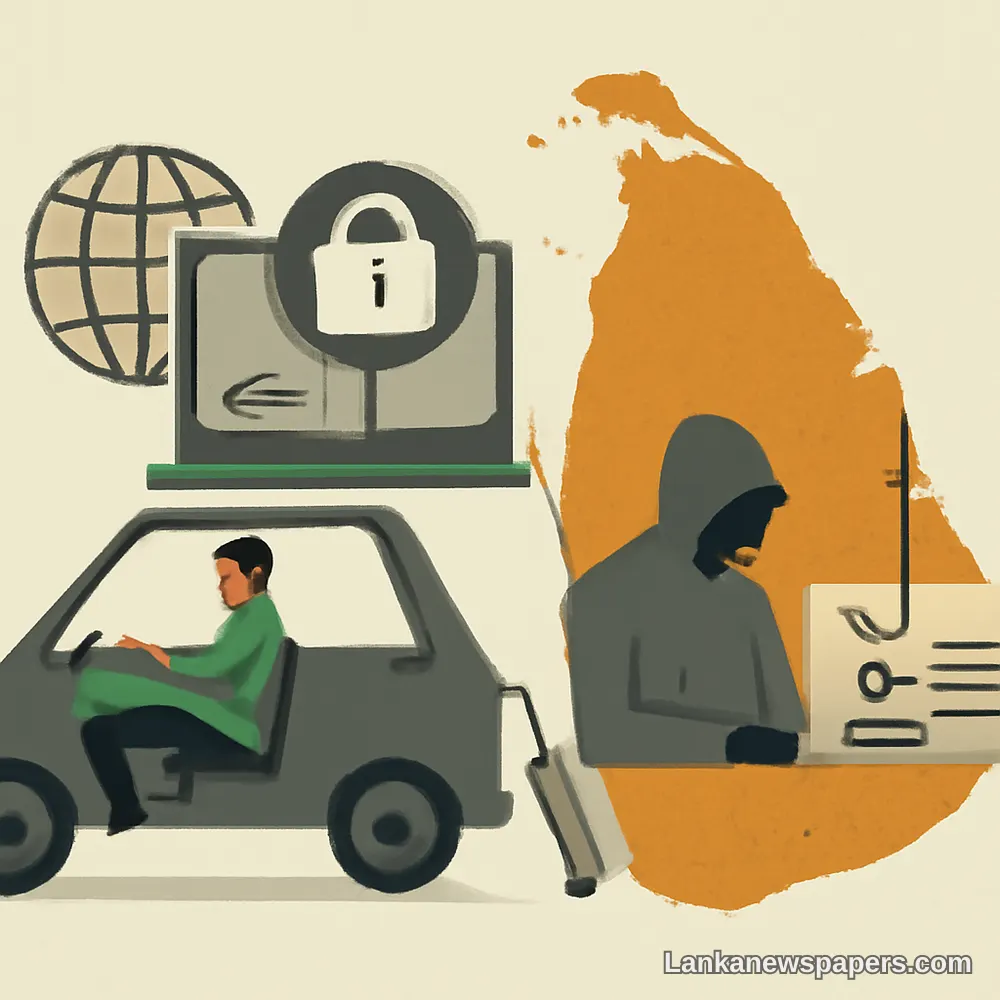
International cyber fraud networks that were dismantled or pushed out of Southeast Asian countries have increasingly turned their attention to Sri Lanka, establishing sophisticated criminal operations on the island that pose a growing threat to both local residents and international victims.
A Regional Crackdown Sends Criminals Searching for New Havens
Over the past several years, coordinated law enforcement operations across Myanmar, Cambodia, and the Philippines successfully disrupted large-scale cyber scam compounds that had been exploiting thousands of trafficked workers. Faced with mounting pressure, criminal syndicates began scouting alternative locations — and Sri Lanka emerged as an attractive destination due to gaps in regulatory oversight, relatively affordable infrastructure, and strategic geographic positioning.
Authorities and digital crime researchers have observed a notable uptick in organised cyber fraud activity operating from within Sri Lanka's borders, with networks employing tactics ranging from romance scams and cryptocurrency fraud to elaborate investment sting operations commonly referred to as "pig butchering."
How These Operations Function
These criminal enterprises typically follow a structured model that has been refined across multiple countries:
- Fraudsters pose as romantic interests or trusted financial advisers through social media and messaging platforms.
- Victims are gradually groomed before being encouraged to invest in fraudulent cryptocurrency or trading platforms.
- Once significant sums are deposited, the platforms vanish and contact is severed.
- Proceeds are laundered through complex networks of shell accounts and digital wallets.
Sri Lanka's Vulnerability
Experts warn that Sri Lanka's recent economic instability, combined with a young, digitally connected population facing unemployment pressures, creates conditions that criminal networks actively exploit — both as a base of operations and as a source of unwitting recruits.
Some individuals have reportedly been lured into these operations under false pretences of legitimate employment, only to find themselves coerced into conducting fraud on behalf of criminal bosses. This mirrors patterns documented extensively in Southeast Asian scam compounds, where trafficking and cyber crime became deeply intertwined.
Calls for Stronger Action
Digital rights advocates and law enforcement analysts are urging Sri Lankan authorities to strengthen cybercrime legislation, enhance international intelligence sharing with regional partners, and increase public awareness campaigns targeting vulnerable communities.
The same criminal architecture that devastated communities across Southeast Asia is now being reconstructed here. Sri Lanka must act decisively before these networks become fully entrenched.
The Criminal Investigation Department and the Sri Lanka Computer Emergency Readiness Team have previously flagged rising incidents of online fraud, though critics argue that dedicated resources and legal frameworks remain insufficient to address the scale of the emerging threat.
Members of the public are advised to exercise extreme caution when approached online by unknown individuals offering romantic connections or unsolicited investment opportunities, and to report suspicious activity to the relevant authorities without delay.



💬 Join the Discussion 1
See what readers are saying — and add your view.
these scammers always find somewhere new when they get caught no