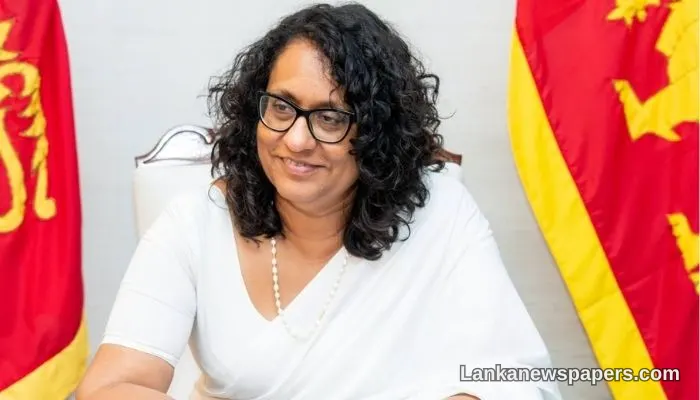
PM Raises Alarm Over Emerging Dengue Threat
Prime Minister Harini Amarasuriya has warned that a new strain of the dengue virus is behind the sharp rise in dengue fever cases being reported across Sri Lanka, raising fresh concerns among health authorities and the public alike.
A New Strain Complicating the Fight Against Dengue
The Prime Minister's remarks signal that the current outbreak is not simply a seasonal spike but may represent a more complex public health challenge. The emergence of a new dengue virus strain suggests that existing immunity among the population may offer limited protection, potentially contributing to the rapid spread of the disease.
Dengue fever, transmitted through the bite of the Aedes aegypti mosquito, has long been a persistent public health concern in Sri Lanka, with outbreaks recorded annually particularly during and after monsoon seasons. However, the introduction of a new strain adds an additional layer of difficulty for both prevention efforts and clinical management.
Public Urged to Remain Vigilant
Health experts consistently emphasise that the most effective way to combat dengue remains the elimination of mosquito breeding sites. Residents are advised to take the following precautionary steps:
- Remove stagnant water from containers, flowerpots, and discarded items around homes and workplaces.
- Use mosquito repellents and wear protective clothing, especially during early morning and evening hours.
- Seek immediate medical attention if symptoms such as high fever, severe headache, joint pain, or rash develop.
- Cooperate with health officials conducting fumigation and inspection drives in their areas.
Government Response Under Scrutiny
The Prime Minister's public acknowledgement of the new strain underscores the urgency with which the government is approaching the outbreak. Health authorities are expected to intensify surveillance and vector control operations island-wide in response to the growing caseload.
The emergence of a new dengue strain means we must be more vigilant than ever. This is not a threat we can take lightly, and both government institutions and the public must act together to contain its spread.
Sri Lanka has previously experienced devastating dengue outbreaks, including the record-breaking epidemic of 2017, which placed enormous strain on the country's healthcare system. Officials will be keen to prevent a repeat of such a scenario as the current situation continues to develop.
Citizens are encouraged to stay informed through official health advisories and to report potential mosquito breeding grounds to their local authorities without delay.



💬 Join the Discussion 3
See what readers are saying — and add your view.
every rainy season same thing, goverment only warns after ppl get sick
new strain means our old repellents wont work properly no?
thats what im worried about also, bought 3 bottles last week already