Sri Lanka Government Abandons Plan to Lower VAT Registration Threshold in Policy Reversal
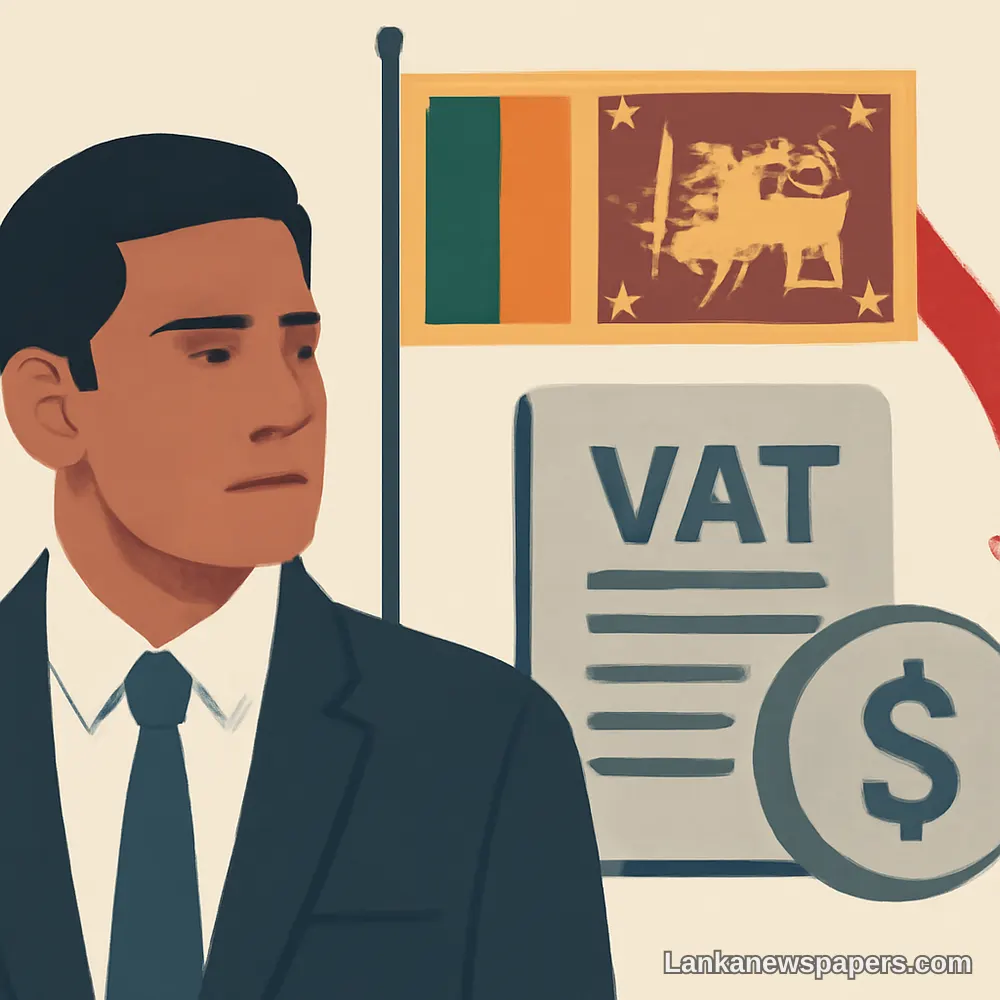
The Sri Lankan government has stepped back from a key tax reform measure, shelving a previously announced plan to reduce the Value Added Tax (VAT) registration threshold — a move analysts are describing as a significant political and economic about-turn.
What Was Originally Planned?
As part of Sri Lanka's ongoing economic reform programme, authorities had proposed lowering the VAT registration threshold, a measure intended to bring more businesses into the formal tax net and broaden the country's revenue base. The reform was widely seen as a critical step in meeting fiscal consolidation targets tied to the International Monetary Fund's bailout programme.
Why the Reversal?
The government has now opted not to proceed with the threshold reduction, citing a combination of political pressures and evolving economic considerations. The decision marks a notable departure from the reform roadmap that had been communicated to both domestic stakeholders and international creditors.
Small and medium-sized enterprises had raised strong objections to the proposed change, warning that a lower threshold would impose significant compliance burdens on businesses still struggling to recover from Sri Lanka's devastating economic crisis of recent years. Political representatives, particularly those with close ties to the trading and small business communities, reportedly amplified these concerns within government circles.
What Is the VAT Threshold?
The VAT registration threshold refers to the minimum annual turnover a business must exceed before it is legally required to register for VAT and charge the tax on its goods and services. Lowering this threshold would have drawn smaller businesses into the VAT system, increasing the number of registered taxpayers and theoretically boosting government revenues.
- Sri Lanka's current VAT rate stands at 18 percent, following an increase introduced as part of IMF-backed fiscal reforms.
- Expanding the VAT net through a lower threshold was viewed as complementary to that rate increase.
- Critics of the reversal argue it weakens the overall integrity of the tax reform agenda.
Implications for Sri Lanka's Reform Programme
The shelving of this measure raises fresh questions about the government's commitment to the structural reforms underpinning its IMF Extended Fund Facility arrangement. Fiscal discipline and revenue mobilisation remain central pillars of Sri Lanka's economic recovery strategy, and any perceived dilution of reform efforts could attract scrutiny from international lenders and rating agencies.
Broadening the tax base — rather than simply raising rates on existing taxpayers — has been consistently identified by economists as essential to placing Sri Lanka's public finances on a sustainable footing.
At the same time, supporters of the decision argue that protecting small businesses from additional administrative and financial burdens is a legitimate policy concern, particularly as household incomes and consumer spending remain under pressure.
What Happens Next?
It remains unclear whether the government intends to revisit the VAT threshold question at a later stage or pursue alternative measures to compensate for any shortfall in projected revenues. Observers will be watching closely to see how Sri Lanka's next IMF programme review addresses this development, and whether any conditions are attached regarding the country's revenue reform commitments going forward.
The reversal adds to a growing list of policy adjustments that have tested the boundaries of Sri Lanka's reform programme as the government navigates the difficult balance between economic necessity and political reality.

💬 Join the Discussion 2
See what readers are saying — and add your view.
finally some good news, small businesses were going to get crushed
yes but dont trust them, next month they will reverse the reversal