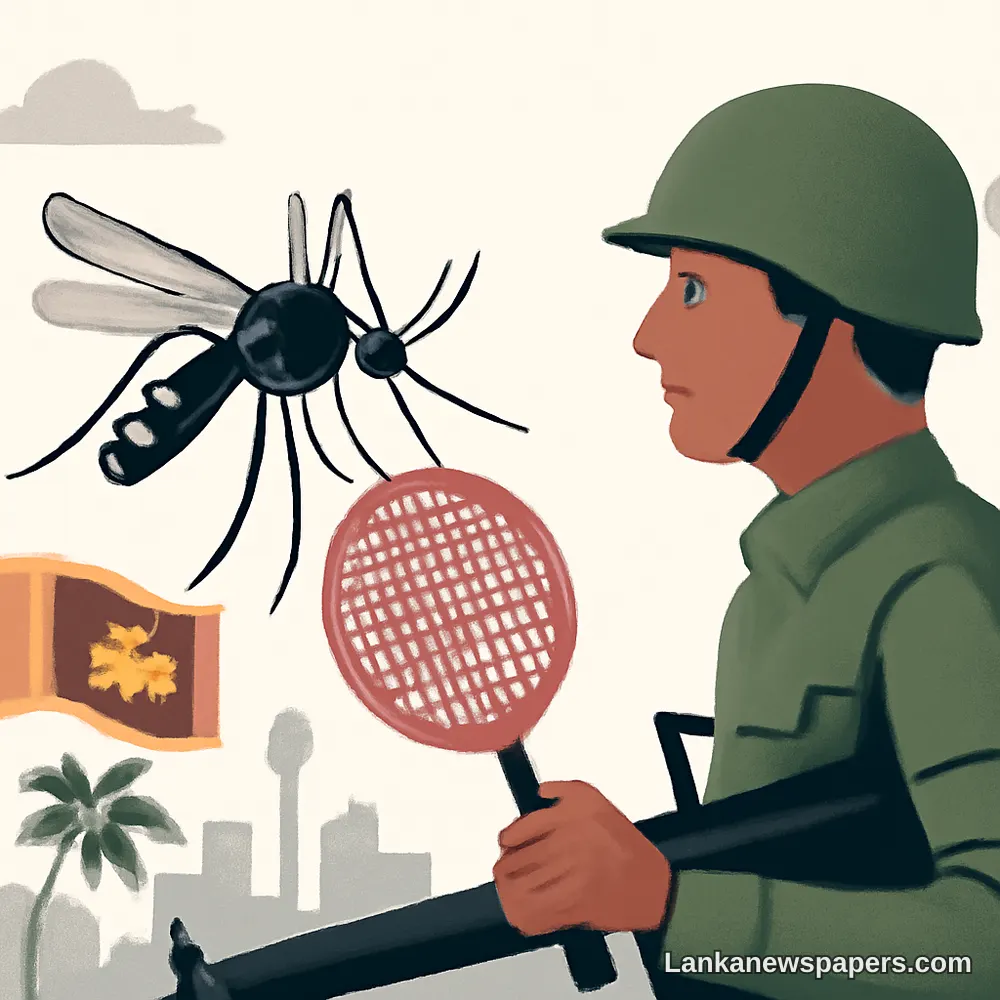
Sri Lanka has called in its military to assist in battling a rapidly worsening dengue fever outbreak that has been sweeping across the island, as health authorities scramble to bring the situation under control.
Armed Forces Mobilised for Public Health Emergency
In an extraordinary measure reflecting the severity of the crisis, the Sri Lankan government has deployed military personnel to support national efforts to curb the spread of dengue. Soldiers are being utilised to assist with ground-level operations, including the identification and elimination of mosquito breeding sites that fuel the transmission of the disease.
The decision to involve the armed forces underscores the scale of the outbreak, which has placed considerable strain on the country's healthcare system and raised serious concerns among public health officials.
A Mounting Public Health Crisis
Dengue fever, transmitted through the bite of the Aedes mosquito, is an endemic disease in Sri Lanka, with outbreaks typically intensifying during and after periods of heavy rainfall. However, the current surge has been notably severe, prompting authorities to escalate their response beyond routine public health measures.
Communities across multiple provinces have been affected, with hospitals reporting increased admissions of patients presenting with symptoms including high fever, severe headaches, muscle pain, and in more serious cases, haemorrhagic complications that can prove fatal if not treated promptly.
Government Urged to Act Swiftly
Health officials have urged the public to take immediate preventive steps to reduce mosquito breeding around their homes and workplaces. Key recommendations include:
- Emptying and scrubbing containers that collect stagnant water, such as flower pots, buckets, and water storage tanks
- Keeping gutters and drains clear to prevent water accumulation
- Using mosquito repellents and wearing protective clothing, particularly during peak mosquito activity hours
- Seeking prompt medical attention at the first signs of dengue infection
Authorities have also called on local government bodies and community organisations to actively participate in clean-up drives targeting potential mosquito breeding grounds in their respective areas.
A Recurring Challenge for the Island Nation
Sri Lanka has long grappled with seasonal dengue outbreaks, but the involvement of the military signals that this year's situation demands an exceptional level of national coordination and resource deployment. Officials are hopeful that a combined civilian and military effort will help to suppress mosquito populations and bring the outbreak under control before the situation deteriorates further.
Members of the public are encouraged to remain vigilant and cooperate fully with health and military personnel conducting inspections and awareness campaigns in their neighbourhoods.


💬 Join the Discussion 2
See what readers are saying — and add your view.
Finally doing something but why always military, no proper health system ah?
exactly, every problem army army, what about hospitals?