Long-Standing Practice to Be Discontinued
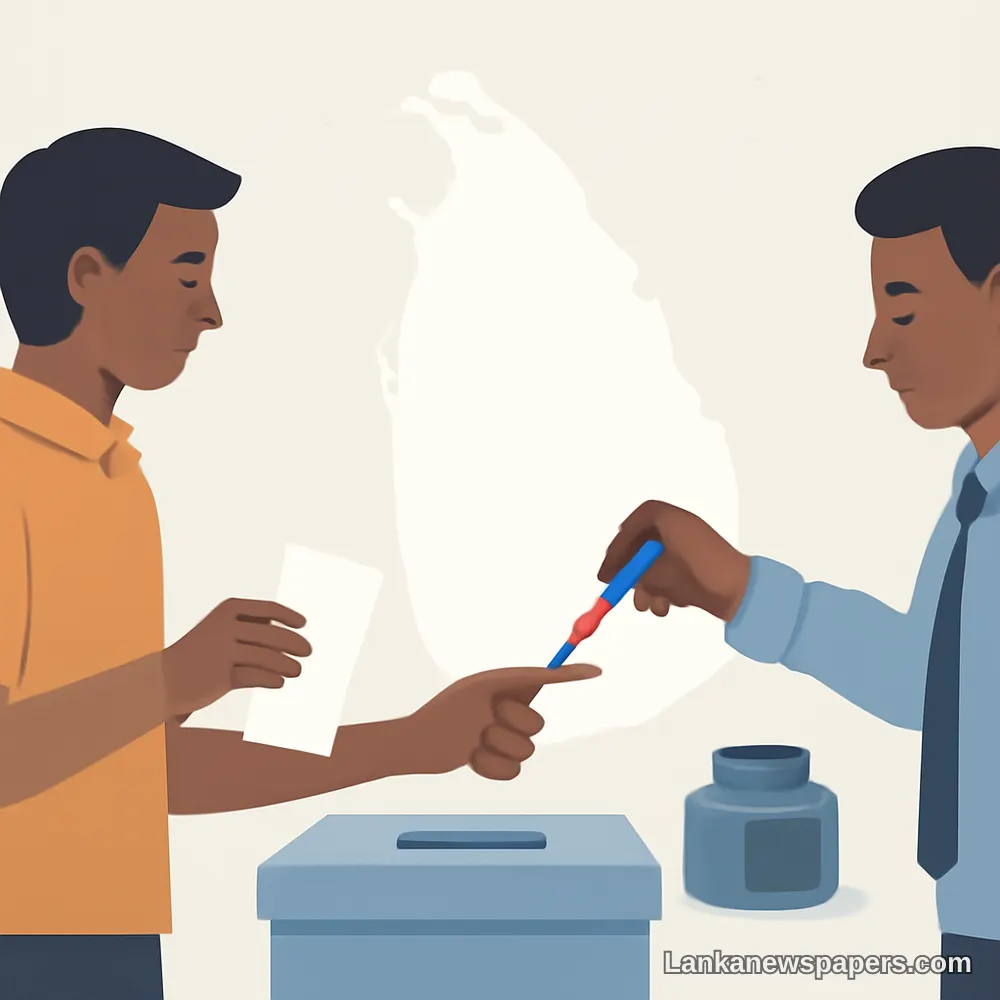
Sri Lanka is moving to eliminate the requirement for voters to have indelible ink applied to their fingers during elections, marking a significant shift in the country's long-established electoral procedures.
The use of indelible ink has been a familiar feature of Sri Lankan elections for decades, serving as a visible deterrent against individuals attempting to cast multiple votes at different polling stations. The ink, typically applied to a voter's finger upon casting their ballot, was designed to remain visible for a period of time sufficient to prevent fraudulent repeat voting.
A Shift in Electoral Safeguards
Authorities are now prepared to scrap the practice, reflecting growing confidence in alternative mechanisms available to election officials to maintain the integrity of the voting process. Modern voter verification methods and updated electoral rolls are among the tools increasingly relied upon to prevent impersonation and double voting.
The move signals a broader effort to modernise Sri Lanka's electoral framework and streamline the voting experience for citizens across the island.
What This Means for Voters
- Voters will no longer be required to have ink applied to their fingers at polling booths.
- Election officials are expected to rely on updated verification systems to prevent fraudulent voting.
- The change represents one of the more visible procedural reforms to Sri Lanka's election-day process in recent memory.
Further details regarding the timeline for implementation and any replacement safeguards are expected to be announced by the Elections Commission in due course. The reform is likely to draw both support from those who view it as a modernisation step and scrutiny from those concerned about maintaining robust anti-fraud measures at the ballot box.



💬 Join the Discussion 1
See what readers are saying — and add your view.
why remove it, the ink is the only thing stopping ppl from double voting