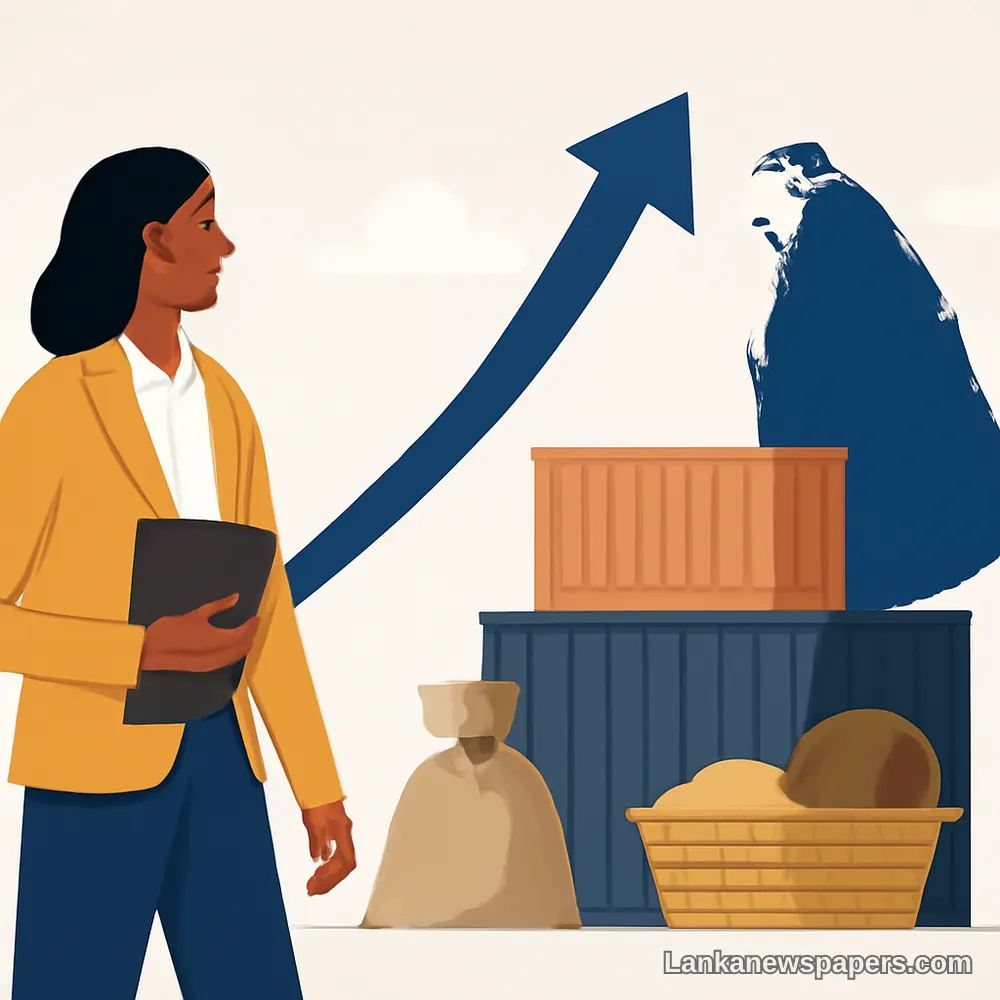
Sri Lanka's export sector has recorded a significant boost, with revenue jumping more than 18 percent in May 2026 compared to the same period the previous year, according to figures released by the Export Development Board (EDB).
The strong year-on-year growth signals continued momentum in the island nation's trade recovery, offering fresh optimism for policymakers and business leaders who have been closely monitoring the country's economic rebound following years of financial turbulence.
A Positive Signal for the Economy
The EDB data underscores the resilience of Sri Lanka's export sector, which has been a critical pillar in stabilising the country's foreign exchange earnings. A sustained increase in export revenues is particularly significant given the importance of hard currency inflows to meeting debt obligations and maintaining import capacity.
Analysts have noted that such a pronounced growth figure, surpassing 18 percent, reflects improving demand from key trading partners as well as efforts by local exporters to diversify their product offerings and expand into new markets.
Sectors Driving the Growth
Sri Lanka's export base spans several key industries that have traditionally driven foreign exchange earnings, including:
- Apparel and textiles
- Tea and agricultural produce
- Rubber-based products
- Spices and processed foods
- Industrial and electronic components
While the EDB has not broken down the May 2026 figures by individual sector in detail, growth across these categories has historically been the engine behind monthly export performance.
Broader Economic Context
The strong export performance comes as Sri Lanka continues to work through its International Monetary Fund-backed economic reform programme. Boosting export revenue has been identified as a key priority in restoring fiscal stability and rebuilding foreign reserves to healthier levels.
An 18 percent-plus rise in monthly export revenue is a encouraging indicator that Sri Lanka's productive sectors are gaining traction on the global stage.
The government and the EDB have been actively promoting trade facilitation measures, investment in value-added production, and greater market access agreements to sustain and build upon this upward trajectory.
If the current trend holds through the latter half of 2026, annual export figures could see a notable improvement over previous years, providing a meaningful contribution to the country's broader economic stabilisation goals.



💬 Join the Discussion 3
See what readers are saying — and add your view.
which sectors drove this? garments only or others too
good news finally, but will the common ppl actually feel it
exactly, prices still same no, what difference does it make