Sri Lanka Flagged as Rising Hub for Online Scam Operations as Region-Wide Fraud Networks Expand
Island Nation Joins Notorious List of Cyber Fraud Hotspots
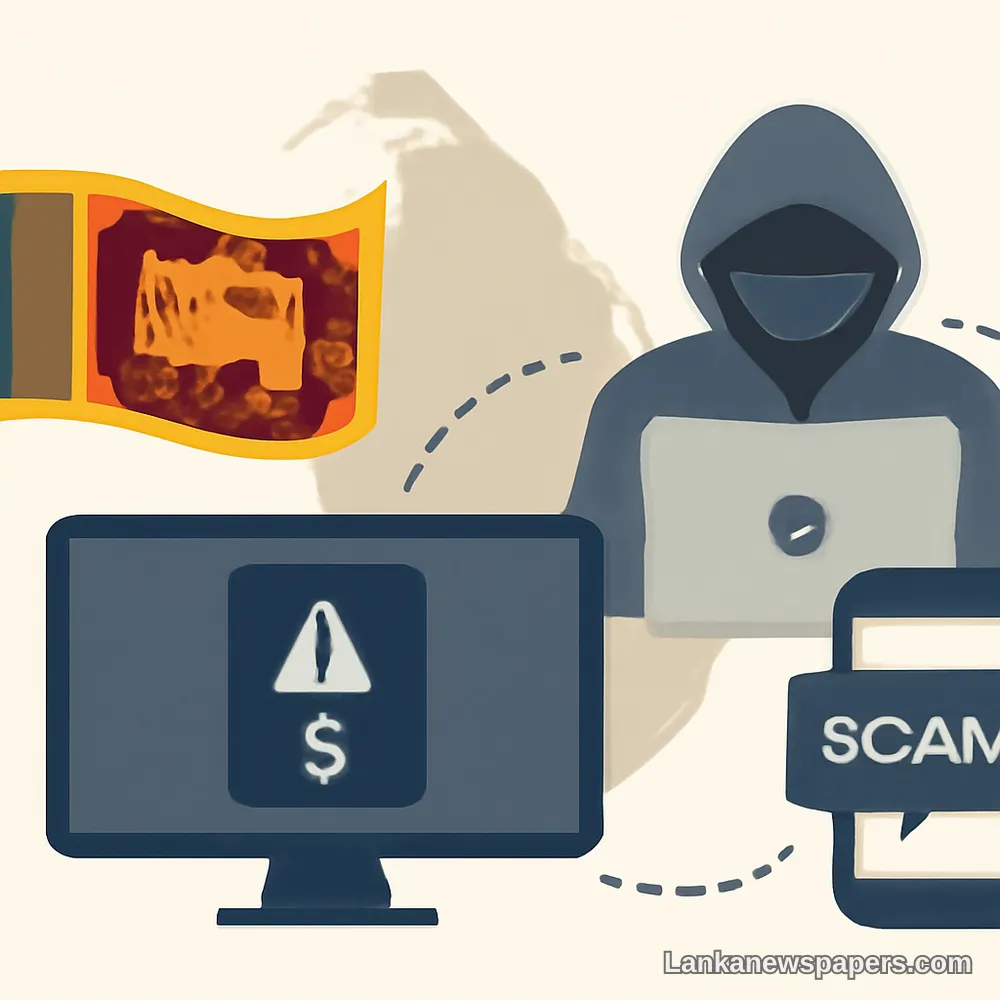
Sri Lanka has emerged as a significant new centre for organised online scam operations in Asia, drawing international concern as fraud networks previously concentrated in Cambodia and Myanmar increasingly shift their activities to the island nation, according to a report by Nikkei Asia.
A Shifting Landscape of Cyber Crime
For years, Cambodia and Myanmar were identified as the primary bases for large-scale online fraud syndicates, many of which operated out of compounds where trafficked individuals were forced to conduct scams targeting victims across the globe. As international pressure and law enforcement crackdowns intensified in those countries, criminal networks began seeking alternative locations — and Sri Lanka has reportedly become one of their preferred destinations.
The development raises serious questions about Sri Lanka's vulnerability to transnational organised crime at a time when the country is still navigating a fragile economic recovery following its worst financial crisis in decades.
How These Scam Operations Work
Online scam hubs typically operate through large, controlled compounds where workers — often lured under false pretences of legitimate employment — are compelled to run romance scams, cryptocurrency fraud, and other digital deceptions targeting unsuspecting individuals worldwide. Victims of these schemes have collectively lost billions of dollars across the globe.
- Workers are frequently trafficked from other countries and held against their will
- Operations involve sophisticated fraud techniques including fake investment platforms
- Syndicates exploit weak regulatory environments and corruption to establish bases
- Proceeds are laundered through complex financial networks spanning multiple jurisdictions
Implications for Sri Lanka
The identification of Sri Lanka as an emerging hub is a troubling development for a country already under pressure to demonstrate governance credibility to international financial institutions and foreign investors. Anti-money laundering compliance and efforts to combat transnational crime are closely watched by bodies such as the Financial Action Task Force (FATF), and any perception of Sri Lanka as a permissive environment for organised crime could have far-reaching consequences.
Sri Lanka's emergence on this list signals an urgent need for authorities to strengthen border controls, financial monitoring, and inter-agency cooperation to prevent the country from becoming a permanent fixture in the regional cyber crime ecosystem.
A Call for Urgent Action
Security analysts and human rights advocates have repeatedly stressed that tackling these operations requires more than isolated arrests — it demands systemic reform, regional cooperation, and strong political will. For Sri Lanka, the moment to act decisively is now, before the country's reputation and institutional integrity are further compromised by the expansion of these criminal networks onto its shores.
Authorities have yet to issue a comprehensive public statement outlining specific measures being taken to address the threat, leaving civil society and concerned citizens awaiting a clear and credible response from the government.



💬 Join the Discussion 1
See what readers are saying — and add your view.
this is what happens when goverment cant control these call center operations