The Battle for Colombo: How China's Assertive Diplomacy is Reshaping Sri Lanka's Strategic Landscape
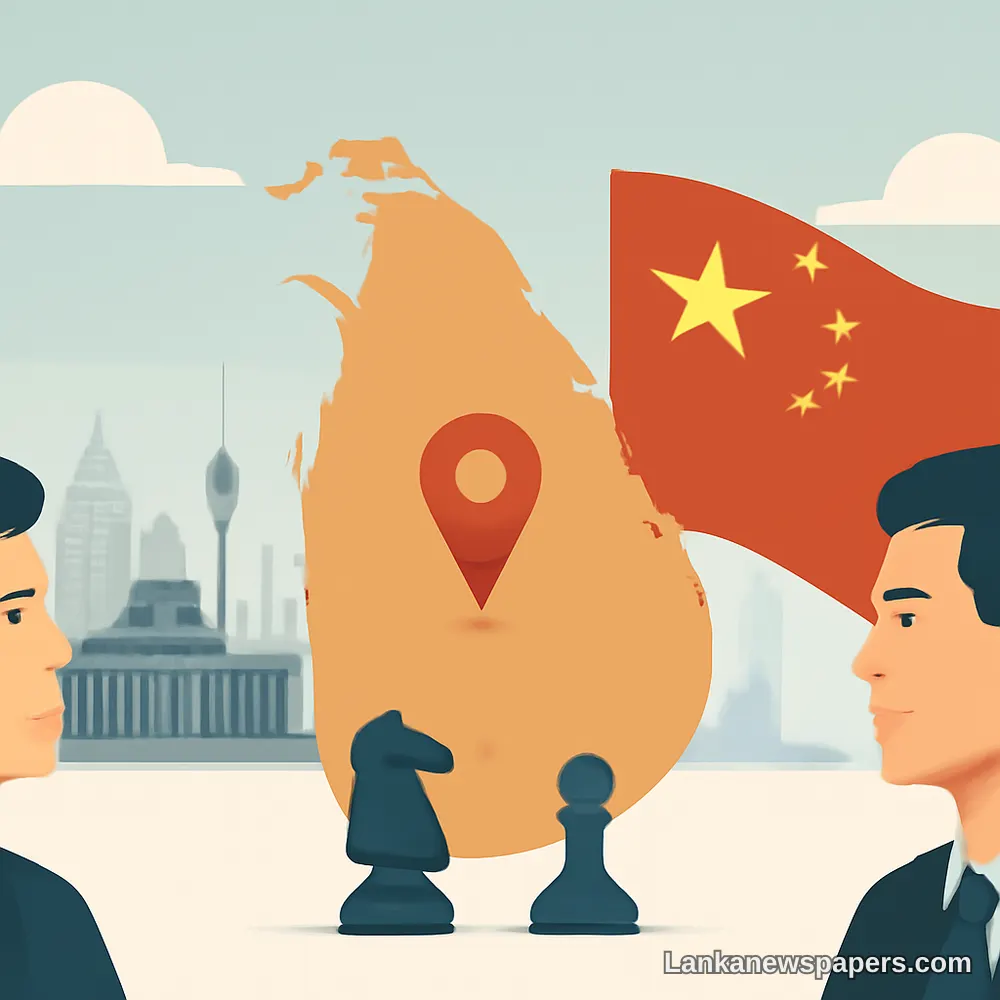
Sri Lanka has long occupied a pivotal position in the Indian Ocean, and in recent years that geography has made the island nation the focal point of an intensifying geopolitical contest — one in which China's increasingly assertive diplomatic manoeuvres are drawing sharp attention from regional analysts and policymakers alike.
Symbolic Gestures With Strategic Weight
What may appear on the surface as routine diplomatic engagement — port visits, infrastructure pledges, high-level delegations — carries far deeper significance when viewed through the lens of great power competition. China has consistently leveraged symbolic diplomacy in Colombo to signal its enduring interest in Sri Lanka, even as the island republic navigates a delicate balancing act between competing global powers.
Analysts note that Beijing's approach goes well beyond traditional development assistance. Each diplomatic overture is carefully calibrated to reinforce China's narrative as Sri Lanka's most dependable partner, particularly at moments when the country remains vulnerable following its devastating economic crisis.
A Stage for Competing Influences
Sri Lanka finds itself at the centre of overlapping spheres of influence, with China, India, and Western powers each vying for strategic footing on the island. For Beijing, Colombo represents a critical node in its broader Indian Ocean strategy, offering potential access to sea lanes that carry an enormous volume of global trade.
India, meanwhile, watches these developments with understandable concern. New Delhi has historically regarded Sri Lanka as firmly within its own sphere of influence, and China's growing footprint — most visibly embodied by the controversial Hambantota Port lease — has prompted India to sharpen its own diplomatic and economic engagement with Colombo.
Debt, Dependency and Diplomatic Leverage
Critics of China's approach argue that its investment model creates structural dependencies that ultimately translate into political leverage. Sri Lanka's debt burden, a portion of which is owed to Chinese state entities, has fuelled ongoing debate about the true cost of Beijing's financial engagement.
Proponents of the relationship counter that Chinese investment filled a void that other partners were unwilling or unable to fill, and that Sri Lanka exercised sovereign agency in accepting those terms.
The question for Colombo is not simply who is offering the most attractive deal today, but whose partnership best serves Sri Lanka's long-term sovereignty and prosperity.
Sri Lanka's Balancing Act
Sri Lankan officials have consistently maintained a policy of non-alignment, insisting that the country will not allow itself to become a pawn in any great power rivalry. President Anura Kumara Dissanayake's administration has signalled a desire to engage pragmatically with all partners while safeguarding national interests.
However, sustaining that neutrality requires considerable diplomatic skill. As China grows more assertive and India more attentive, Sri Lanka's room for manoeuvre may gradually narrow — making every diplomatic signal from Colombo more consequential than ever.
Looking Ahead
The competition for influence in Sri Lanka is unlikely to diminish in the near future. If anything, the island's strategic importance in an era of renewed great power rivalry ensures that external pressure on Colombo will only intensify.
For Sri Lankans, the central challenge is ensuring that international competition translates into tangible national benefit — rather than entrenching vulnerabilities that outside powers can exploit for their own strategic ends.



💬 Join the Discussion 0
Be the first to share your view on this story.