Sri Lanka's Apparel Sector Faces Competitive Threat as US Forced Labour Tariffs Reshape Global Trade
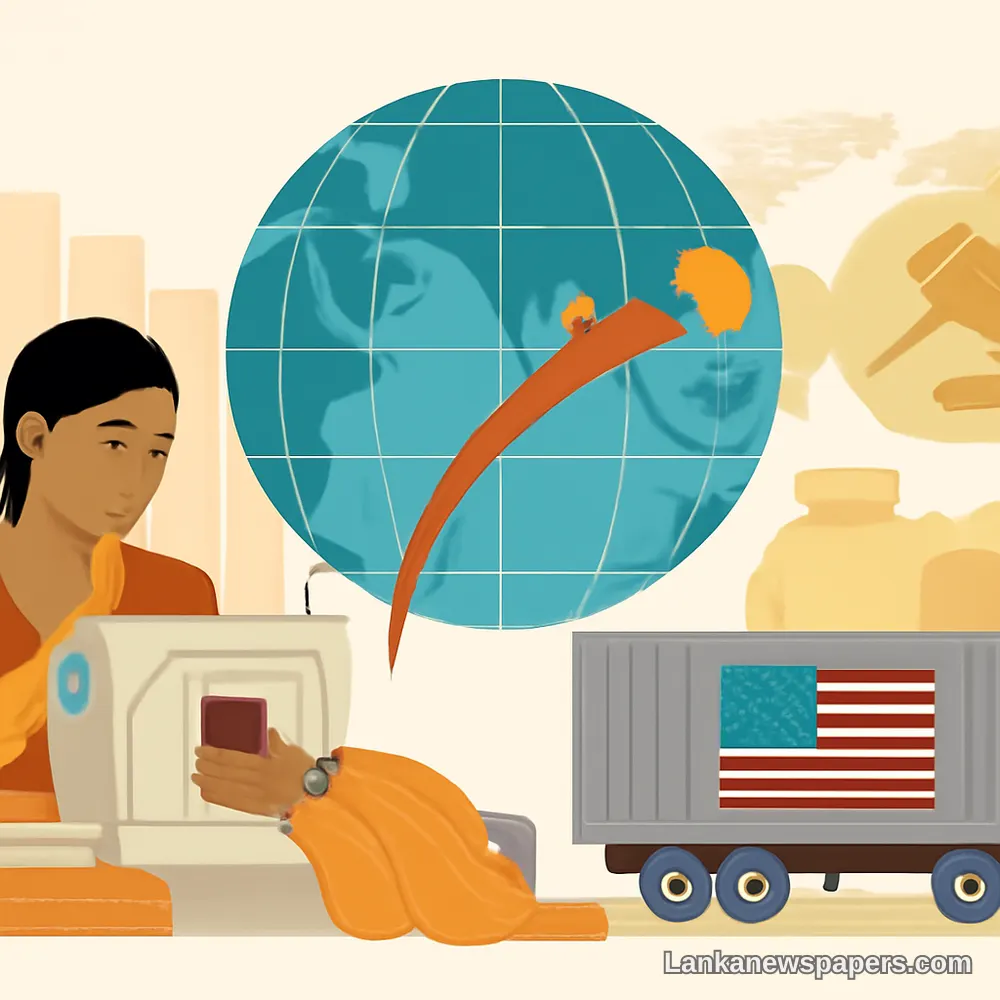
Sri Lanka's garment and apparel industry may be heading into turbulent waters as United States tariff measures targeting forced labour practices begin to reshape the competitive landscape of global textile trade, raising concerns among industry stakeholders about the island nation's positioning in key export markets.
A Shifting Trade Environment
The United States has been tightening its trade enforcement mechanisms in recent years, with legislation and tariff frameworks designed to penalise countries and manufacturers linked to forced labour practices. While Sri Lanka itself has not been directly accused of such violations, the ripple effects of these policies are being felt across the broader South and Southeast Asian apparel supply chain — and Sri Lanka is not immune.
Industry analysts warn that as certain competitor nations face restrictions or heightened scrutiny under US forced labour-linked tariffs, the resulting trade realignments could paradoxically disadvantage Sri Lanka if buyers redirect sourcing to markets that gain preferential treatment or exemptions.
What This Means for Lankan Exporters
Sri Lanka's apparel sector is one of the country's most vital foreign exchange earners, employing hundreds of thousands of workers — the majority of whom are women — and contributing significantly to national export revenue. Any erosion of competitiveness in the American market, which remains one of the largest destinations for Sri Lankan garments, would carry serious economic consequences.
- Sri Lanka's apparel exports to the US represent a substantial portion of the country's total garment trade
- The sector is already navigating post-economic crisis pressures, including rising production costs and energy prices
- Competing nations with lower labour costs continue to pose a structural challenge
Compliance as a Double-Edged Sword
Sri Lanka has long positioned itself as an ethical sourcing destination, with its "Garments Without Guilt" branding emphasising fair labour practices and worker welfare. This reputation could serve as an advantage as global buyers increase due diligence on supply chain ethics. However, analysts caution that ethical credibility alone may not be sufficient to offset price-based competition in a market increasingly shaped by geopolitical trade decisions.
Sri Lanka's strength lies in its compliance culture and skilled workforce, but the industry must now make that value proposition louder and more visible to international buyers navigating these new trade complexities.
Industry Calls for Strategic Response
Trade bodies and exporters are urging the Sri Lankan government to engage proactively with US trade authorities and to leverage the country's ethical manufacturing record in bilateral trade discussions. There are also calls for accelerating efforts to secure a formalised trade agreement with the United States that could provide Sri Lankan apparel with more stable and preferential market access.
As the global apparel trade continues to be reshaped by labour rights enforcement, geopolitical considerations, and shifting buyer priorities, Sri Lanka's industry faces the dual challenge of defending its existing market share while capitalising on opportunities created by disruptions elsewhere in the supply chain.



💬 Join the Discussion 0
Be the first to share your view on this story.