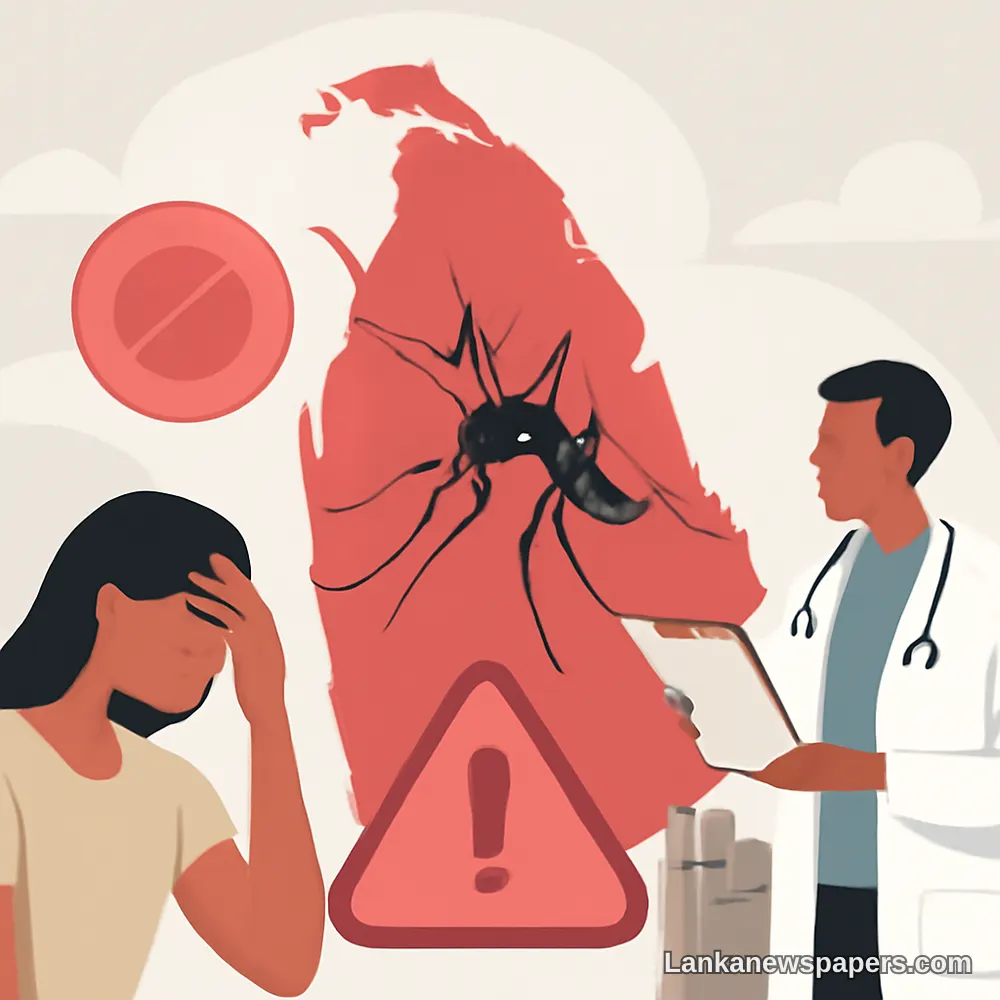
Island Nation Grapples With Rapid Rise in Dengue Infections
Sri Lanka is confronting a significant public health crisis as dengue fever cases this year have surpassed 44,000, raising serious concerns among health officials and communities across the island.
A Growing Threat to Public Health
The surge in dengue infections has placed considerable strain on the country's healthcare system, with hospitals in several districts reporting increased admissions of patients presenting with symptoms of the mosquito-borne illness. Health authorities are urging the public to remain vigilant and take preventive action to curb the spread of the disease.
Dengue fever, transmitted through the bite of the Aedes aegypti mosquito, remains one of the most persistent vector-borne diseases in Sri Lanka. The illness can range from mild flu-like symptoms to severe and potentially life-threatening complications, including dengue haemorrhagic fever.
Key Risk Factors and Warning Signs
Medical professionals are reminding the public to watch for early warning signs of dengue, which include:
- High fever lasting several days
- Severe headaches and pain behind the eyes
- Joint and muscle pain
- Skin rashes
- Nausea and vomiting
Anyone experiencing these symptoms is strongly advised to seek medical attention promptly rather than attempting self-treatment at home.
Prevention Remains the Priority
Health authorities have reiterated that eliminating mosquito breeding grounds is the most effective way to reduce dengue transmission. Residents are being encouraged to regularly empty or cover containers that collect stagnant water, including flower pots, discarded tyres, and water storage vessels.
Dengue prevention is a collective responsibility. Every household must play its part in removing stagnant water and keeping surroundings clean to protect not only their own families but the entire community.
With Sri Lanka's tropical climate and periodic rainfall creating favourable conditions for mosquito breeding, experts warn that the situation could worsen if immediate preventive measures are not widely adopted. Community-level awareness campaigns and coordinated fumigation drives are expected to be intensified in the weeks ahead.
Call for Community Action
Local government bodies, public health inspectors, and community health workers have been mobilised to conduct inspections and raise awareness at the grassroots level. Schools, workplaces, and religious institutions have also been called upon to participate in clean-up initiatives to eliminate potential mosquito habitats.
As Sri Lanka continues to navigate this public health challenge, authorities stress that swift, collective action at every level of society is essential to bring the dengue surge under control and protect lives across the country.


💬 Join the Discussion 2
See what readers are saying — and add your view.
every year same thing. goverment does nothing until ppl start dying.
exactly, drain cleaning only happens after the outbreak starts, useless.