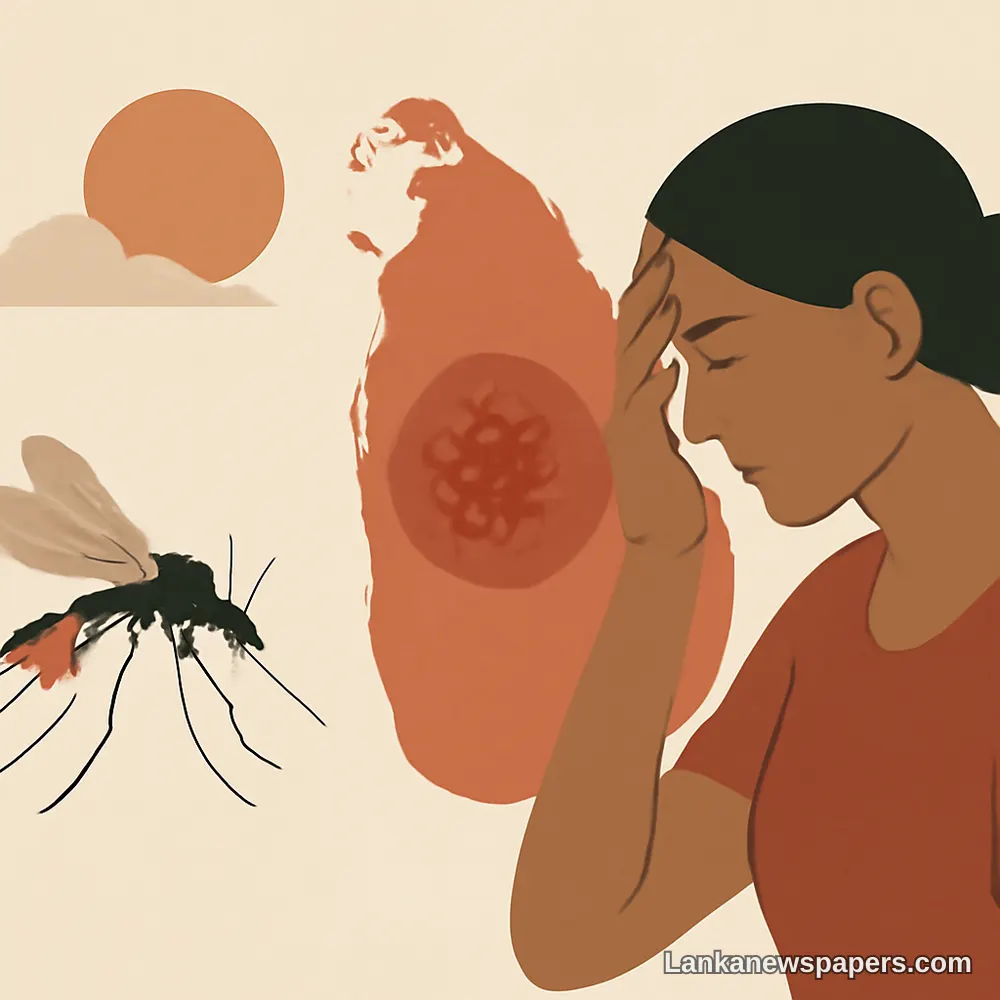
Sri Lanka is grappling with a significant surge in dengue fever cases in 2025, with the total number of infections recorded across the island surpassing 44,000 so far this year, raising serious public health concerns among authorities and medical professionals.
A Growing Public Health Emergency
The sharp rise in dengue cases has placed considerable pressure on the country's healthcare system, with hospitals in multiple provinces reporting increased admissions of patients suffering from the mosquito-borne illness. Health officials have described the situation as deeply alarming, urging the public to take immediate preventive measures to curb the spread of the disease.
Dengue fever, transmitted through the bite of the Aedes aegypti mosquito, is a recurring seasonal challenge for Sri Lanka. However, the scale of this year's outbreak has drawn heightened concern from both local and international health observers.
What the Public Should Know
Medical experts stress that early detection remains critical in preventing dengue from developing into its more severe and potentially fatal form, dengue haemorrhagic fever. Key warning signs include:
- High fever lasting several days
- Severe headaches and pain behind the eyes
- Joint and muscle pain
- Skin rashes
- Bleeding from the nose or gums
Prevention Remains the Best Defence
Health authorities continue to appeal to households and community organisations to eliminate stagnant water — the primary breeding ground for the Aedes mosquito. Common breeding sites include uncovered water tanks, discarded tyres, flower pots, and blocked drains.
Eliminating mosquito breeding sites at the community level is the single most effective way to bring this outbreak under control.
Government health teams have been conducting awareness campaigns and vector control operations in high-risk areas, though officials acknowledge that sustained public cooperation is essential to making a meaningful impact on the numbers.
Authorities Urge Vigilance
With the outbreak showing little sign of slowing, Sri Lankans are being urged to seek medical attention promptly if symptoms of dengue appear, rather than attempting home treatment in the early stages. Officials have also reminded the public that dengue has no specific cure, making prevention and timely medical care the most effective tools available in combating the disease's spread.


💬 Join the Discussion 1
See what readers are saying — and add your view.
every year same story, goverment does nothing until ppl start dying