Warning Issued as New Dengue Strain Threatens to Drive Up Infections Across Sri Lanka
Emerging Strain Poses Fresh Public Health Challenge
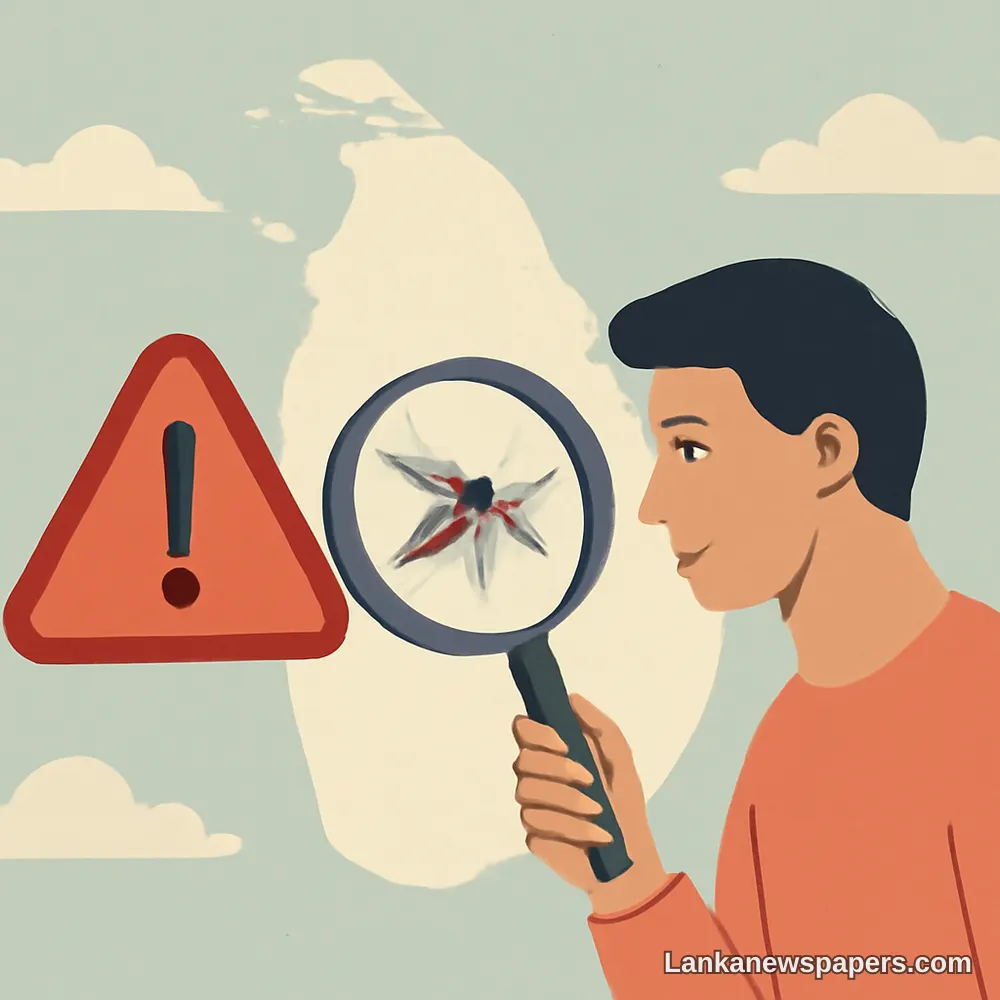
Health authorities in Sri Lanka are on heightened alert following the identification of a new dengue strain that experts warn could significantly increase the risk of infection across the island. The development has prompted urgent calls for both the public and relevant institutions to strengthen preventive measures without delay.
What Makes This Strain a Concern
Dengue fever, transmitted through the bite of the Aedes aegypti mosquito, has long been a recurring public health burden in Sri Lanka. However, the emergence of a new strain introduces fresh complexities, as existing immunity built up in the population from previous infections may offer limited protection against this latest variant. This raises the prospect of broader and potentially more severe outbreaks if swift containment action is not taken.
Vulnerable Communities at Greater Risk
Medical professionals have noted that individuals who have previously contracted dengue are not necessarily shielded from reinfection when a new strain is in circulation. In some cases, a second dengue infection can lead to more serious complications, including dengue haemorrhagic fever, making early detection and treatment critically important.
Preventive Steps the Public Should Take
Citizens are strongly urged to take the following precautions to reduce mosquito breeding and limit exposure:
- Remove stagnant water from containers, flower pots, tyres, and other receptacles around the home
- Use mosquito repellents and wear long-sleeved clothing, especially during dawn and dusk
- Ensure doors and windows are fitted with proper screens or nets
- Seek immediate medical attention if symptoms such as high fever, severe headache, pain behind the eyes, or skin rashes develop
- Cooperate with local health officials during inspection and fogging operations
Authorities Urged to Act Swiftly
Public health advocates have called on the Ministry of Health and local government bodies to intensify surveillance, accelerate community-level awareness campaigns, and ensure that hospitals and clinics are adequately equipped to handle a potential surge in dengue cases. Given Sri Lanka's tropical climate and dense urban settlements, conditions remain highly favourable for mosquito proliferation, particularly during and after periods of heavy rainfall.
Early identification of the strain and a coordinated public response will be decisive in preventing this situation from escalating into a full-scale outbreak.
Sri Lanka has historically recorded thousands of dengue cases annually, with periodic spikes causing strain on the healthcare system. The emergence of a new strain serves as a stark reminder that vigilance must be maintained year-round, and that community participation remains the single most effective tool in the fight against this preventable disease.



💬 Join the Discussion 1
See what readers are saying — and add your view.
every year same thing, goverment does nothing until ppl start dying