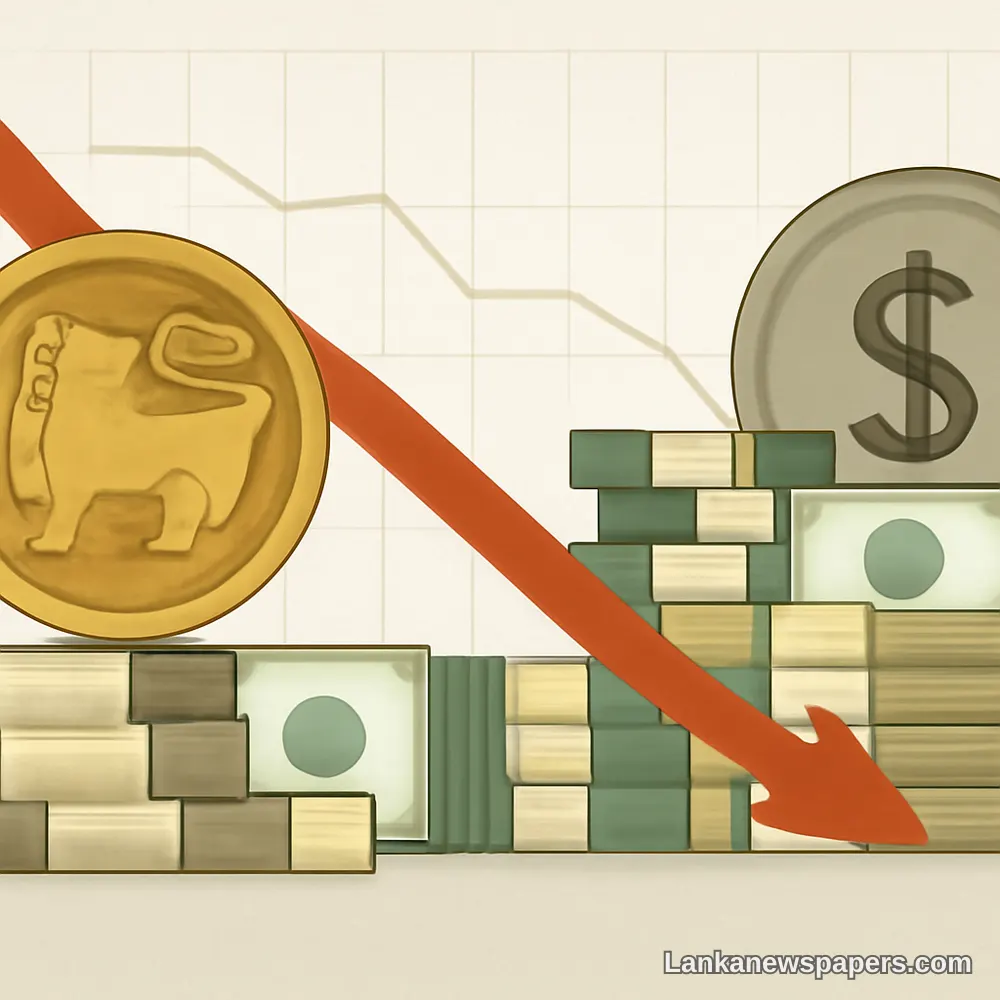
The Sri Lankan rupee has depreciated by approximately 7% against the United States dollar in 2026, marking a notable setback for the local currency as the island nation continues to navigate its post-crisis economic recovery.
Currency Under Pressure
The decline reflects renewed pressure on the rupee, which had shown signs of stabilisation in the aftermath of Sri Lanka's severe economic crisis in 2022. A 7% depreciation within a single year raises fresh concerns among economists, importers, and ordinary consumers who remain sensitive to fluctuations in the exchange rate.
A weaker rupee typically translates into higher costs for imported goods, including fuel, medicines, and essential food items — burdens that fall disproportionately on low- and middle-income households across the country.
Implications for the Economy
The depreciation comes at a critical juncture for Sri Lanka, which is still working through the terms of its International Monetary Fund bailout programme and restructuring agreements with bilateral and commercial creditors. Currency weakness can complicate debt repayment obligations denominated in foreign currencies and may add to inflationary pressures that the Central Bank of Sri Lanka has worked hard to bring under control.
- Import costs are expected to rise, particularly for fuel and consumer goods
- Debt servicing costs on foreign-currency obligations could increase
- Exporters and remittance recipients may benefit from the weaker rupee
- Inflation risks could re-emerge if the depreciation continues
A Double-Edged Sword
While a depreciating rupee poses challenges for consumers and policymakers, it does carry some advantages for certain sectors of the economy. Sri Lanka's export industries — including garments, tea, and rubber — stand to gain competitive pricing advantages in global markets. Similarly, the millions of Sri Lankan workers abroad who send remittances home will see their families receive more rupees per dollar transferred.
Nevertheless, the overall impact on an economy still in recovery mode is viewed with caution by financial analysts, who will be closely watching the Central Bank's response and any adjustments to monetary policy in the months ahead.
A 7% depreciation in a single year is a figure that demands careful attention from policymakers, particularly as Sri Lanka works to restore macroeconomic stability and rebuild public confidence in its financial system.
Authorities and market observers will be monitoring exchange rate movements closely as the year progresses, with the trajectory of the rupee seen as a key indicator of the broader health of Sri Lanka's ongoing economic recovery.


💬 Join the Discussion 2
See what readers are saying — and add your view.
again the goverment doing nothing while our money loses value
what can they do machan, dollar is strong everywhere now