Sri Lanka Faces Flood Threat as El Niño Set to Bring Heavy Rainfall Later This Year
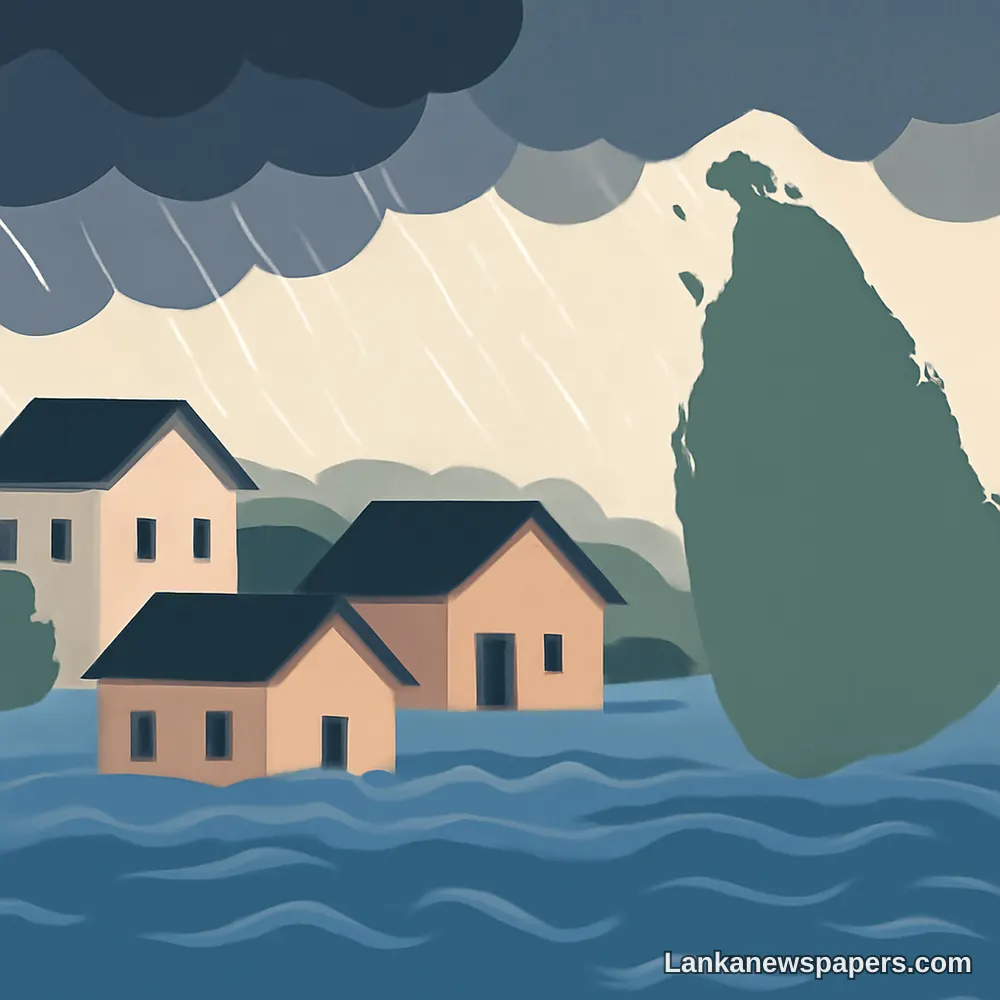
Sri Lankan authorities have issued a warning that the El Niño weather phenomenon could bring intense rainfall and heightened flood risks to the island later this year, urging communities and relevant agencies to prepare for potentially severe conditions.
What Is El Niño and Why Does It Matter for Sri Lanka?
El Niño is a periodic climate pattern characterised by the warming of surface waters in the central and eastern tropical Pacific Ocean. This shift in ocean temperatures disrupts normal weather patterns across the globe, and Sri Lanka — with its tropical climate and geography — is particularly vulnerable to the downstream effects of such events.
Officials have noted that when El Niño conditions intensify, they can trigger above-normal precipitation across parts of South Asia, raising the likelihood of flash floods, landslides, and widespread inundation in low-lying areas of the country.
Authorities Sound the Alarm
Government officials have confirmed that monitoring of the evolving El Niño pattern is ongoing, and early indicators suggest that Sri Lanka could experience heavier-than-usual rainfall during the latter part of the year. Disaster management and meteorological bodies are reportedly on heightened alert in anticipation of the changing conditions.
The warnings come as Sri Lanka continues to grapple with the aftermath of previous flood events that have repeatedly displaced thousands of families and caused significant damage to infrastructure, agriculture, and livelihoods across multiple districts.
Flood-Prone Districts at Greatest Risk
Several regions of the country have historically borne the brunt of extreme weather, including low-lying coastal zones and areas adjacent to major river basins. Authorities are expected to place special focus on districts that have previously recorded severe flooding, ensuring that early warning systems are operational and evacuation plans are in place well ahead of time.
What the Public Should Know
Residents, particularly those in vulnerable areas, are being encouraged to remain vigilant and heed official advisories as the situation develops. Key precautions recommended during flood-risk periods include:
- Staying informed through official weather updates and government announcements
- Avoiding construction or habitation in identified high-risk flood zones
- Preparing emergency kits with essential supplies including food, water, and medicines
- Knowing the nearest evacuation routes and shelter locations
- Reporting unusual water level rises or drainage blockages to local authorities promptly
A Call for Proactive Preparedness
Officials have stressed that early preparation and community awareness are the most effective tools in minimising the human and economic toll of weather-related disasters.
As the year progresses and El Niño conditions potentially strengthen, Sri Lanka's disaster management apparatus will need to operate at full capacity. Coordination between national meteorological services, local government bodies, and community-level organisations will be critical in ensuring that vulnerable populations receive timely warnings and adequate support.
The public is advised to follow updates from the Department of Meteorology and the Disaster Management Centre for the latest information on weather conditions across the island.


💬 Join the Discussion 0
Be the first to share your view on this story.