Sri Lanka Considers Desalination to Secure Drinking Water as Drought Threat Looms
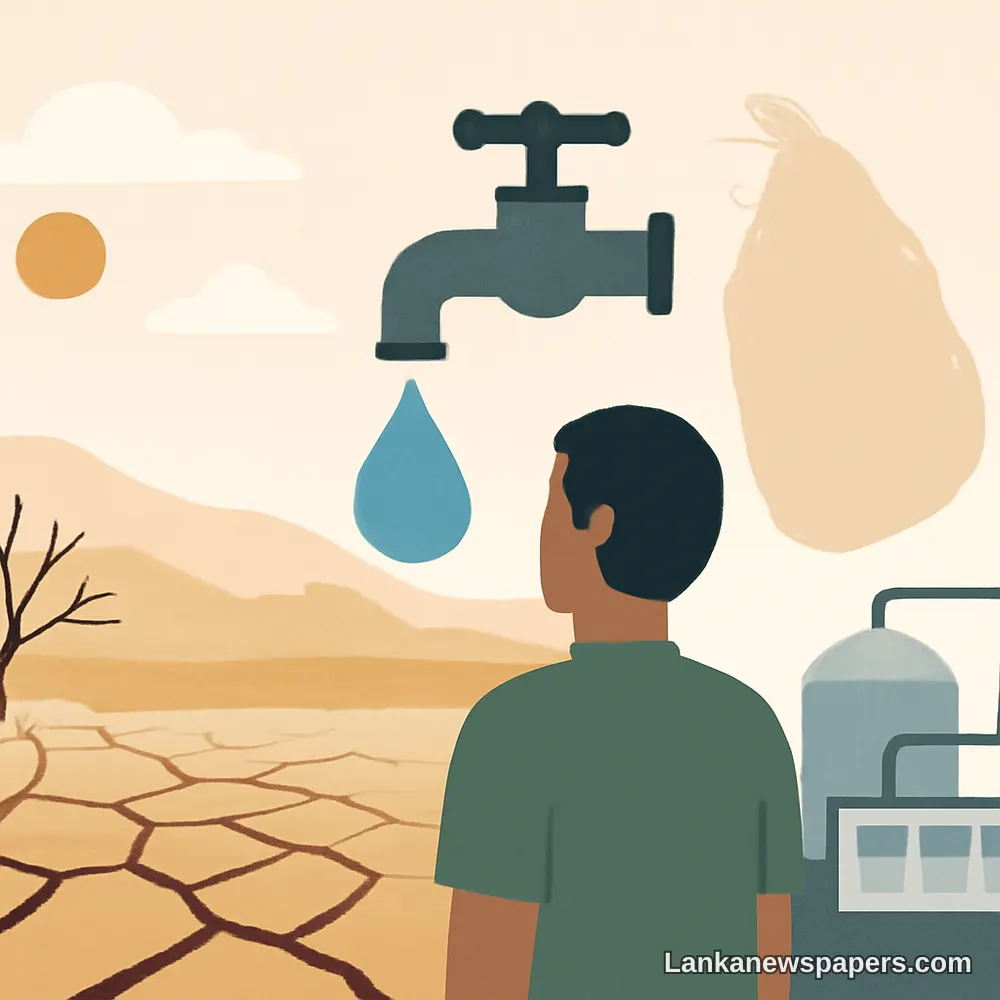
Sri Lanka is exploring the possibility of converting seawater into drinking water as the island nation braces for the growing threat of drought and increasing pressure on its freshwater resources.
A Serious Look at Desalination
Authorities are now seriously considering seawater desalination as a long-term solution to the country's drinking water challenges. The move reflects mounting concern among policymakers about the reliability of traditional water sources, particularly as changing weather patterns continue to disrupt rainfall across the island.
Desalination — the process of removing salt and other dissolved minerals from seawater to make it suitable for human consumption — has already been adopted by several water-stressed nations around the world, including Singapore, Saudi Arabia, and Australia. Sri Lanka, surrounded by ocean on all sides, holds a significant geographic advantage should it choose to pursue this path.
Drought Fears Drive Policy Rethink
Sri Lanka has faced recurring drought conditions in recent years, with reservoirs and groundwater levels falling critically low in several regions. Agriculture, which remains a cornerstone of the rural economy, has been among the hardest hit, but domestic water supplies have also come under strain in both urban and rural communities.
The prospect of more frequent and severe dry spells, driven in part by climate change, has prompted water resource planners to look beyond conventional solutions such as reservoir expansion and rainwater harvesting.
Challenges Ahead
While the idea of tapping the ocean for drinking water offers promise, experts caution that desalination comes with considerable challenges, including:
- High capital and operational costs associated with building and maintaining desalination plants
- Significant energy consumption, which could strain Sri Lanka's already pressured power grid
- Environmental concerns related to the disposal of concentrated saltwater brine back into the ocean
- The need for skilled technical expertise to manage such infrastructure
A Strategic Opportunity
Despite these hurdles, proponents argue that investing in desalination now could prove far less costly than dealing with the economic and humanitarian consequences of prolonged water shortages in the future. Sri Lanka's extensive coastline, spanning over 1,300 kilometres, means potential plant sites are plentiful.
As climate pressures intensify, securing safe drinking water for all Sri Lankans must become a national priority — and no viable option should be left off the table.
The government has yet to announce a formal policy decision or timeline on the matter, but the fact that desalination is now part of the national conversation signals a significant shift in how Sri Lanka is thinking about its water security future.

💬 Join the Discussion 4
See what readers are saying — and add your view.
Drought is real issue here. better do something than wait till taps run dry.
Desalination is expensive no, who paying for all this in the end?
Finally goverment thinking ahead, but will they actually do it or just talk?
Exactly, how many years they been "considering" things and nothing happens.