Apparel Firm Shuts Gates on Employees Who Raised Concerns Over Employment Stability
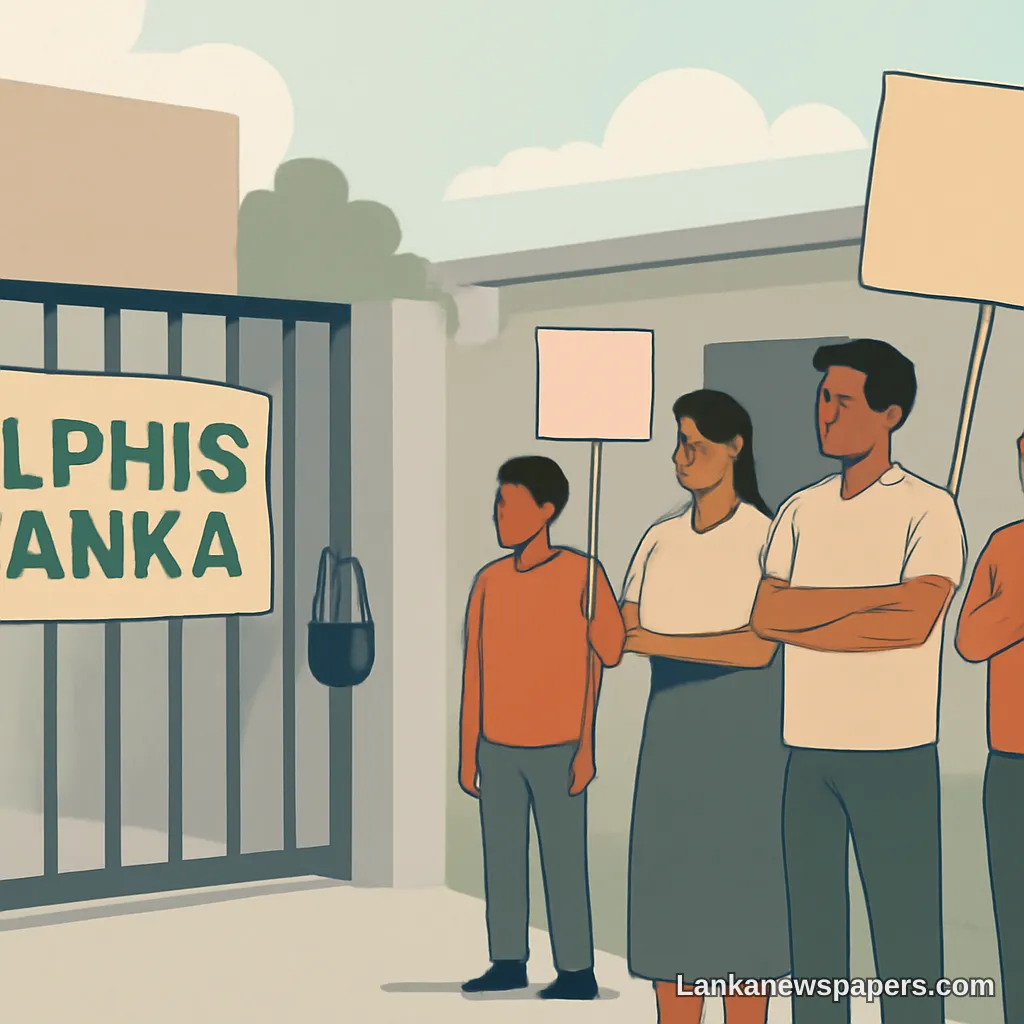
Workers at Sri Lankan apparel manufacturer Elphis Lanka have been locked out of their workplace after taking collective action to demand greater job security, in a development that has drawn fresh attention to labour rights conditions within the country's garment industry.
The lockout came as a direct response to employees who organised and voiced concerns over the stability of their employment, raising questions about the treatment of workers in a sector that remains one of Sri Lanka's most significant export earners and employers.
A Sector Under Scrutiny
Sri Lanka's apparel industry has long been a cornerstone of the national economy, providing livelihoods for hundreds of thousands of workers, the majority of whom are women. However, labour advocates have repeatedly highlighted ongoing challenges faced by workers in the sector, including concerns around job security, wages, and the right to organise.
The incident at Elphis Lanka is being seen by worker rights observers as a troubling example of how employees who speak out or take collective action can face punitive consequences rather than meaningful dialogue with management.
Workers' Demands and Management Response
The affected employees had taken action specifically to press for assurances regarding the security of their jobs. Rather than entering into negotiations or addressing the workers' concerns through established industrial relations processes, the company responded by locking out those involved.
A lockout — where an employer prevents workers from entering the workplace — is considered one of the most severe responses an employer can take during a labour dispute, and its use in response to demands for basic job security has alarmed trade unionists and labour rights advocates.
Broader Implications for Labour Rights
The situation at Elphis Lanka highlights wider tensions within Sri Lanka's manufacturing sector at a time when the country continues to navigate a challenging economic environment. Workers across multiple industries have grown increasingly vocal about employment conditions amid economic pressures that have squeezed household incomes.
- Sri Lanka's apparel sector accounts for a significant share of the country's export revenue
- The industry employs a large proportion of female workers, many of whom are primary breadwinners
- Labour rights groups have long called for stronger legal protections and enforcement mechanisms for garment workers
Labour rights organisations are expected to monitor the situation closely, with calls growing for the relevant authorities to intervene and ensure that the rights of the locked-out workers are upheld in accordance with Sri Lankan labour law.
Workers taking legitimate action to safeguard their livelihoods should be met with dialogue and fair process — not punitive lockouts that leave families without income.
As of the time of reporting, it remains unclear when or whether the affected workers will be permitted to return to their posts. No official statement from Elphis Lanka management had been made publicly available addressing the matter in detail.

💬 Join the Discussion 0
Be the first to share your view on this story.