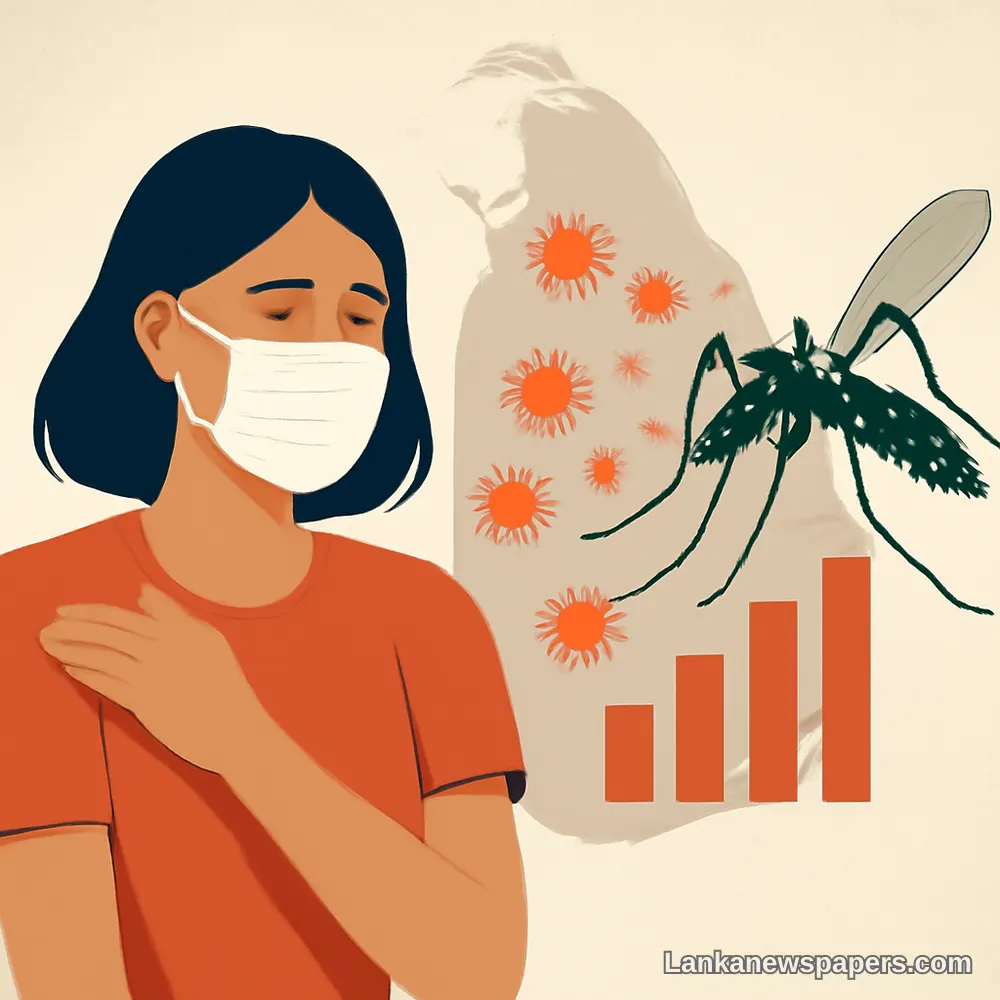
Alarming Rise in Dengue Infections Grips the Nation
Sri Lanka is facing a serious public health challenge as the number of reported dengue fever cases has surpassed 76,000, raising urgent concerns among health authorities and the wider community across the island.
The sharp rise in infections signals a significant escalation in the country's ongoing battle against the mosquito-borne disease, which continues to place mounting pressure on healthcare facilities and medical personnel nationwide.
A Persistent Threat to Public Health
Dengue fever, transmitted through the bite of the Aedes aegypti mosquito, has long been a recurring public health concern in Sri Lanka. However, the current surge in case numbers points to an outbreak of particular severity, with communities in both urban and rural areas reported to be affected.
Health experts have consistently warned that stagnant water collections — common during periods of heavy rainfall — serve as prime breeding grounds for the mosquito species responsible for spreading the virus, making seasonal vigilance critical.
What the Public Can Do
Authorities urge all Sri Lankan residents to take proactive steps to reduce the risk of dengue transmission within their households and neighbourhoods. Recommended preventive measures include:
- Eliminating stagnant water from flowerpots, tyres, gutters, and other containers around the home
- Using mosquito repellents and wearing protective clothing, particularly during dawn and dusk
- Ensuring window and door screens are intact to prevent mosquitoes from entering living spaces
- Seeking immediate medical attention if symptoms such as high fever, severe headaches, or joint pain develop
Collective Responsibility Required
Dengue prevention is not solely the responsibility of the government — every household and community must play an active role in eliminating breeding sites and protecting one another.
As the case count continues to climb, health officials are expected to intensify surveillance, fumigation drives, and public awareness campaigns in the most severely affected districts. The coming weeks will be critical in determining whether the outbreak can be brought under control before it places further strain on an already stretched public health system.
Sri Lankans are encouraged to remain vigilant, stay informed through official health advisories, and cooperate fully with local authorities conducting mosquito control operations in their areas.



💬 Join the Discussion 0
Be the first to share your view on this story.