IMF Releases Another $695 Million to Sri Lanka, But Economic Challenges Persist
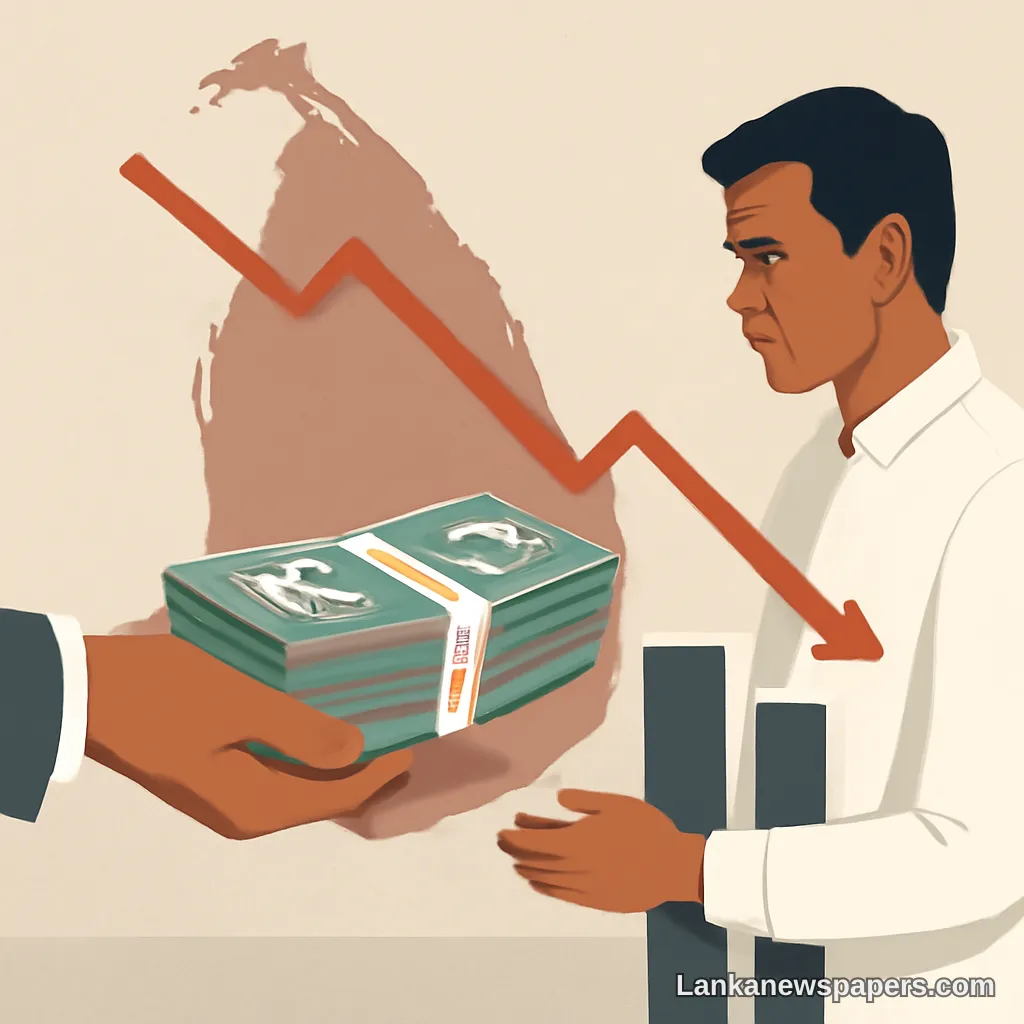
Sri Lanka has received a fresh disbursement of $695 million from the International Monetary Fund (IMF), marking another tranche under the country's ongoing bailout programme. However, despite the continued flow of international financial support, economists and observers warn that the island nation's underlying economic difficulties are far from resolved.
A Lifeline, But Not a Cure
The latest IMF payment provides Sri Lanka with much-needed foreign reserves as the country continues its slow and arduous recovery from the devastating economic crisis that gripped the nation in 2022. That crisis, the worst in Sri Lanka's post-independence history, saw the country default on its external debt, face crippling fuel and medicine shortages, and endure prolonged power cuts that brought daily life to a standstill.
While the IMF tranches have helped stabilise the country's balance of payments and restore a degree of confidence among foreign creditors, analysts caution that structural problems continue to weigh heavily on the economy.
Persistent Struggles for Ordinary Sri Lankans
For millions of Sri Lankan households, the benefits of international financial support have yet to translate into meaningful relief. The cost of living remains elevated, with food and utility prices still stretching family budgets thin. Unemployment and underemployment continue to be pressing concerns, and the emigration of skilled workers — a trend that accelerated sharply during the crisis years — has not meaningfully reversed.
- High inflation has eroded the purchasing power of ordinary citizens
- Tax increases introduced as part of IMF conditions have placed added burden on the middle class
- Public services continue to face funding constraints despite some fiscal improvements
- Debt repayment obligations remain a significant long-term challenge
IMF Programme Conditions Demand Difficult Reforms
Sri Lanka's Extended Fund Facility arrangement with the IMF requires the government to implement a series of structural reforms, including improvements to revenue collection, restructuring of state-owned enterprises, and greater fiscal discipline. These measures, while necessary for long-term stability, have proven politically sensitive and socially painful in the short term.
The IMF disbursements signal that Sri Lanka is meeting its programme benchmarks, but the path to genuine economic recovery demands far more than financial injections — it requires deep, sustained reform across every layer of governance and public finance.
The Road Ahead
Sri Lanka's government faces the delicate task of maintaining IMF programme compliance while managing public discontent over austerity measures. Debt restructuring negotiations with bilateral and commercial creditors also remain a critical piece of the recovery puzzle, with their successful conclusion essential to placing the country on a sustainable fiscal footing.
As the disbursements continue, the consensus among financial experts is clear: international funding can provide breathing room, but lasting economic recovery for Sri Lanka will ultimately depend on homegrown political will, institutional reform, and a credible long-term development strategy.

💬 Join the Discussion 0
Be the first to share your view on this story.