Deadly Sri Lanka Care Facility Fire Raises Urgent Questions About Safety Standards
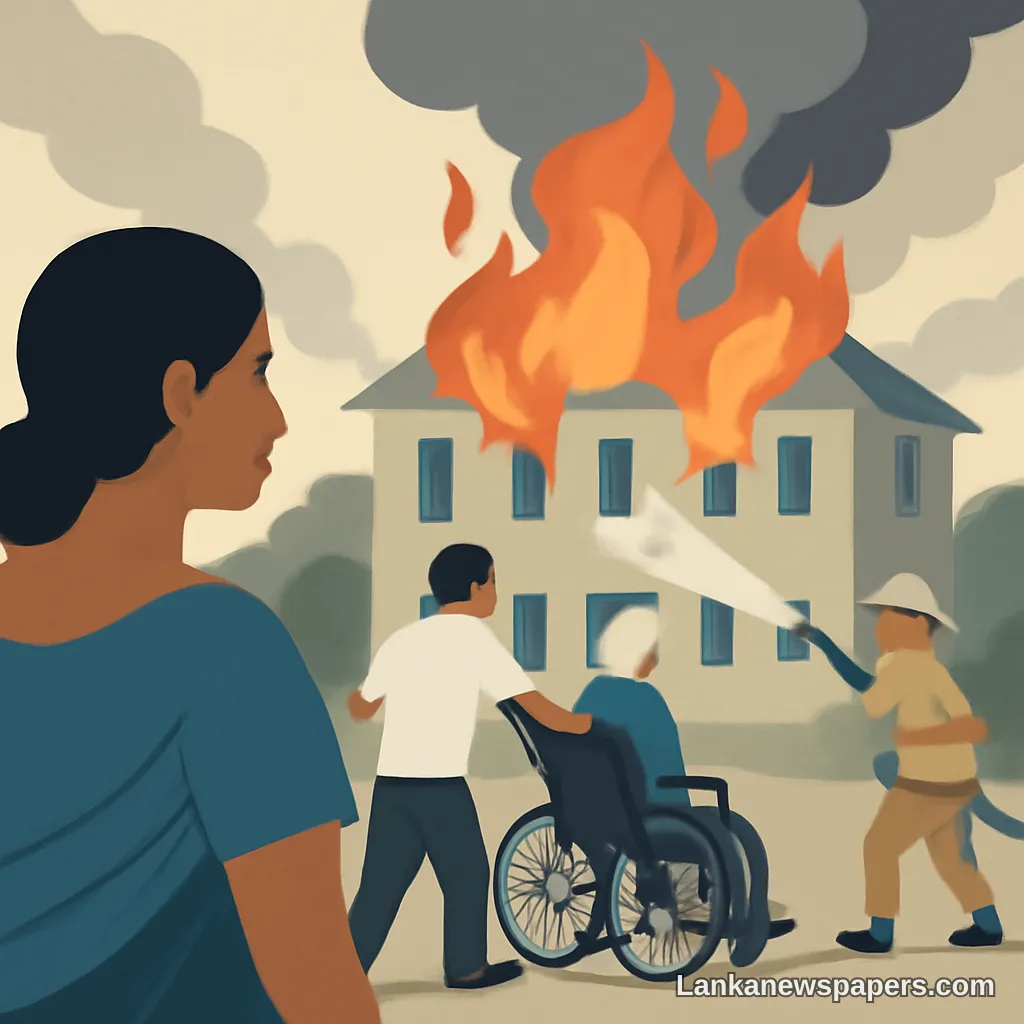
A Tragedy That Demands Accountability
The devastating fire that tore through a care facility in Sri Lanka has left the nation in mourning and prompted serious questions about the safety standards governing institutions that house some of society's most vulnerable individuals. As the smoke clears, authorities, advocates, and ordinary citizens are asking what went wrong — and how such a tragedy can be prevented from happening again.
Gaps in Safety Protocols Exposed
The incident has shone a harsh spotlight on the state of fire safety preparedness at care homes and similar facilities across the country. Preliminary assessments suggest that critical safety infrastructure, including fire suppression systems, clearly marked emergency exits, and routine evacuation drills, may have been inadequate or entirely absent at the facility in question.
- Insufficient or non-functional fire detection and suppression systems
- Lack of clearly marked and accessible emergency evacuation routes
- Absence of regular fire drills for both staff and residents
- Potential overcrowding that may have hindered safe evacuation
Regulatory Oversight Under Scrutiny
Critics have long warned that regulatory oversight of care facilities in Sri Lanka remains inconsistent and underfunded. Licensing requirements exist on paper, but enforcement has been described by welfare advocates as sporadic at best. The tragedy has reignited calls for a comprehensive, mandatory inspection regime that holds facility operators to strict and enforceable safety standards.
Caring for the elderly, the differently abled, and other vulnerable populations is not merely a business — it is a profound social responsibility that must be backed by the full force of the law.
Key Lessons for the Road Ahead
Experts in disaster management and social welfare have outlined several urgent steps that authorities must take in the wake of this disaster. These include conducting immediate safety audits of all registered and unregistered care facilities island-wide, introducing mandatory fire safety training for all care staff, and establishing a transparent public registry of facilities that have passed inspections.
There are also broader concerns about the proliferation of informal, unregistered care homes operating outside any regulatory framework. These facilities, often set up with little capital and minimal oversight, may pose the greatest risk to residents who have no other options.
A Call for National Action
The government has been urged to treat this not as an isolated incident but as a systemic warning. Families who entrust their loved ones to the care of such institutions deserve the assurance that basic safety standards are being met and actively monitored. Sri Lanka's care sector needs urgent reform — and the memory of those lost in this fire demands that reform begins now.



💬 Join the Discussion 0
Be the first to share your view on this story.