100 Days of Conflict: How the US-Israel War on Iran Is Reshaping Gulf Security
A Region Forced to Rethink Everything
As the United States and Israel's military campaign against Iran crosses the 100-day mark, the Gulf states find themselves navigating one of the most unsettling geopolitical shifts in recent memory. Long-held assumptions about regional security, diplomatic alliances, and stability are being rapidly reconsidered by governments across the Arabian Peninsula.
Gulf States Caught in the Middle
For decades, Gulf nations have carefully balanced relationships with both Western powers and their neighbours, including Iran. That delicate balancing act has now been thrown into sharp relief, as the sustained military conflict forces capitals from Riyadh to Abu Dhabi to reassess where their true interests lie.
The conflict has not only raised immediate concerns about physical security and potential spillover, but has also put pressure on economic stability, energy markets, and diplomatic standing on the world stage.
Stability Concerns Mount
Analysts observing the situation have noted that Gulf governments are grappling with a range of urgent concerns, including:
- The risk of direct or indirect military escalation reaching their borders
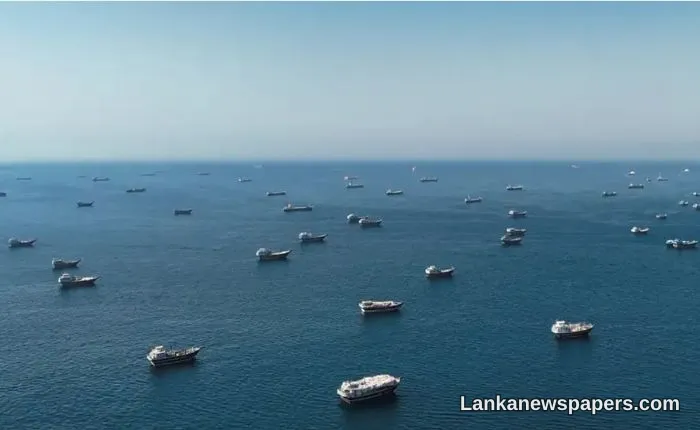
- Disruption to critical shipping lanes and oil export routes in the region
- The potential for internal political pressure as populations react to the ongoing conflict
- Strained relationships with both Western allies and neighbouring states
Alliances Under Pressure
The 100-day milestone has made it increasingly clear that the war is not a short-term crisis likely to resolve quickly. Gulf states, many of which host significant US military infrastructure, are under growing pressure to publicly define their positions — a move most have so far been reluctant to make.
The conflict has exposed the limits of strategic ambiguity that Gulf nations have long relied upon to maintain stability and protect their economic interests.
Broader Implications for the Region
With no clear resolution in sight, the coming weeks are expected to be critical in determining how Gulf governments formally respond — both diplomatically and in terms of security arrangements. The situation continues to be closely watched by the international community, including Asian nations such as Sri Lanka that maintain strong economic and labour ties with the Gulf region.
For Sri Lanka, which has hundreds of thousands of migrant workers employed across Gulf countries, any prolonged destabilisation of the region carries significant economic consequences, particularly in terms of remittances and worker safety.



💬 Join the Discussion 0
Be the first to share your view on this story.