Amnesty International Raises Alarm Over Forced Labour Conditions Facing Tamil Tea Workers in Sri Lanka
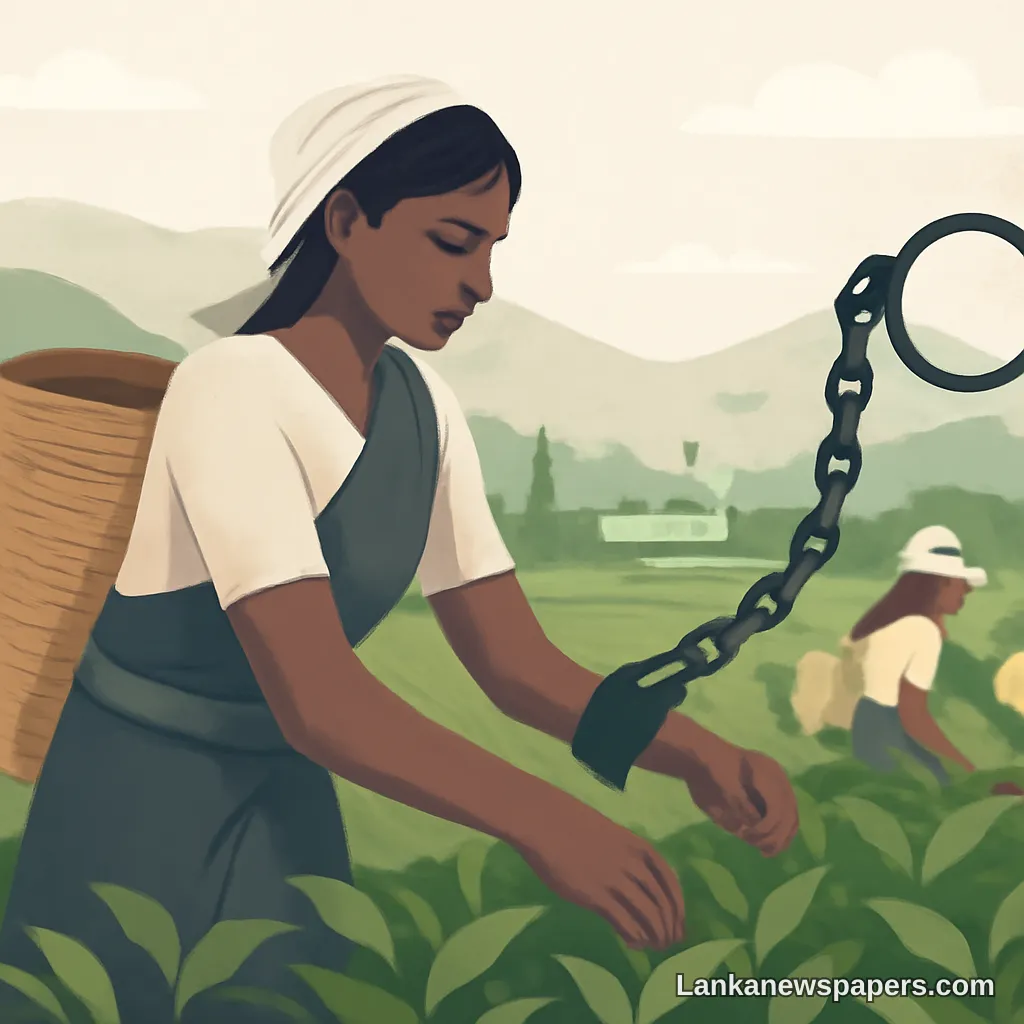
Global human rights organisation Amnesty International has raised serious concerns about the working and living conditions of Tamil tea plantation workers in Sri Lanka, alleging that many face circumstances consistent with forced labour.
A Community Trapped in Exploitation
According to Amnesty International, Tamil workers employed on Sri Lanka's tea estates — a sector that generates significant foreign exchange earnings for the country — are subjected to conditions that strip them of basic freedoms and dignity. The organisation's findings point to systemic exploitation that has persisted across generations within plantation communities.
Workers are reported to face extremely low wages, restricted freedom of movement, and inadequate housing, with many families confined to cramped line rooms on estate grounds. These conditions, Amnesty argues, create a cycle of dependency that makes it difficult for workers to leave their employment even when they wish to do so.
Deep-Rooted Structural Problems
The Tamil community working on Sri Lanka's hill country tea estates largely descends from labourers brought to the island by British colonial authorities in the 19th century. Decades after independence, this community continues to rank among the most economically marginalised groups in the country.
- Wages remain among the lowest in the formal labour sector
- Access to quality healthcare and education on estates is severely limited
- Workers often lack alternative employment opportunities due to geographic isolation
- Debt bondage and wage deductions further restrict financial independence
Call for Government and Industry Action
Amnesty International has urged the Sri Lankan government, as well as tea companies and international buyers who source from Sri Lankan estates, to take immediate and meaningful steps to address these abuses. The organisation stressed that corporations with supply chains linked to Sri Lankan tea bear a responsibility to ensure that their products are not tainted by labour rights violations.
Forced labour is not simply a legal violation — it is a profound assault on human dignity, and those profiting from this industry must be held accountable.
The findings arrive at a particularly sensitive time for Sri Lanka, as the country continues its economic recovery following the severe financial crisis of 2022. The tea industry remains a cornerstone of Sri Lanka's export economy, making the reputational implications of such allegations significant for trade relations with Western markets.
Wider Implications for Sri Lanka's Global Standing
Human rights advocates within Sri Lanka have welcomed Amnesty's intervention, noting that domestic efforts to improve conditions on plantations have long been undermined by a lack of political will and corporate accountability. Civil society groups have called on the government to enforce existing labour laws more rigorously and to engage directly with plantation worker unions and community representatives.
The Sri Lankan government and plantation management companies had not issued an official public response to Amnesty International's allegations at the time of reporting.



💬 Join the Discussion 0
Be the first to share your view on this story.