A Historic Moment at the World's Highest Court
The International Court of Justice is poised to make legal history as it prepares to deliver its verdict in the genocide case brought against Myanmar by The Gambia — a case that has been years in the making and carries profound implications for international justice and human rights law.
Background of the Case
The case, which has been before the court for seven years, centres on allegations that Myanmar's military carried out systematic atrocities against the Rohingya Muslim minority. The Gambia filed the suit invoking the Genocide Convention, the landmark international treaty adopted in 1948 in the aftermath of the Nazi Holocaust, which obligates signatory nations to prevent and punish acts of genocide.
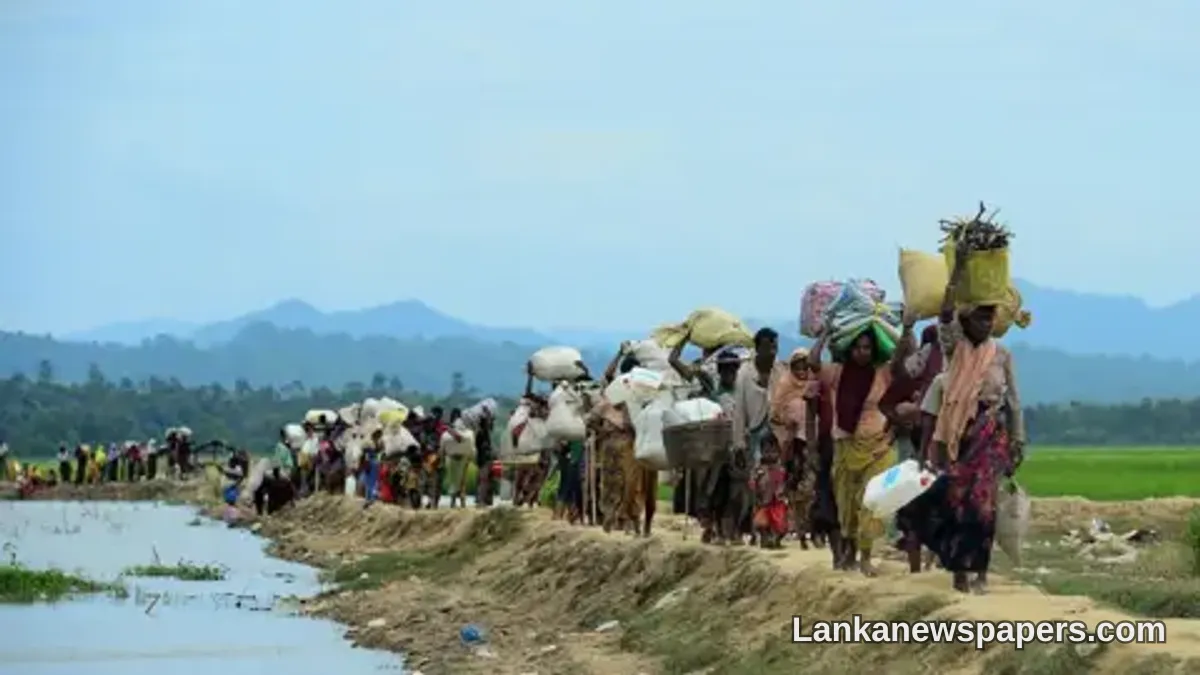
The Rohingya crisis drew worldwide condemnation following a brutal military crackdown in 2017, which drove more than 700,000 Rohingya people across the border into neighbouring Bangladesh, with survivors describing widespread killings, sexual violence, and the burning of villages.
Significance of the Verdict
Legal scholars and human rights advocates have highlighted just how rare and consequential a formal genocide ruling by the ICJ would be. In the decades since the Genocide Convention was signed, formal judicial findings of genocide at the international level have remained exceedingly uncommon, making this case one of the most closely watched proceedings in the court's history.
The ICJ, based in The Hague in the Netherlands, is the principal judicial organ of the United Nations and holds authority to settle disputes between member states under international law.
What the Ruling Could Mean
Regardless of the specific findings, the verdict is expected to send a powerful signal to the international community about accountability for mass atrocities. Human rights organisations argue that a ruling against Myanmar could:
- Establish a critical legal precedent for future genocide prosecutions at the international level
- Increase pressure on Myanmar's military leadership to face consequences for alleged crimes
- Provide a measure of recognition and justice for Rohingya survivors and victims' families
- Reinforce the binding obligations of the Genocide Convention on all signatory states
Myanmar's Position
Myanmar has consistently denied that its military operations amounted to genocide, characterising the crackdown as a legitimate counter-insurgency campaign against armed militants. The country's representatives have appeared before the court to contest the allegations.
A Moment Watched Closely in Sri Lanka and Beyond
The verdict resonates across Asia and around the world, as nations grapple with questions of minority rights, state accountability, and the reach of international law. For Sri Lanka, which has itself faced scrutiny over alleged wartime atrocities, the proceedings serve as a reminder of the growing weight of international humanitarian law in the modern era.
The case represents one of the most significant tests of the Genocide Convention since its adoption more than seven decades ago, and its outcome may reshape how the international community responds to mass atrocity crimes in the future.

💬 Join the Discussion 1
See what readers are saying — and add your view.
Finally some justice for those poor people. took 7 years though no?