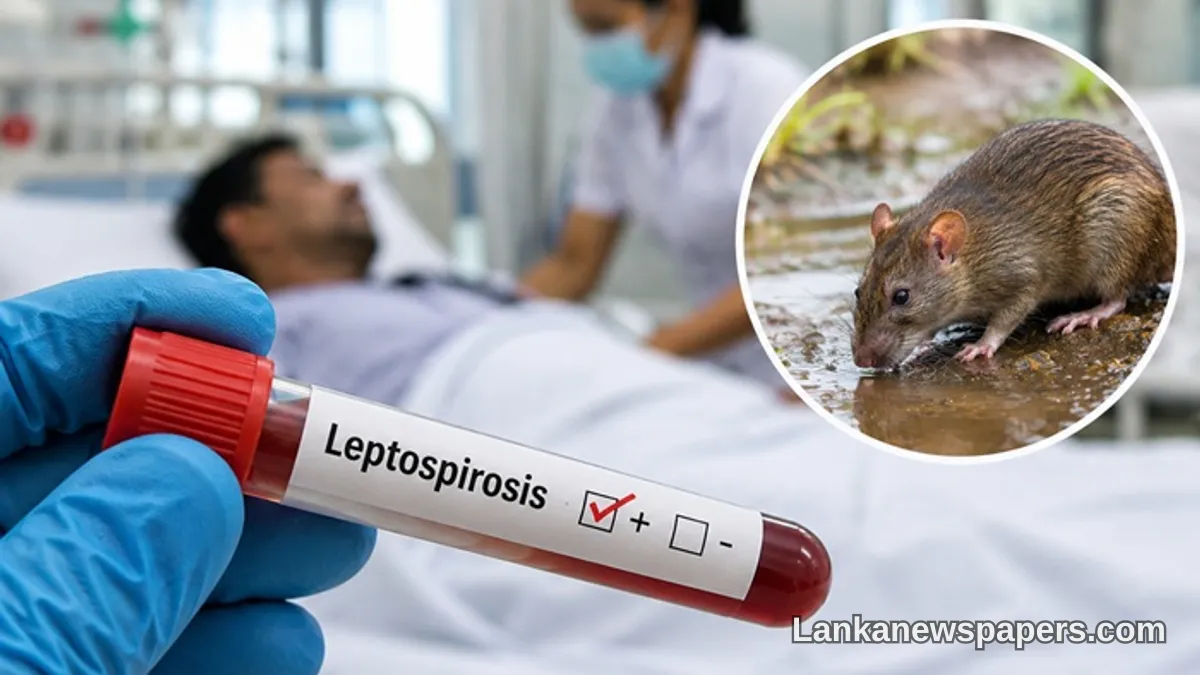
Health authorities have sounded an urgent alert over a heightened risk of leptospirosis, commonly referred to as rat fever, across five districts in Sri Lanka, including Matara, urging residents to take immediate precautionary measures.
What Is Leptospirosis?
Leptospirosis is a bacterial infection typically spread through contact with water or soil contaminated by the urine of infected animals, most commonly rats. The disease poses a serious public health threat, particularly in low-lying and flood-prone areas where stagnant water creates ideal conditions for the bacteria to thrive.
Districts at Risk
Officials have identified five districts where the risk of transmission is considered elevated. Matara is among those flagged, with health workers on the ground monitoring the situation closely. Residents in the identified areas have been urged to exercise extreme caution, especially those engaged in farming, fishing, or outdoor labour.
Symptoms and Early Warning Signs
Health officials are encouraging the public to be aware of common symptoms, which include:
- High fever and chills
- Severe headaches and muscle pain
- Redness of the eyes
- Nausea, vomiting, and diarrhoea
- Skin rashes in some cases
Early diagnosis and prompt medical treatment are critical, as the disease can progress rapidly and lead to serious complications affecting the kidneys, liver, and other vital organs if left untreated.
Precautionary Measures Advised
Authorities are advising the public to avoid wading through floodwaters or muddy areas without adequate protection, wear rubber boots and gloves when working outdoors, and maintain high standards of personal hygiene. Individuals who develop symptoms after exposure to potentially contaminated environments are urged to seek medical attention without delay.
Residents are reminded that leptospirosis is preventable, and timely action can save lives. Do not ignore early symptoms — seek treatment immediately.
The Ministry of Health has called on provincial and district health officials to strengthen surveillance and ensure that medical facilities in the affected areas are adequately equipped to handle any increase in cases.


💬 Join the Discussion 1
See what readers are saying — and add your view.
every year same warning, nothing actually changes on the ground no