NSO Drops Electricity Tariff Hike Bid After Reservoir Levels Show Marked Recovery
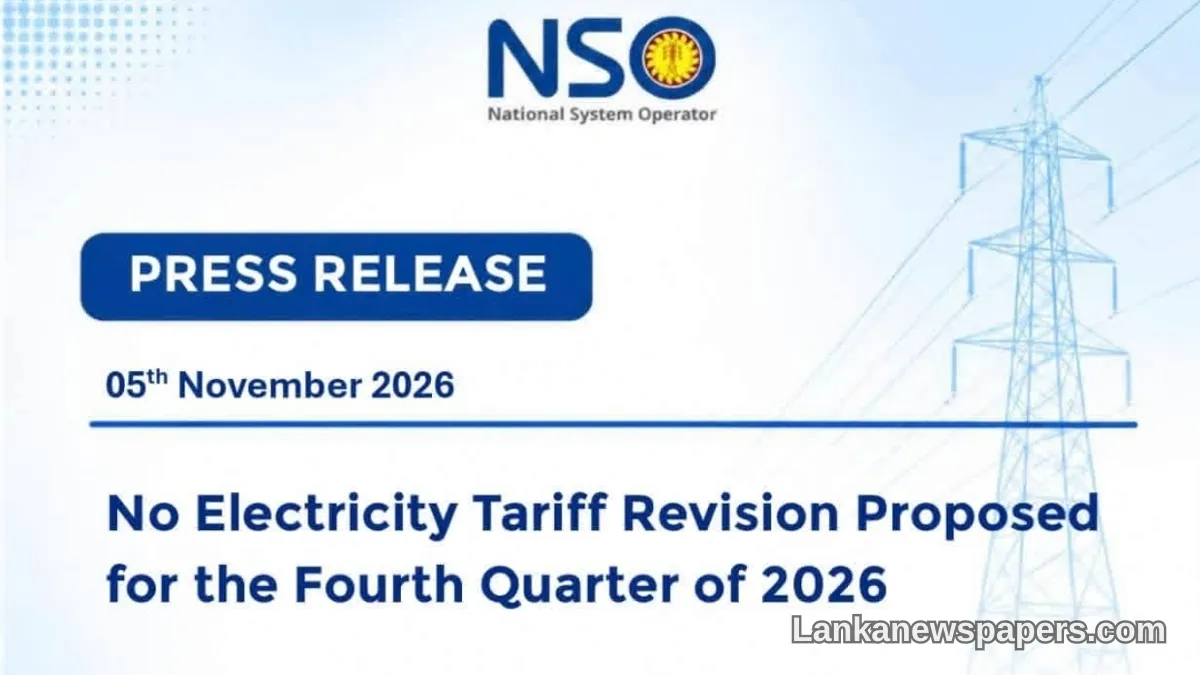
The National System Operator (NSO) has reversed its earlier stance on electricity pricing, confirming that it will no longer pursue a proposed increase in electricity tariffs following a notable improvement in water levels across the country's reservoirs.
A Change in Direction
The NSO had previously moved to request a tariff revision, citing concerns over the adequacy of hydropower generation capacity amid declining reservoir levels. However, with conditions on the ground having shifted considerably, the operator has now opted to withdraw that request entirely.
The decision signals a degree of relief for Sri Lankan households and businesses, many of whom have been grappling with the broader cost-of-living pressures that have defined daily life in recent years.
Reservoir Recovery Drives the Decision
Improved rainfall across key catchment areas has led to a meaningful recovery in reservoir storage levels, strengthening the country's hydropower generation outlook. This development gave the NSO sufficient grounds to conclude that the tariff adjustment it had sought was no longer warranted at this time.
Sri Lanka's electricity generation mix relies heavily on hydropower, making reservoir levels a critical factor in determining the cost and stability of power supply. When water levels fall, the country is typically forced to increase its dependence on more expensive thermal generation, placing upward pressure on tariffs.
Relief for Consumers
The withdrawal of the tariff hike request comes as welcome news for consumers across the island. Electricity costs have been a significant concern for Sri Lankan families and industries alike, particularly in the wake of the economic crisis that battered the country in recent years.
- Residential consumers had been bracing for the possibility of higher monthly electricity bills.
- Small and medium-sized enterprises, already operating on tight margins, stood to be significantly affected by any upward revision.
- Industrial users dependent on stable and affordable power had also been closely monitoring developments.
Looking Ahead
While the immediate threat of a tariff increase has been averted, energy sector analysts note that Sri Lanka's power pricing outlook remains tied to the volatility of weather patterns and the pace of investment in renewable energy infrastructure.
Sustained improvements in reservoir levels have provided temporary breathing room, but the long-term stability of electricity pricing will depend on structural reforms and diversification of the country's energy portfolio.
For now, the NSO's decision offers a measure of stability, and authorities will continue to monitor reservoir conditions and overall system performance as the season progresses.


💬 Join the Discussion 3
See what readers are saying — and add your view.
reservoir levels recovered means nothing if mismanagement continues
finally some good news. dont increase la, ppl already struggling enough
but wait till next dry season, they will find another reason