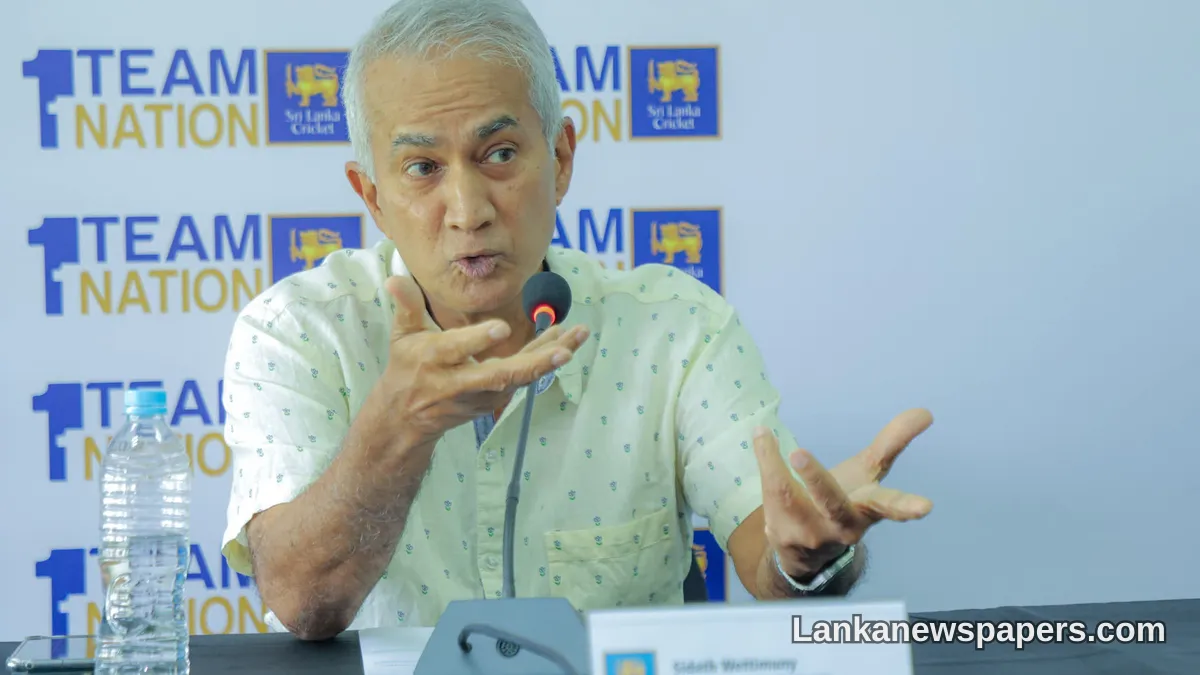
Sri Lanka's Cabinet Spokesman has flagged the ongoing conflict in the Middle East as a key factor behind rising prices in the country, signalling fresh economic concerns for ordinary citizens already struggling with the cost of living.
Global Conflict, Local Impact
The Cabinet Spokesman made the remarks highlighting how the volatile situation in the Middle East is creating ripple effects that are being felt directly by Sri Lankan consumers. Disruptions in global supply chains and upward pressure on fuel and commodity prices linked to the conflict are translating into higher costs at home.
Sri Lanka, which remains heavily dependent on imported goods including fuel, food commodities, and raw materials, is particularly vulnerable to shifts in global market conditions triggered by geopolitical instability.
A Familiar Pressure Point
The warning comes as Sri Lanka continues its fragile economic recovery following the severe financial crisis of 2022, which saw the island nation face crippling shortages of fuel, medicine, and essential goods. While significant stabilisation has been achieved since then, external shocks remain a serious threat to that progress.
Rising freight costs, increased oil prices, and uncertainty in global trade routes connected to the Middle East conflict are among the factors the government has identified as contributing to the current price pressures.
Government Monitoring the Situation
Authorities have indicated that the government is closely monitoring the situation and its potential impact on the Sri Lankan economy. Consumers, however, are already reporting increases in the prices of essential goods, adding strain to household budgets across the country.
Economists and trade analysts have previously warned that Sri Lanka's economic vulnerability means that international conflicts and commodity price swings can have an outsized effect on local inflation compared to more self-sufficient economies.
The government has yet to announce any specific relief measures in response to the price increases, but the Cabinet Spokesman's comments suggest the issue is being treated as a matter of ongoing concern at the highest levels of administration.

💬 Join the Discussion 3
See what readers are saying — and add your view.
so what is the plan? just tell us prices going up and thats it?
always some excuse no, last time covid, now middle east
exactly men, goverment just waiting for next thing to blame