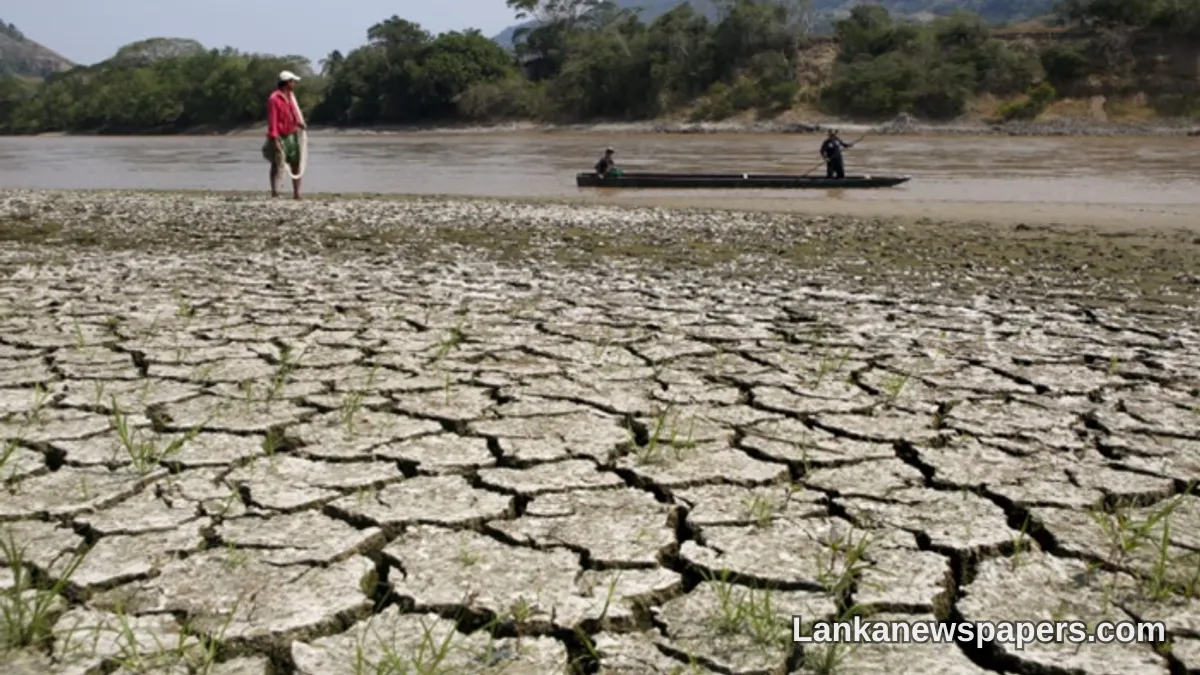
El Niño Reaches Record Intensity — And the Worst May Still Be Ahead
The world is already grappling with an unusually powerful El Niño weather phenomenon, and climate economists are sounding the alarm: the most severe economic and humanitarian consequences may not arrive until 2027. For a country like Sri Lanka, still navigating recovery from its worst financial crisis in decades, the warning carries urgent weight.
What Is El Niño and Why Does It Matter for Sri Lanka?
El Niño is a periodic warming of surface temperatures in the central and eastern Pacific Ocean that disrupts weather patterns across the globe. Its effects are far-reaching — triggering droughts in some regions, flooding in others, and widespread agricultural disruption almost everywhere in between. Sri Lanka, heavily dependent on monsoon rains for both agriculture and hydropower generation, is particularly vulnerable to the climate swings El Niño produces.
According to Asian Development Bank economist Roshen Fernando, the current El Niño cycle is already registering at record strength for this point in the year. That alone is cause for concern. But Fernando's analysis points to a more troubling reality — the economic damage from such events tends to lag years behind the weather itself.
The Delayed Economic Blow
Research into past El Niño cycles reveals a consistent and sobering pattern: while the climatic disruption may peak within a year or two, the full economic fallout often takes much longer to materialise. Crop failures reduce rural incomes, strained harvests drive up food prices, and weakened hydropower output pushes up energy costs — all of which compound over time before reaching their worst point.
This delayed impact is precisely why 2027 is being flagged as a critical year. Nations that appear to weather the immediate storm often find themselves facing the heaviest consequences several years down the line, particularly when underlying economic vulnerabilities have not been addressed in the interim.
Sri Lanka's Particular Vulnerability
Sri Lanka's exposure to El Niño-linked disruptions is multi-dimensional. Key risk areas include:
- Agricultural output, especially rice and tea — two crops that are highly sensitive to rainfall variability
- Hydroelectric power generation, which supplies a significant share of the island's electricity needs
- Rural livelihoods, where communities have the least capacity to absorb economic shocks
- Food inflation, which disproportionately affects lower-income households already under financial pressure
With Sri Lanka still in the process of stabilising its public finances and rebuilding foreign reserves following the 2022 economic crisis, any additional external shock — particularly one tied to food and energy supply — could set back recovery efforts significantly.
A Call for Early Action
The central message from climate economists is that the window for preventive action is now — not in 2026 or 2027 when the consequences become undeniable. Governments across Asia have been urged to strengthen agricultural resilience, diversify energy sources, build social safety nets, and maintain adequate food reserves ahead of potential supply shocks.
The economic cost of El Niño is not just about what happens during the event itself — it is about how well-prepared societies are to absorb and recover from its long tail of consequences.
For Sri Lanka's policymakers, the message is clear: the relative calm of the present moment should not breed complacency. The shadow El Niño casts may stretch well into the latter half of this decade, and the decisions made today will determine how heavily it falls on ordinary Sri Lankans.


💬 Join the Discussion 4
See what readers are saying — and add your view.
farmers in my area already struggling, this is not new news for us
can someone explain what El Nino actually does to our rainfall here
every year they say dangerous year, nothing changes no
exactly men, goverment will just form a committee and forget