From PTA to PS-TB: Sri Lanka's New Anti-Terror Law — Genuine Reform or Just a Rebrand?
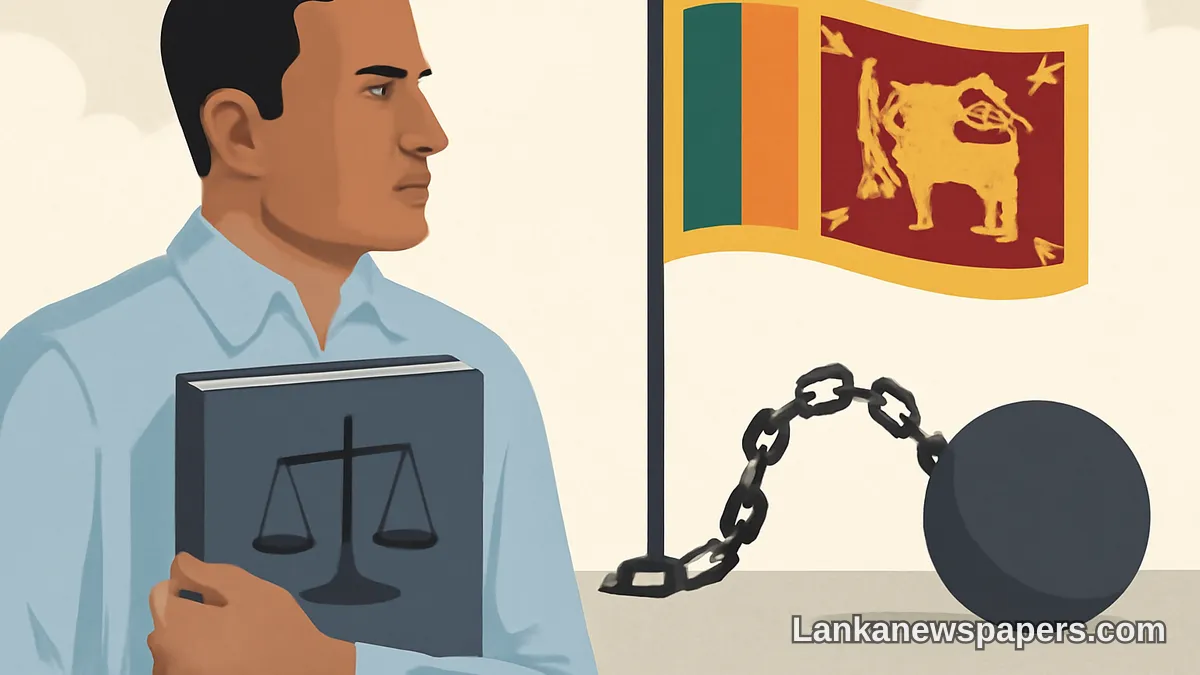
Sri Lanka is moving to replace its widely criticised Prevention of Terrorism Act (PTA) with a new piece of legislation known as the Public Security (Terrorism and Breaches) Act, or PS-TB. But as the country debates the change, a pressing question looms large: is this a meaningful step toward justice and civil liberties, or simply a case of swapping one controversial law for another under a different name?
A Law Long Under Fire
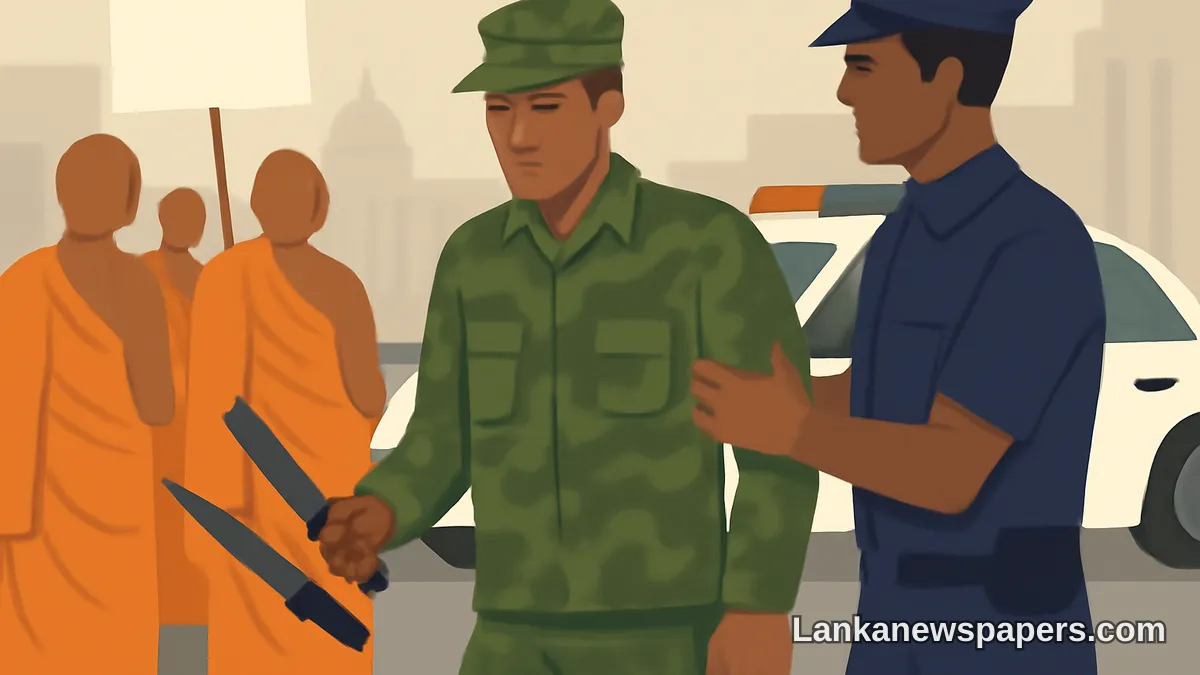
The Prevention of Terrorism Act has been a lightning rod for criticism since its enactment decades ago. Human rights organisations, legal experts, and civil society groups both locally and internationally have long condemned the PTA for enabling prolonged detention without trial, facilitating alleged torture, and being disproportionately used against minority communities — particularly Tamils and Muslims. Pressure from the European Union, which linked trade concessions under the GSP+ scheme to legal reforms, added further urgency to the call for change.
The Sri Lankan government has repeatedly promised reform, and the proposed PS-TB legislation represents its latest attempt to deliver on that commitment. However, critics argue that the new bill carries many of the same structural flaws as its predecessor, raising serious concerns about whether the reform is substantive or merely cosmetic.
What the New Bill Contains
The PS-TB bill does introduce some changes compared to the PTA. Among the notable provisions are revised definitions of terrorism-related offences and certain procedural adjustments intended to align the law more closely with international legal standards. Proponents of the bill argue these modifications represent a genuine effort to modernise Sri Lanka's counter-terrorism framework.
However, legal analysts point out several areas of deep concern:
- Broad and vaguely worded definitions of terrorism that could still be used to target political dissidents, journalists, and activists.
- Provisions allowing for extended detention periods that critics say do not adequately protect the rights of the accused.
- Insufficient safeguards against the misuse of the law against ethnic and religious minorities.
- Limited judicial oversight during the early stages of detention.
Civil Society Speaks Out
Rights advocates and affected communities have not been silent on the matter. Many Tamil and Muslim community representatives, who bore the brunt of PTA-related abuses in the post-war years, have expressed scepticism about the proposed replacement. They argue that without a fundamental rethinking of the law's scope and purpose, the PS-TB risks perpetuating the same injustices under a new label.
The core issue is not the name of the law but the powers it grants and the safeguards it lacks. A renamed statute with the same teeth is still the same beast.
International human rights bodies have echoed these sentiments, urging the Sri Lankan government to undertake broader consultations and ensure the new legislation genuinely meets the benchmarks set by international human rights law before it is passed.
The Government's Position
Sri Lankan authorities maintain that the PS-TB represents a significant improvement over the PTA and reflects the country's commitment to upholding democratic values while safeguarding national security. Officials have argued that any nation must retain robust tools to counter terrorism, particularly given Sri Lanka's recent history, including the devastating 2019 Easter Sunday bombings.
The government has also pointed to certain procedural reforms in the bill as evidence of good faith, including provisions requiring more timely judicial review of detention orders.
A Critical Crossroads
Sri Lanka stands at an important juncture. The reform of its anti-terrorism legislation carries implications not only for civil liberties at home but also for the country's international standing, its trade relationships, and its broader reconciliation efforts following years of civil conflict.
For many Sri Lankans — especially those from communities that experienced the PTA's harshest applications — the proof will be in the implementation. A law that looks different on paper but functions the same way in practice will do little to restore faith in the country's justice system or heal the wounds of the past.
As parliamentary debate on the PS-TB continues, lawmakers face a choice between genuine reform and superficial change. The outcome will say much about the kind of nation Sri Lanka intends to be in the years ahead.


💬 Join the Discussion 2
See what readers are saying — and add your view.
same wine new bottle only. goverment thinks we are stupid.
exactly. PTA also they said "temporary" in 1979. still here no?