National Grid Collapses After Critical Coal Power Unit Fails, Plunging Sri Lanka Into Darkness
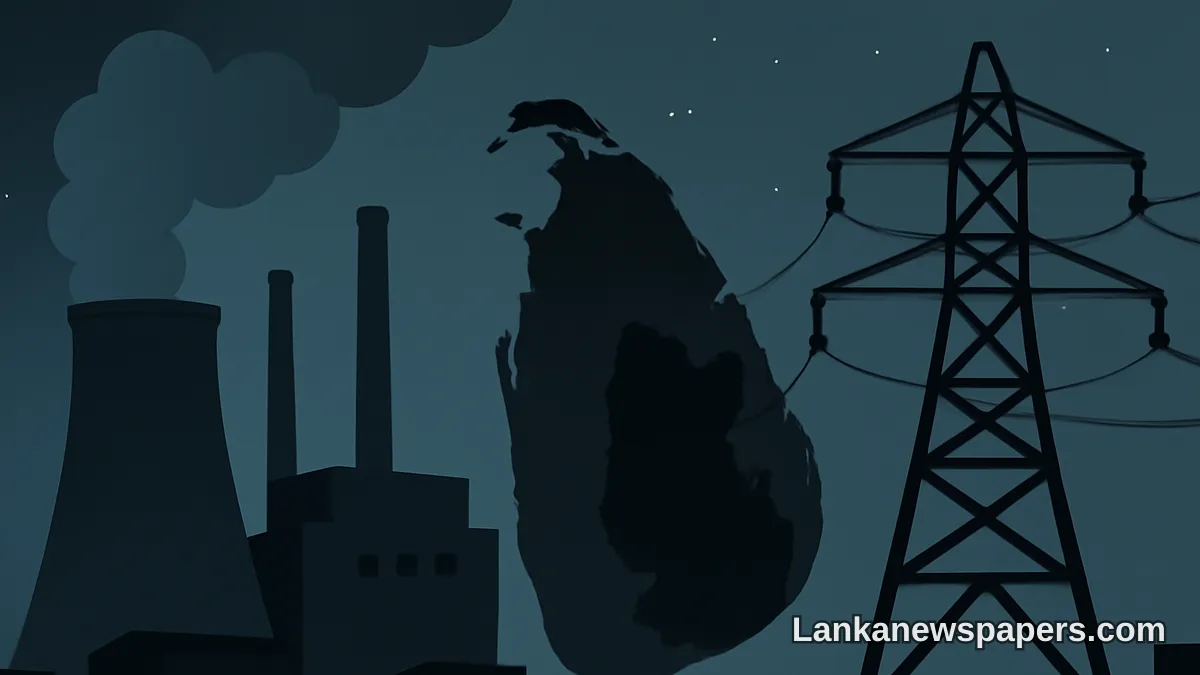
Sri Lanka's national electricity grid suffered a major collapse following the breakdown of a coal-fired power generating unit, leaving large parts of the island without power and sending shockwaves through an already strained energy sector.
Grid Failure Triggers Island-Wide Blackout
The failure of the coal-fired generating unit created a cascading effect across the national grid, causing it to trip and resulting in widespread power cuts affecting homes, businesses, and essential services throughout the country. Such grid collapses are among the most disruptive events in a nation's power infrastructure, as restoration can take several hours and requires careful, staged reconnection of supply lines.
Sri Lanka's electricity network has long been dependent on coal-powered generation as a significant component of its energy mix, making any major disruption to these facilities particularly consequential for overall grid stability.
A Recurring Vulnerability
This incident has once again highlighted the fragility of Sri Lanka's power infrastructure and the risks associated with heavy reliance on a small number of large generating units. When a single facility of this scale trips unexpectedly, the resulting imbalance between supply and demand can overwhelm protective systems, causing the entire grid to shut down as a safeguard measure.
Energy experts have repeatedly warned that the country's grid requires greater resilience through diversification of generation sources, investment in modern grid management technology, and improved maintenance protocols for ageing power plants.
Impact on the Public and Economy
Unplanned power outages of this nature carry significant economic consequences, disrupting manufacturing operations, retail activity, and digital services. Households, particularly those in urban centres, also face hardship as essential appliances including refrigeration and water pumps cease to function.
- Hospitals and other critical facilities are typically required to switch to backup generator power during such events.
- Small and medium enterprises often suffer disproportionate losses during unplanned outages.
- Extended blackouts can damage sensitive electrical equipment in both residential and commercial settings.
Questions Over Energy Policy
The collapse is likely to renew calls for Sri Lanka to accelerate its transition toward more reliable and sustainable energy sources. The government has previously outlined ambitions to increase the share of renewable energy in the national grid, though progress has faced financial and logistical challenges.
Grid stability depends not only on generating capacity but on the robustness of the systems connecting that capacity to consumers — a lesson this latest outage underscores with considerable urgency.
The Ceylon Electricity Board is expected to provide a full technical assessment of the incident, including the root cause of the unit failure and the timeline for complete grid restoration. Authorities have urged the public to remain patient as engineers work to bring the system back online in a safe and controlled manner.


💬 Join the Discussion 4
See what readers are saying — and add your view.
my whole area dark for 3 hours, kids exams tomorrow also
how many times this coal unit breaking down now? cant keep count
again power cut whole country. when will goverment fix these old plants
they wont fix anything, only talk talk talk