Wildlife Chief Defends Department's Care of Beloved Tusker Kavantissa Following His Death
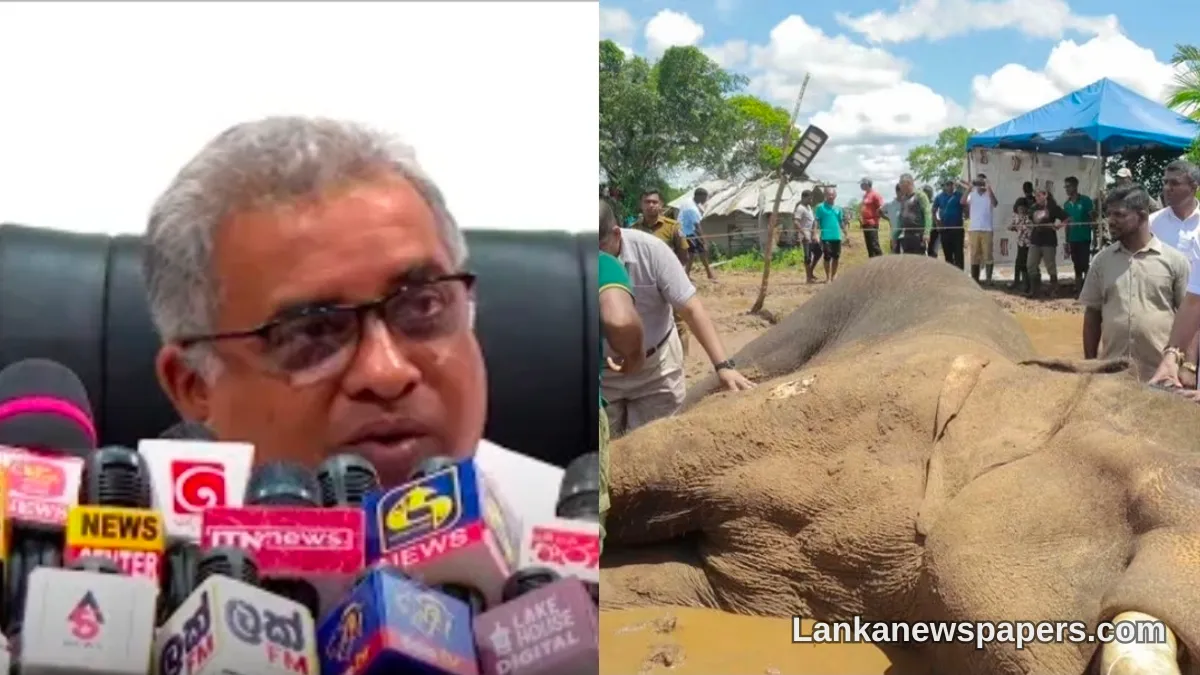
DG of Wildlife Conservation Speaks Out Amid Criticism
The Director General of Wildlife Conservation, Ranjan Marasinghe, has stepped forward to defend his department's handling of the care and protection of Kavantissa, one of Sri Lanka's most celebrated wild tuskers, following the elephant's recent death.
A Life Compared to That of an Elderly Human
Marasinghe drew a poignant comparison to put Kavantissa's condition into perspective, stating that the tusker's physical state in his final days was akin to that of an 80-year-old human being. The remark was made in response to mounting public concern and criticism directed at the Department of Wildlife Conservation over the iconic elephant's passing.
The Director General maintained that the department had taken all reasonable and necessary measures to ensure Kavantissa's wellbeing throughout his life, and that his decline was a natural consequence of advanced age rather than any failure in care or protection efforts.
A National Icon Mourned Across Sri Lanka
Kavantissa was widely regarded as one of Sri Lanka's most treasured wild tuskers, admired for his impressive stature and magnificent tusks. His death has drawn an outpouring of grief from wildlife enthusiasts, conservationists, and ordinary Sri Lankans alike, who followed his life with deep affection over the years.
The loss of such a prominent elephant has reignited public debate around the protection of Sri Lanka's dwindling tusker population, a group of animals that hold immense cultural, spiritual, and ecological significance on the island.
Department Stands Firm on Its Record
Despite the wave of emotion and scrutiny that followed Kavantissa's passing, Marasinghe remained firm in asserting that his department had fulfilled its responsibilities. He emphasised that wildlife conservation is a complex and demanding undertaking, particularly when it comes to ageing animals in their natural habitats where human intervention has its limits.
The Department of Wildlife Conservation is expected to face continued questions from conservationists and the public as Sri Lanka grapples with the broader challenges of protecting its remaining tusker elephants from threats including habitat loss, human-elephant conflict, and poaching.


💬 Join the Discussion 0
Be the first to share your view on this story.