Sri Lanka Hailed as a Turning Point in Global Debt Restructuring, G24 Calls for Further Reforms
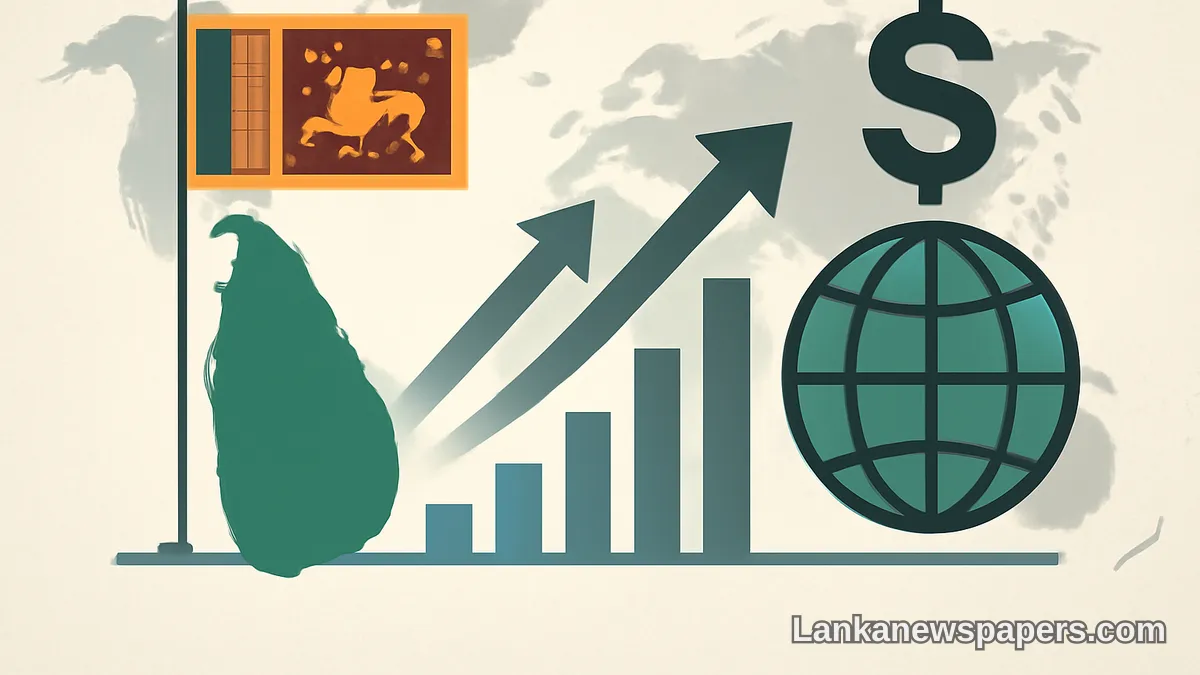
Sri Lanka's landmark debt restructuring process has been recognised by the Intergovernmental Group of Twenty-Four (G24) as a significant shift in how sovereign debt crises are handled globally, though the multilateral body has stressed that the current international framework still requires meaningful reform to better serve vulnerable nations in the future.
A New Benchmark in Sovereign Debt Resolution
The G24, which represents developing nations on monetary and development finance issues, has acknowledged that Sri Lanka's navigation of its unprecedented economic crisis introduced new approaches to sovereign debt negotiations that could reshape the playbook for future restructuring efforts worldwide.
Sri Lanka, which declared its first-ever sovereign default in April 2022 following a catastrophic foreign exchange crisis, subsequently undertook a complex and closely watched debt restructuring exercise involving multiple categories of creditors, including bilateral lenders, international bondholders, and multilateral institutions.
The process drew global attention for the way it attempted to balance the competing interests of diverse creditor groups while adhering to the conditions set out under the International Monetary Fund's bailout programme, which was secured in 2023.
What Made Sri Lanka's Case Distinctive
Analysts and international observers have pointed to several features of Sri Lanka's restructuring that set it apart from previous sovereign debt resolutions:
- The involvement of both traditional Paris Club creditors and newer bilateral lenders, most notably China, required unprecedented coordination.
- The parallel treatment of domestic and external debt added layers of complexity rarely seen in comparable cases.
- The use of GDP-linked and state-contingent instruments in bondholder agreements introduced innovative mechanisms designed to tie repayment obligations to the country's economic recovery trajectory.
G24 Flags Gaps in the Global Architecture
Despite praising the progress made, the G24 cautioned that Sri Lanka's experience also exposed significant weaknesses in the existing global debt resolution architecture. The group argued that the process was too slow, too fragmented, and too dependent on ad hoc arrangements rather than a coherent, rules-based system.
The Sri Lankan case demonstrated both the potential and the limitations of current debt restructuring mechanisms, underscoring the urgent need for a more systematic and equitable international framework.
The G24 has called on international financial institutions and creditor nations to work towards a more structured sovereign debt resolution mechanism that reduces the time indebted countries spend in economic limbo and minimises the human cost of prolonged financial uncertainty.
Implications for Sri Lanka and the Broader Region
For Sri Lanka, the international recognition of its debt restructuring efforts comes as the country continues its slow but steady economic recovery under the IMF programme. Inflation has eased considerably from its 2022 peak, foreign reserves have been partially rebuilt, and the government has implemented a series of revenue-enhancing measures as part of its fiscal consolidation drive.
However, economists caution that the road ahead remains challenging. Debt sustainability will depend heavily on sustained economic growth, continued fiscal discipline, and the successful implementation of structural reforms across state-owned enterprises and the broader public sector.
For other developing nations watching closely, Sri Lanka's experience offers both cautionary lessons and a degree of hope — demonstrating that even in the most severe of debt crises, a structured path to recovery is achievable, provided creditors, institutions, and governments can align around a common framework.
The G24's assessment is likely to add weight to ongoing discussions at the IMF and World Bank about the need to modernise global debt resolution mechanisms ahead of potential future crises in other emerging economies.


💬 Join the Discussion 1
See what readers are saying — and add your view.
turning point for who? common ppl still struggling to buy gas