Turning the Tide: Why Sri Lanka Must Transform Its Diaspora From Remitters Into Investors
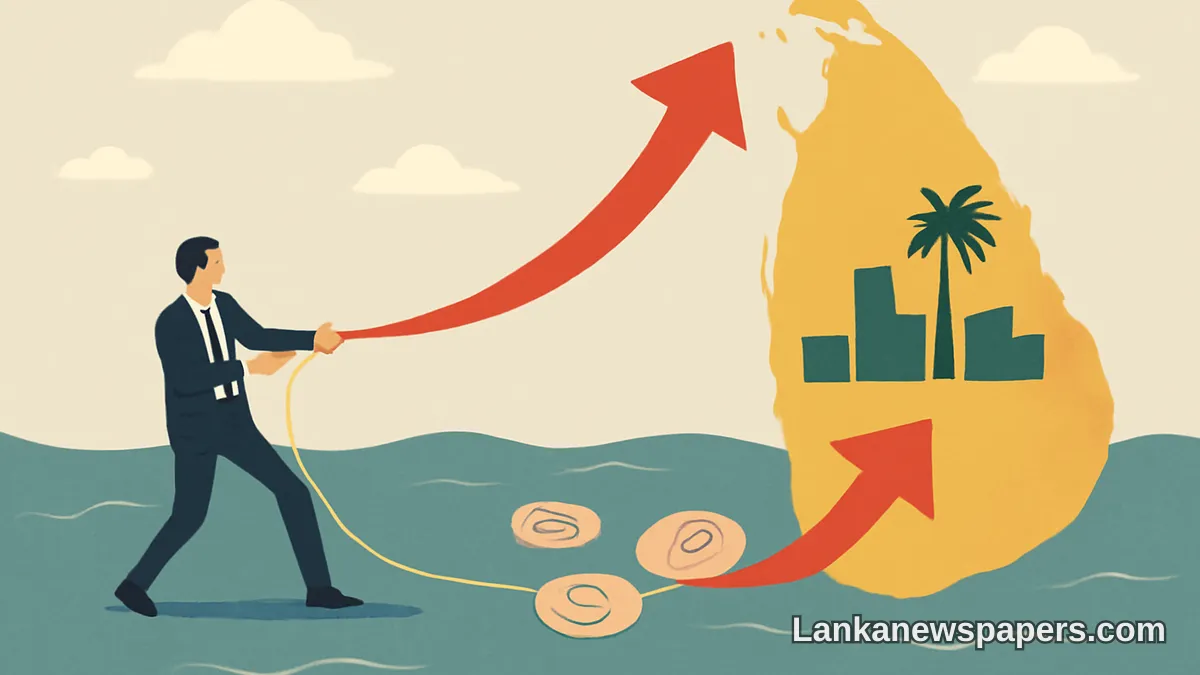
Beyond the Monthly Transfer: A New Vision for Sri Lankan Expats
For decades, Sri Lanka has leaned heavily on its overseas workers to prop up the economy through remittances — billions of dollars flowing home each year to support families, pay off debts, and keep the country's foreign reserves afloat. But as the island nation charts its path toward long-term economic recovery, financial experts and policymakers are increasingly asking a more ambitious question: what if that money did more than just arrive and disappear into daily expenses?
The Remittance Reliance Problem
Sri Lanka consistently ranks among South Asia's top remittance-receiving nations, with its diaspora spread across the Middle East, Europe, Australia, and North America sending home substantial sums annually. While these transfers have been a critical financial lifeline — particularly during the devastating economic crisis of 2022 — they represent a largely passive form of capital. The money enters the country, sustains household consumption, and exits the productive economy without generating lasting wealth or employment.
This cycle, economists warn, cannot serve as the backbone of a sustainable economic model. Remittances fluctuate with global labour markets, geopolitical shifts, and the personal circumstances of individual workers. Building a national economy on such a fragile foundation leaves Sri Lanka perpetually vulnerable.
The Investment Engine Sri Lanka Needs
What the country urgently requires, analysts argue, is a structured mechanism to channel diaspora wealth into productive investment — a dedicated engine that converts overseas earnings into equity stakes, business ventures, and infrastructure development back home.
Several key pillars have been identified as essential to making this transition a reality:
- Diaspora investment bonds with competitive, transparent returns that offer a secure and regulated entry point for overseas Sri Lankans looking to invest rather than simply remit.
- Streamlined regulatory frameworks that reduce bureaucratic friction for non-resident Sri Lankans seeking to establish or fund businesses on the island.
- Tax incentives and repatriation guarantees that assure investors their capital and returns can move freely, rebuilding confidence shattered by the economic crisis.
- Sector-specific investment vehicles targeting high-growth areas such as technology, tourism, renewable energy, and agribusiness — industries where diaspora expertise can complement financial contributions.
Trust Remains the Central Challenge
Perhaps the single greatest obstacle standing between Sri Lanka and a thriving diaspora investment culture is trust. The economic meltdown of 2022, which wiped out savings, triggered severe inflation, and forced painful IMF-backed austerity measures, left deep psychological scars among overseas Sri Lankans who watched helplessly as the value of their home-country investments evaporated.
Rebuilding that confidence demands more than policy announcements. It requires consistent governance, demonstrated fiscal discipline, and a track record of honouring commitments to investors — qualities that take years to establish but can be destroyed overnight.
Learning From Global Models
Sri Lanka need not look far for inspiration. India's diaspora bond programmes and the Philippines' structured overseas worker investment schemes have both demonstrated that with the right incentives and institutional credibility, expatriate communities can become powerful engines of domestic capital formation.
Israel, too, has long leveraged its global diaspora not merely as a source of charitable donations but as active venture capital participants in its technology ecosystem — a model that holds particular relevance as Sri Lanka attempts to grow its own digital economy.
A Moment of Opportunity
With Sri Lanka gradually stabilising following its worst-ever economic crisis, a narrow window of opportunity exists to reframe the national conversation around the diaspora. Rather than viewing overseas Sri Lankans solely as a source of foreign exchange, the government and private sector must work together to position them as strategic partners in the country's rebuilding.
The shift from remitter to investor will not happen automatically. It demands deliberate policy architecture, institutional credibility, and a compelling vision of what Sri Lanka can become. But if executed with seriousness and transparency, it could fundamentally alter the country's economic trajectory — transforming a passive dependency into a dynamic force for growth.



💬 Join the Discussion 3
See what readers are saying — and add your view.
my brother in UK wants to invest but too much red tape here
goverment must give proper tax incentives first, then diaspora will invest
exactly, who will invest when theres no trust in the system