PM Signals Willingness to Reform Tuition Culture Amid Student Pressure Concerns
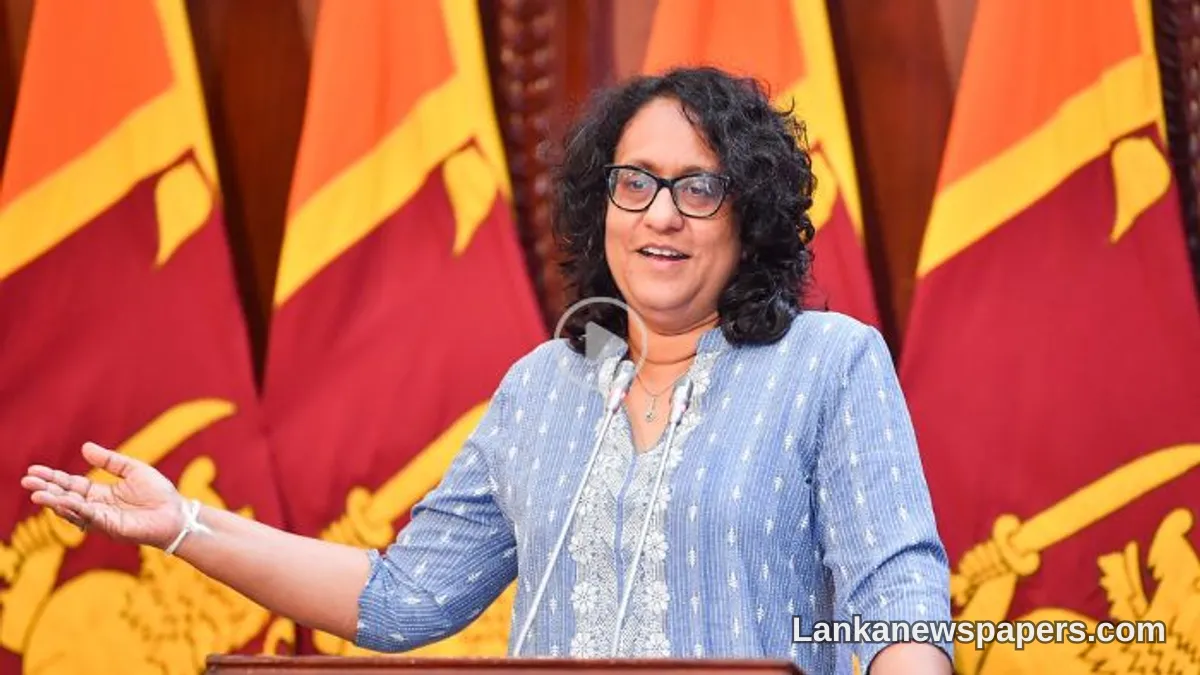
Prime Minister Addresses Growing Concerns Over Tuition Class Burden on Sri Lankan Students
Prime Minister has spoken out on the widespread culture of private tuition classes in Sri Lanka, indicating a readiness to revisit the system if it is being found to place undue pressure on students.
Making the remarks in a public address, the Prime Minister was clear that attending tuition classes is not a government-mandated requirement, and that students are under no official obligation to do so.
"We are not telling students to attend tuition classes. If they are causing pressure, let's change that."
The statement has drawn significant attention given how deeply embedded the private tuition industry has become in Sri Lanka's education landscape. For decades, supplementary tuition has been seen by many families as an essential component of academic success, particularly in the lead-up to Ordinary Level and Advanced Level examinations.
A Culture Under Scrutiny
Critics of the current system have long argued that the heavy reliance on tuition classes places enormous financial and psychological strain on both students and their families. Long hours spent attending multiple tuition sessions after school have been linked to issues including:
- Student burnout and mental health challenges
- Reduced time for physical activity and personal development
- Significant household expenditure on tuition fees
- Increased inequality between students who can afford tuition and those who cannot
The Prime Minister's comments suggest that the government may be open to structural changes within the national education system to reduce the perceived necessity of private tuition, though no specific policy proposals have yet been announced.
Broader Education Reform Expected
Education reform has remained a key talking point among policymakers in Sri Lanka, with calls growing louder from parents, teachers, and civil society groups to modernise the curriculum and ease the examination-driven pressure that pushes students toward tuition dependency in the first place.
Many education experts argue that as long as the national examination system rewards rote learning and places such high stakes on a small number of assessments, demand for private tuition will remain strong regardless of government messaging.
The Prime Minister's remarks are likely to spark fresh debate on how Sri Lanka can meaningfully reform its education sector to serve the well-being of its students alongside their academic achievement.

💬 Join the Discussion 0
Be the first to share your view on this story.