Sri Lanka's Anti-Terror Law Draws Sharp Criticism Over Broad Powers That Could Silence Public Dissent
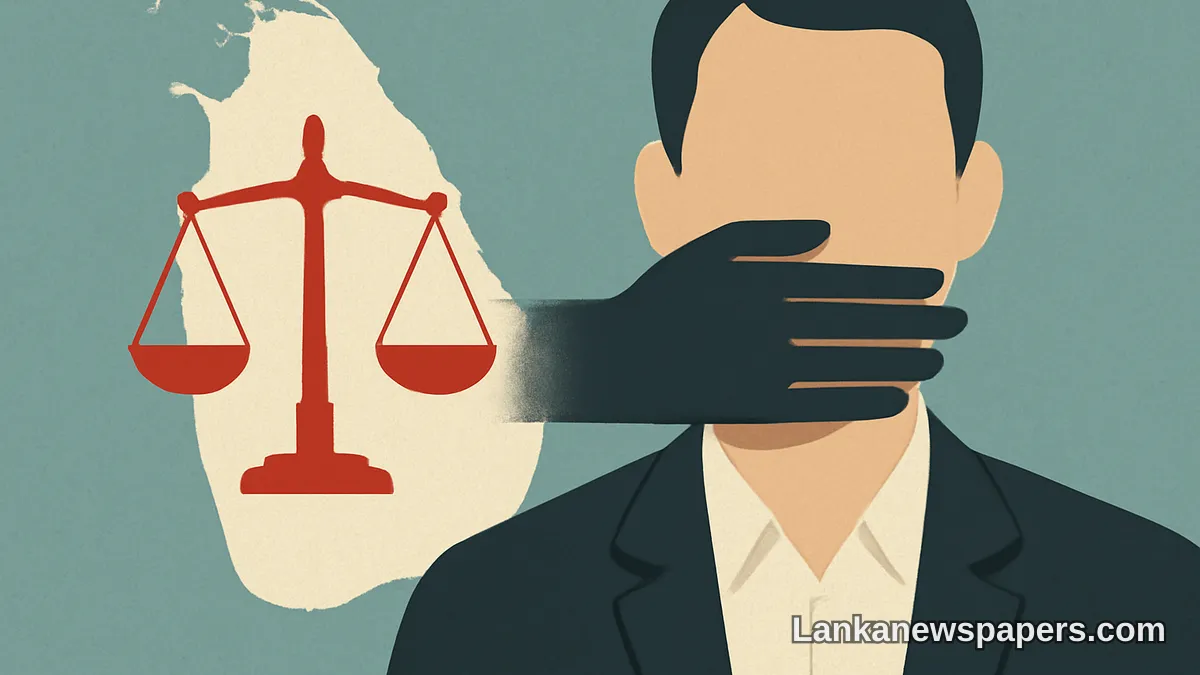
Sri Lanka's newly enacted anti-terrorism legislation has come under intense scrutiny from civil society groups, legal experts, and human rights advocates, who warn that the law grants the state sweeping powers that could be weaponised to suppress legitimate political opposition and social protest.
A Law With Far-Reaching Implications
Critics argue that the new legislation, which replaces the long-controversial Prevention of Terrorism Act (PTA), contains provisions broad enough to criminalise dissent, curtail press freedom, and target activists, trade unionists, and ordinary citizens who dare to challenge government authority.
The law, framed by authorities as a necessary tool to combat modern security threats, has been condemned by opponents as a vehicle for political repression dressed in the language of national security.
Concerns Over Definition of "Terrorism"
One of the central points of contention is the legislation's expansive definition of terrorism-related offences. Legal analysts caution that vague and broadly worded clauses could allow authorities to classify strikes, demonstrations, and online criticism as activities falling within the scope of the law.
- Provisions granting extended detention powers without sufficient judicial oversight
- Broad definitions that could encompass non-violent political activity
- Powers enabling authorities to monitor and restrict communications
- Limitations on the right to legal representation during early detention periods
A Pattern of State Overreach?
Sri Lanka has a troubled history with anti-terror legislation. The PTA, introduced during the civil war era, was routinely used against journalists, Tamil community members, and political dissidents long after the conflict ended. Critics fear the new law risks perpetuating the same pattern of abuse under a modernised legal framework.
The language of the new law is dangerously elastic. What begins as counter-terrorism can very quickly become counter-dissent in the hands of an administration with little tolerance for public criticism.
The 2022 Aragalaya uprising, during which hundreds of thousands of Sri Lankans took to the streets demanding accountability from their government, demonstrated the depth of public frustration with state governance. Many fear the new legislation could be invoked to prevent similar mass mobilisations in the future.
Government Defends the Legislation
Government officials have pushed back against the criticism, insisting the law includes safeguards to protect civil liberties and that its primary purpose is to address genuine security threats facing the country. Authorities maintain that the legislation aligns with international counter-terrorism standards and that fears of misuse are exaggerated.
International Community Watching Closely
Human rights organisations and foreign governments have urged Colombo to ensure that any anti-terrorism framework adheres strictly to international human rights obligations. Sri Lanka, which is currently navigating a fragile economic recovery under an IMF programme, faces added pressure to demonstrate democratic credibility to international partners and investors.
As debate over the law intensifies, civil society organisations have vowed to continue challenging its most contentious provisions, both in the courts and in the public arena, insisting that national security must never come at the cost of fundamental freedoms.


💬 Join the Discussion 1
See what readers are saying — and add your view.
this is exactly how they will silence anyone who protests again like in 2022