Outdated Procurement Rules Blamed for 18-Month Setback in Sri Lanka's Tourism Promotion Drive
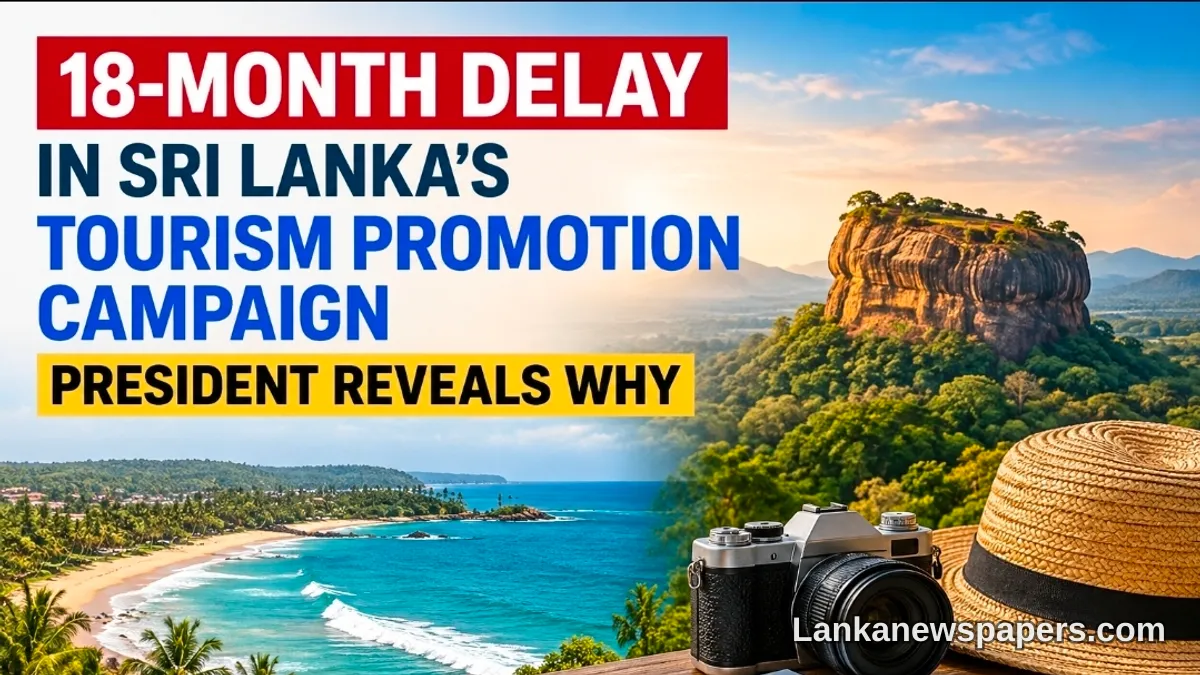
Sri Lanka's efforts to market itself as a premier international tourist destination have been significantly hampered by bureaucratic inefficiencies, with the country's tourism promotion campaign stalling for nearly a year and a half due to outdated government procurement procedures, President Anura Kumara Dissanayake has revealed.
A Costly Administrative Bottleneck
The President's disclosure has drawn fresh attention to the structural inefficiencies embedded within Sri Lanka's public sector, which critics have long argued are ill-suited to the fast-moving demands of modern industries such as tourism. The 18-month delay has meant that Sri Lanka has effectively been absent from competitive international marketing channels at a time when rival destinations have been aggressively courting global travellers.
Tourism remains one of Sri Lanka's most vital sources of foreign exchange earnings, and any prolonged gap in promotional activity carries serious economic consequences for the island nation, which is still navigating its path to recovery following the devastating financial crisis of recent years.
Procurement Rules Out of Step with Industry Needs
According to the President, the root cause of the delay lies in procurement regulations that were not designed with the unique demands of tourism marketing in mind. International promotional campaigns typically require swift decision-making, creative flexibility, and the ability to engage global advertising agencies and media platforms on competitive timelines — conditions difficult to meet under rigid government tender processes.
The mismatch between bureaucratic procedure and industry reality has effectively frozen the campaign in its tracks, leaving Sri Lanka Tourism without the mandate or mechanism to move forward in a timely fashion.
The delay in our tourism promotion campaign is not due to a lack of vision or resources, but due to procurement procedures that have not kept pace with the needs of a dynamic industry.
Tourism Sector Feeling the Pressure
Stakeholders within Sri Lanka's tourism industry have expressed growing frustration over the prolonged inaction. Hotel operators, travel agents, and hospitality workers have all felt the ripple effects of reduced international visibility, particularly as competitors in the region including the Maldives, Thailand, and Vietnam continue to invest heavily in destination marketing campaigns.
- Sri Lanka's tourism sector is a major contributor to the national economy and foreign reserves.
- The country has been working to rebuild visitor numbers following the 2019 Easter Sunday attacks and the subsequent COVID-19 pandemic.
- An 18-month promotional blackout is considered a significant setback in a highly competitive global tourism market.
Reform on the Horizon
The President's acknowledgement of the issue is being interpreted by many observers as a signal that the government intends to reform the relevant procurement frameworks to better accommodate the operational realities of industries like tourism. However, concrete legislative or regulatory changes are yet to be announced.
For a country that has invested considerable hope in tourism as a pillar of its economic resurgence, the urgency of resolving these administrative hurdles could not be greater. Industry leaders are now calling on the government to act swiftly and introduce streamlined procurement pathways that allow Sri Lanka Tourism to compete effectively on the world stage without being held back by red tape.

💬 Join the Discussion 0
Be the first to share your view on this story.