Sri Lanka Eyes New IMF Programme After Current Deal Ends, Says President Dissanayake
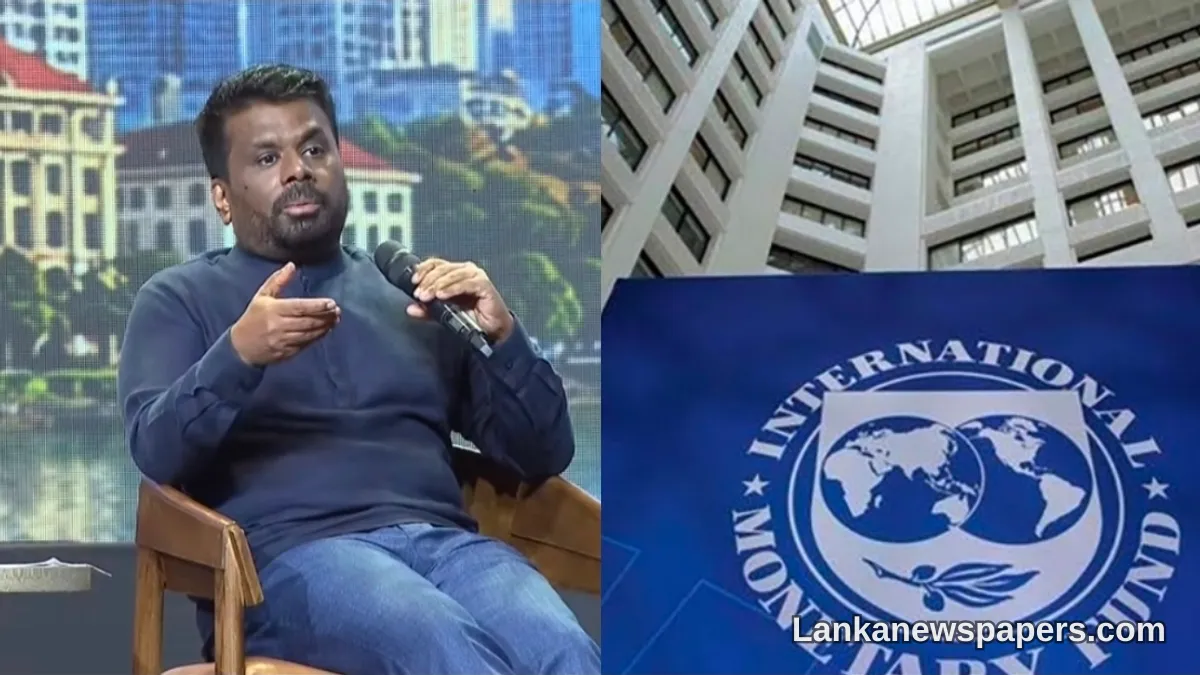
President Anura Kumara Dissanayake has confirmed that Sri Lanka has not closed the door on entering a fresh agreement with the International Monetary Fund (IMF) once the country's current programme concludes, signalling a cautious but pragmatic approach to the island nation's ongoing economic recovery.
Another IMF Deal on the Table
Speaking publicly on the matter, President Dissanayake indicated that the government is actively weighing its options for the period following the completion of the existing IMF arrangement. Rather than committing to a clean break from the multilateral lender, the President acknowledged that a follow-up programme remains a possibility depending on the country's economic circumstances at that time.
The revelation marks a significant policy signal from the administration, suggesting that Colombo is prepared to maintain its relationship with the IMF beyond the current bailout framework if economic conditions demand continued external support.
Context: Sri Lanka's IMF Journey
Sri Lanka entered its current IMF Extended Fund Facility programme in 2023 following the country's worst economic crisis in decades, which saw foreign exchange reserves collapse, fuel and medicine shortages grip the nation, and mass public protests ultimately topple the previous government.
The programme has been instrumental in stabilising the economy, restoring investor confidence, and guiding the country through a complex sovereign debt restructuring process. Several tranches of IMF funding have since been disbursed following satisfactory reviews of Sri Lanka's reform progress.
Balancing Sovereignty and Stability
The President's remarks are likely to spark debate domestically, as IMF programmes have historically been a sensitive political issue in Sri Lanka. Critics have long argued that the conditionalities attached to such agreements — including fiscal consolidation measures, tax reforms, and state enterprise restructuring — place an undue burden on ordinary citizens.
However, supporters of continued engagement with the IMF argue that the credibility and fiscal discipline the programme enforces are essential to sustaining the economic gains made since the crisis peak and to unlocking further international financing.
President Dissanayake signalled that the decision on whether to pursue a new IMF programme would ultimately be guided by Sri Lanka's economic needs rather than political considerations.
What Comes Next
With the current IMF programme expected to run its course in the coming period, policymakers and economists will be closely watching government indicators — including debt levels, revenue performance, and balance of payments data — to assess whether a successor arrangement would be necessary or beneficial.
For Sri Lankan households still navigating the aftermath of the economic crisis through elevated prices and reduced public services, the direction the government chooses will have tangible consequences for daily life in the months and years ahead.

💬 Join the Discussion 0
Be the first to share your view on this story.