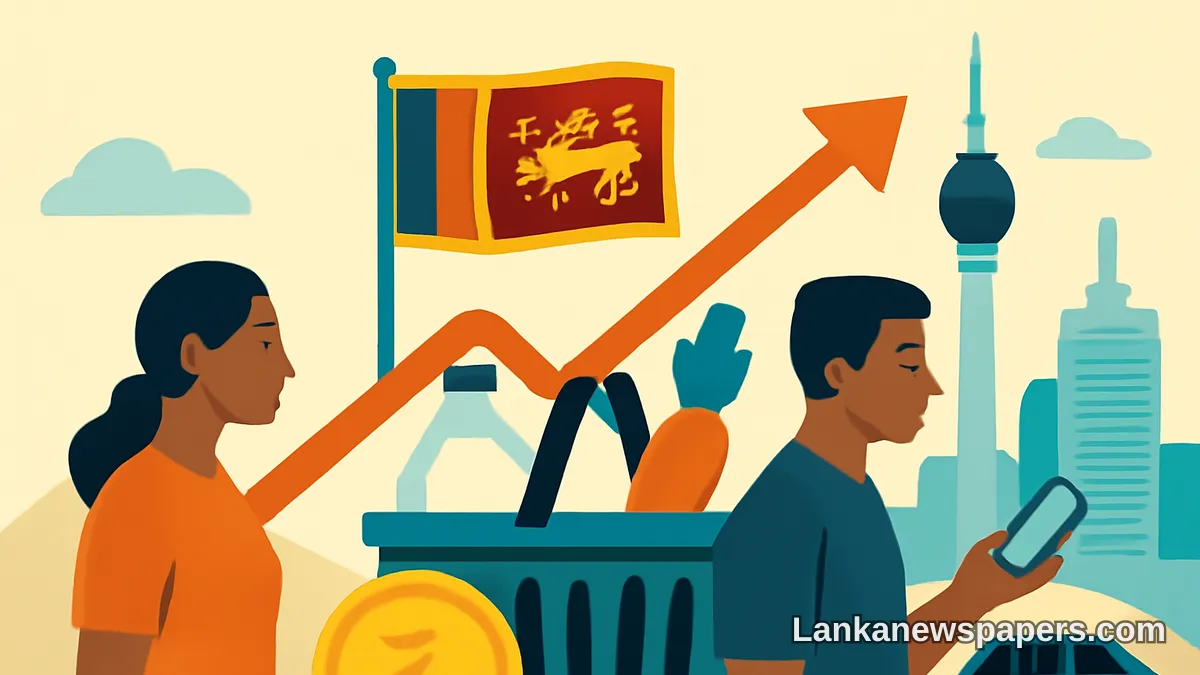
A decade is a long time in any economy, but for Sri Lanka, the years between 2016 and 2026 have been nothing short of transformative. From political upheaval and a devastating economic crisis to a gradual recovery, the cost of everyday life in the island nation has shifted dramatically, touching every household across the country.
The Cost of Living Then and Now
In 2016, Sri Lanka enjoyed a period of relative economic stability. Consumer prices were manageable, the rupee held a reasonable exchange rate, and essential goods — from a loaf of bread to a bus fare — were within reach for the average Sri Lankan family. Fast forward to 2026, and the picture looks markedly different.
The intervening years brought with them a cascade of economic pressures. The Easter Sunday attacks of 2019 dented tourism revenues, the COVID-19 pandemic shuttered businesses and disrupted supply chains, and the catastrophic economic crisis of 2022 sent inflation soaring to historic highs. At its peak, year-on-year inflation crossed 70 percent, making Sri Lanka one of the worst-affected economies in Asia.
Key Areas Where Prices Have Surged
- Food and groceries: Staple items such as rice, dhal, and coconut oil have seen prices multiply several times over compared to 2016 levels, placing enormous strain on low and middle-income families.
- Fuel and transport: Fuel prices, which were heavily subsidised in 2016, were liberalised during the crisis years, resulting in sharp increases that rippled through the cost of public and private transport alike.
- Utilities: Electricity and water tariffs have been revised upward multiple times as the government sought to reduce fiscal deficits and meet IMF programme conditions.
- Healthcare and medicine: The rupee's depreciation made imported medicines significantly more expensive, with some pharmaceuticals becoming temporarily unavailable during the height of the crisis.
- Education: Private tuition fees and school-related expenses have risen considerably, adding to the burden on families already stretched by rising living costs.
A Currency Under Pressure
Perhaps the single most telling indicator of the decade's economic turbulence is the performance of the Sri Lankan rupee. In 2016, the exchange rate hovered around Rs. 145 to the US dollar. By 2026, despite some stabilisation following the IMF-backed recovery programme, the rupee trades at a fraction of its former value, fundamentally reshaping the purchasing power of ordinary Sri Lankans.
Signs of Recovery, but Scars Remain
Since entering an IMF Extended Fund Facility arrangement in 2023, Sri Lanka has made measurable progress. Inflation has been brought down to single digits, foreign reserves have been rebuilt, and economic growth has resumed. However, economists and civil society groups caution that the recovery has not been felt equally across all segments of society.
While macroeconomic indicators have improved, the lived experience of many Sri Lankan families remains one of tightened budgets and difficult choices.
Wage growth in many sectors has failed to keep pace with cumulative price increases over the decade, meaning that in real terms, many workers are worse off today than they were ten years ago.
Looking Ahead
As Sri Lanka navigates its path toward debt restructuring completion and sustained economic growth, the comparison between 2016 and 2026 serves as a powerful reminder of how quickly fortunes can change. Policymakers, businesses, and citizens alike are hoping that the hard lessons of the past decade will translate into more resilient and equitable economic management in the years to come.
For now, the price tag on everyday life in Sri Lanka tells a story of resilience tested, survival achieved, and a nation still working its way back to prosperity.


💬 Join the Discussion 4
See what readers are saying — and add your view.
my kade bill in 2016 was maybe 3000. now same items cost 9000 easily
goverment will show nice numbers but ask the normal ppl on the street
2016 we were struggling, now we are surviving. big difference no?
surviving also difficult men, prices tripled but salary same